Measures to Eradicate Invasive Mosquitoes
Protecting Hawaii's Native Species
Scientists have embarked on an unprecedented ecological strategy to protect Hawaii's native bird species from infectious diseases.
According to recent reports from international media outlets such as Vox.com, researchers are using giant drones to disperse capsules containing special mosquitoes over the dense forests of Maui Island, Hawaii, from the air.
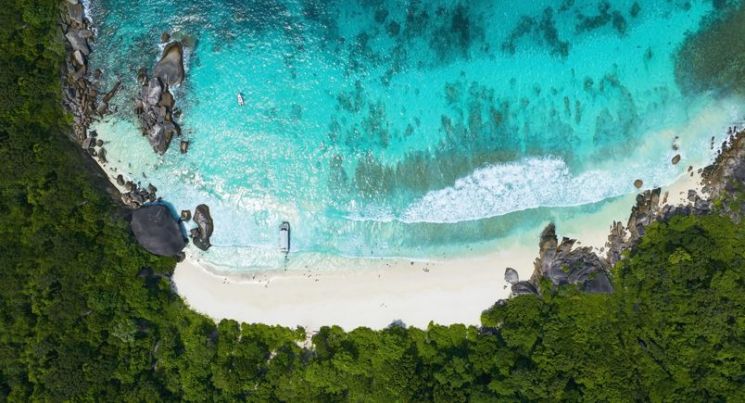 Scientists have embarked on an unprecedented ecological strategy to protect Hawaii's native bird species from infectious diseases. Photo by Getty Images
This project is led by a conservation organization named "Birds, Not Mosquitoes." The group is focusing on releasing male mosquitoes infected with a specific bacterium, aiming to reduce the population of invasive mosquitoes in Hawaii.
Hawaii's native birds are particularly vulnerable to avian malaria, which spread rapidly after mosquitoes were introduced from outside the islands in the early 19th century. More than 25 species of honeycreeper, birds found only in Hawaii, have already gone extinct, and the 17 species that still survive are known to inhabit only cooler environments such as high-altitude areas, where they are less affected by mosquitoes.
However, due to climate change, average temperatures in lower-elevation areas are rising, expanding the potential habitat range for mosquitoes. As a result, there is now a greater likelihood that mosquitoes will invade even high-altitude regions.
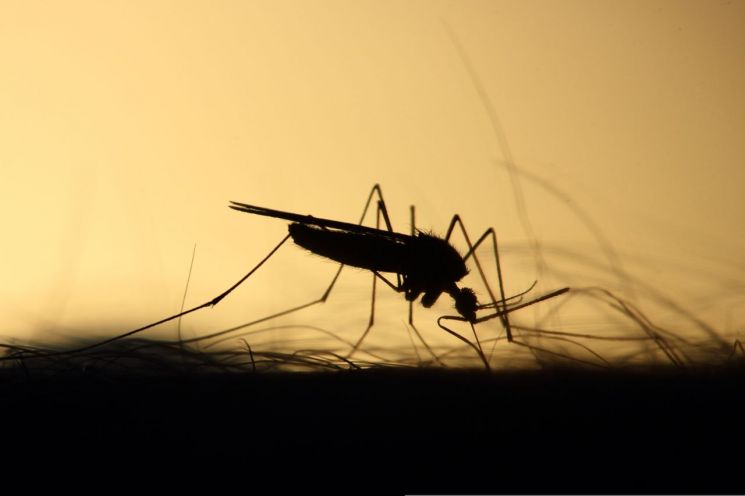 Over 40 million male mosquitoes have been released so far in some areas including Maui and Kauai. Pixabay
The strategy scientists are using involves a bacterium called Wolbachia. Male mosquitoes infected with this bacterium are unable to produce viable offspring when mating with females, which, over time, is expected to naturally reduce the mosquito population. These male mosquitoes do not bite humans, so there is no risk of spreading infectious diseases.
Since the end of last year, the project has released over 40 million male mosquitoes in some areas, including Maui and Kauai. More recently, the use of large drones has expanded the release range to even broader and more inaccessible regions.
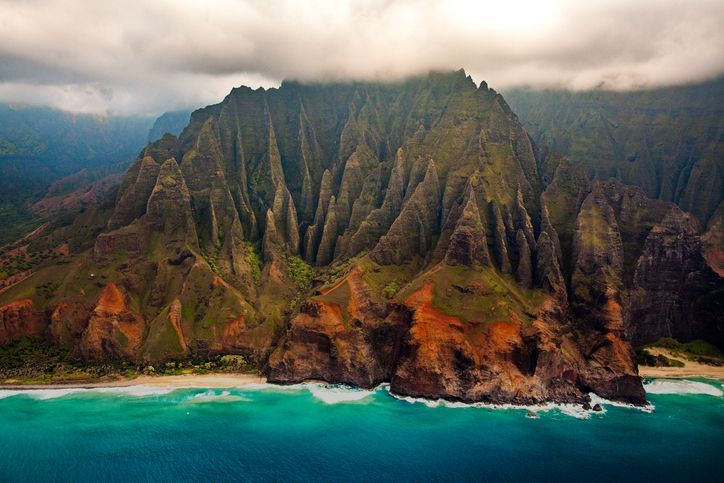 A giant drone is dispersing capsules containing special mosquitoes over the dense forests of Maui Island, Hawaii, from the air. Photo by Getty Images
However, experts agree that more time is needed to confirm the actual ecological impact. This strategy is still in its early stages, and further observation is required to determine how effectively it can suppress mosquito populations and the transmission of infectious diseases in the long term.
© The Asia Business Daily(www.asiae.co.kr). All rights reserved.



















