Trump Earned 61.1 Billion KRW from Brand Revenue Last Year
Multiple cases have been identified in which foreign companies paid substantial fees to use President Donald Trump's name as a brand. Some of these companies have also engaged in lobbying activities related to various policies, including tariffs, targeting the United States. As a result, there are growing criticisms that the Trump family's business activities present significant potential for conflicts of interest.
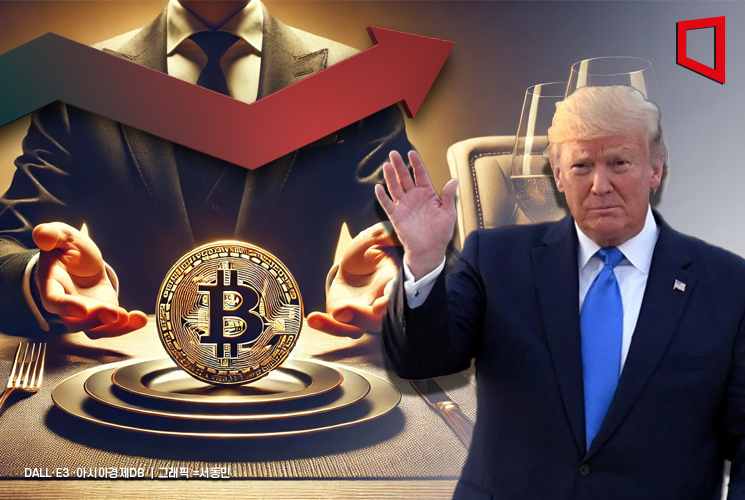
On June 17 (local time), the Wall Street Journal (WSJ) reported that, according to President Trump's recently released asset disclosure for the previous year, revenue from Trump brand sales reached $44.6 million (approximately 6.11 billion KRW).
Dar Al Arkan, a real estate development company in Saudi Arabia, reportedly paid $22 million (approximately 3.01 billion KRW) for the right to use the Trump brand in ongoing development projects in Saudi Arabia, Oman, and Dubai. Damac, a development company based in Dubai, also paid $5.2 million (approximately 710 million KRW) as a Trump brand usage fee.
Additionally, a Vietnamese development company paid $5 million (approximately 680 million KRW), while Reliance Industries, owned by Indian billionaire Mukesh Ambani, paid $10 million (approximately 1.37 billion KRW) as Trump brand licensing fees, respectively.
Although specific details of the Trump brand usage contracts have not been disclosed, President Trump has previously received fees and a portion of sales revenue in exchange for allowing developers to use his name on hotels and other properties.
Some observers have raised concerns that these business activities by the Trump family present potential conflicts of interest. They warn that real estate development projects are inherently tied to government approval processes, making them susceptible to entanglement with foreign political interests.
In fact, Reliance Industries, which recently entered into a Trump brand usage agreement, is known to lobby the United States on various policy issues, including tariffs and oil. The company's owner, Ambani, attended President Trump's inauguration ceremony held in Washington, DC in January of this year, following the Trump brand licensing deal.
In the case of Vietnam, it has been reported that, while approval for the Trump brand project was underway, the Vietnamese government was actively lobbying the United States to secure reductions in high tariffs.
The opposition Democratic Party and government ethics watchdog groups have criticized the transactions between foreign companies and President Trump. However, there has been little criticism from the Republican Party.
Previously, during his first term, President Trump pledged to halt new real estate deals with foreign entities. However, Donald Trump Jr., the president's eldest son who leads the family business 'Trump Organization,' recently stated at a conference in Qatar that "even with self-imposed restrictions, criticism continued, so this time we will not hold back on business." He clarified that while the group would avoid direct transactions with foreign governments, it would not intentionally suspend Trump Group's business operations.
Regarding the revenue from foreign companies, the White House asserted, "President Trump is securing good deals for the American people."
Meanwhile, according to a financial disclosure report released by the U.S. Office of Government Ethics (OGE), President Trump earned as much as $600 million (approximately 820 billion KRW) in income last year alone. He reported income from cryptocurrency, golf clubs, licensing businesses, real estate, and other ventures.
© The Asia Business Daily(www.asiae.co.kr). All rights reserved.

















