Historic Imbalance in the U.S. Housing Market After the Pandemic
Over 500,000 More Homes for Sale; In Miami, Sellers Outnumber Buyers by Three Times
Home Price Reductions Expected to Continue for Several Months
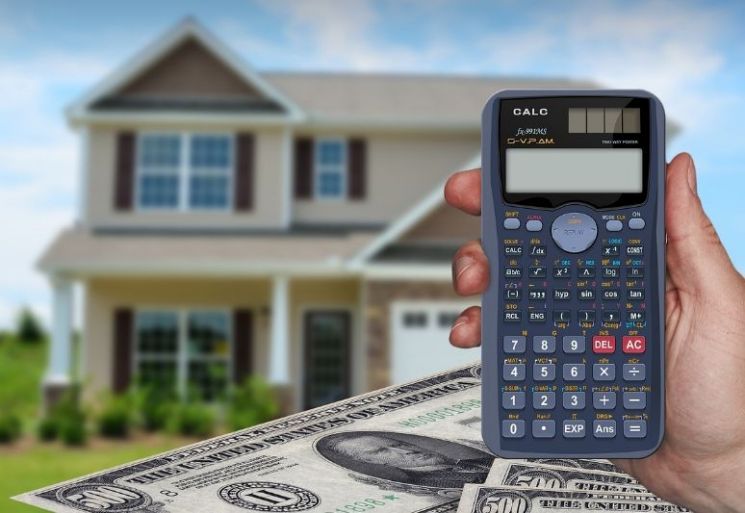
Some segments of the U.S. housing market, which overheated during the COVID-19 pandemic, are now facing difficulties due to an oversupply of properties and a shortage of buyers.
The New York Post reported on June 17 (local time), citing data from real estate brokerage Redfin, that "in April, there were about 500,000 more homes listed than there were buyers," noting that this is "the largest gap since 2013."
According to the report, U.S. home prices are still rising, but the pace of growth is slowing. Home sales have stagnated, particularly in the Southwest and South, reaching levels more severe than before the pandemic. In contrast, some areas in the Northeast and Midwest remain highly competitive.
For example, April statistics for Miami show that there are three times more sellers than buyers. A real estate expert told the New York Post that "asking prices are being lowered further to attract cautious buyers," and predicted that price reductions are likely to continue in the coming months.
The New York Post also reported that "in many areas such as Atlanta, Austin, Phoenix, and Tampa, the number of homes for sale continues to rise due to higher mortgage rates and economic uncertainty." Home prices in the U.S. have surged more than 50% nationwide over the past five years. Mortgage rates remain high, at over 6.5%. Nevertheless, the gap between housing supply and demand continues to widen. This is analyzed to be because homeowners are listing their properties out of necessity rather than opportunity. Some are moving away to find jobs, while others are leaving their regions in anticipation of changes in home prices.
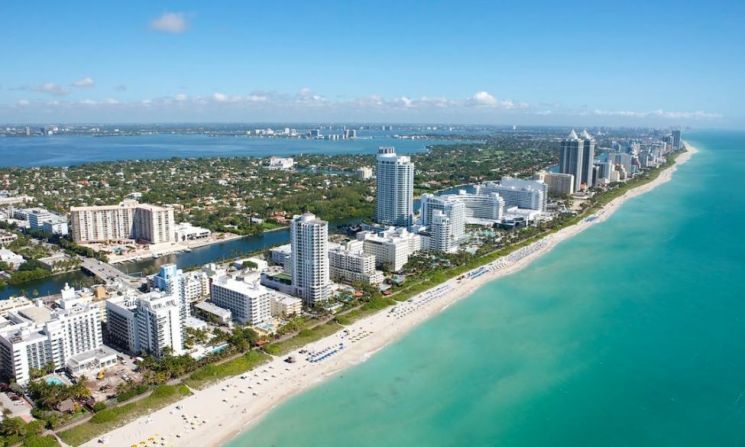 A panoramic view of Miami, USA, where there are three times more people selling real estate than buying. Pexels
According to Intercontinental Exchange (ICE), a real estate transaction operator, U.S. home prices in May rose 1.4% year-on-year. This is a decrease from the previous month's annual growth rate of 2%. Of the top 100 metropolitan areas, 24 saw home prices decline in May compared to the same period last year, with most of these areas concentrated in the Sunbelt, where property values soared and bidding wars broke out during the pandemic.
Chen Zhao, head of economic research at Redfin, pointed out, "U.S. home prices are still so high right now that a recovery in buyer demand does not seem likely." Much of this economic slowdown is attributed to the uneven recovery in housing supply following the 2006-2009 financial crisis and the lock-in effect of low mortgage rates during the pandemic.
Since the pandemic, new home construction has become more active, and homeowners who had postponed selling are now starting to list their properties, which is easing this trend. A real estate expert explained, "Some people can no longer wait and are putting their homes on the market," adding, "For many, it has become difficult to delay the decision any longer due to various reasons such as job relocation or childbirth."
© The Asia Business Daily(www.asiae.co.kr). All rights reserved.


















