45.6% of Men, 27.8% of Women
Rising Obesity Rates Among People in Their 20s and 30s
Recently, the Turkish government declared obesity a national health crisis and launched a large-scale campaign to address it by conducting random BMI (Body Mass Index) measurements in public places for 10 million citizens. This initiative has drawn significant attention.
Individuals with a BMI of 25 or higher are classified as overweight and are referred to nearby health centers for nutritional counseling and health monitoring.
According to the World Health Organization (WHO), Turkey's adult obesity rate stood at 32% in 2023, the highest among European countries. This campaign is a notable example of recognizing obesity not just as an individual responsibility, but as a public health issue that society must address collectively.
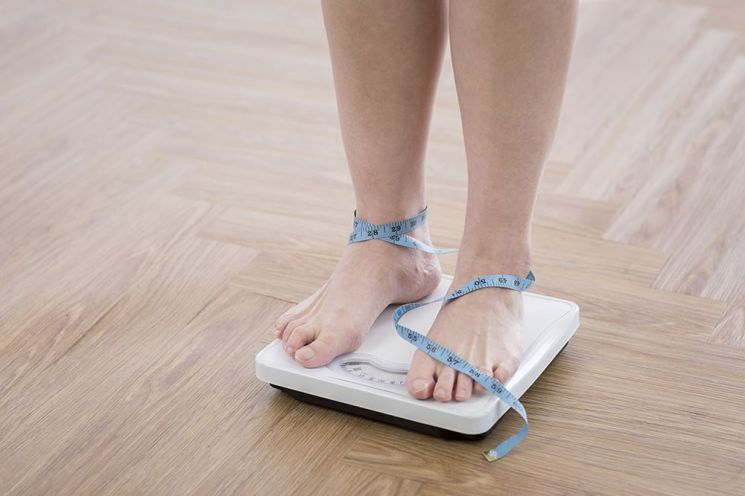
Obesity is a rapidly increasing global health problem and a complex social issue, as it is a major cause of chronic diseases such as cardiovascular disease, hypertension, and diabetes, and leads to increased national healthcare costs and loss of workforce. The World Health Organization has classified obesity as one of the most significant chronic diseases of the 21st century, emphasizing that active societal efforts, in addition to individual efforts, are necessary for prevention and management.
The Republic of Korea is no exception. According to the Korea Disease Control and Prevention Agency's 2023 National Health and Nutrition Examination Survey, the overall obesity prevalence rate in Korea was 37.2%, with 45.6% for men and 27.8% for women. Notably, the obesity rate among people in their 20s and 30s has shown a continuous upward trend, highlighting the growing importance of prevention and management.
Obesity is a condition in which excessive fat accumulates in the body and can negatively affect health. It is generally determined based on the Body Mass Index (BMI), which is calculated by dividing weight by the square of height. In Korea, a BMI of 23 or higher is classified as overweight, and 25 or higher as obese.
Modern society, with its busy lifestyles and convenient food culture, has seen an increase in the consumption of high-calorie, low-nutrient foods. Additionally, lack of exercise, stress, and irregular sleep habits are contributing to a higher risk of obesity.
Furthermore, social factors such as decreased physical activity due to urbanization, long working hours, and imitative eating behaviors influenced by media are also having a significant impact on the rising obesity rate. Ultimately, obesity should be understood as a phenomenon resulting from the complex interplay of structural and environmental changes across society, not merely an individual issue.
Obesity is not simply a matter of increased body weight; it is a serious health problem that raises the risk of various diseases, including heart disease, hypertension, diabetes, stroke, hyperlipidemia, and certain cancers. It also puts strain on the joints, leading to knee or back pain, and can progress to musculoskeletal disorders such as arthritis over time. In addition, obesity can cause respiratory disorders such as sleep apnea, which may result in chronic fatigue and decreased concentration, ultimately reducing quality of life.
Kim Yunmi, Director of the Comprehensive Health Checkup Center at Daedong Hospital and a specialist in family medicine, emphasized, "Obesity is a complex disease that causes chronic inflammation and metabolic abnormalities throughout the body, increasing the risk of various illnesses. Because it has a broad impact on individual health and daily life, consistent management is essential. If self-management is difficult, it is advisable to seek help from healthcare professionals."
Prevention is the most effective treatment for obesity. Even small, consistent lifestyle changes can yield long-term health benefits. It is important to reduce the intake of saturated fats, sugars, and processed foods, and to adopt a balanced diet that includes vegetables, whole grains, and proteins. Additionally, engaging in regular physical activity that suits the individual, for at least 30 minutes three times a week, helps maintain a healthy weight.
Lack of sleep can affect appetite-regulating hormones and lead to overeating, so it is important to get sufficient sleep. Stress can also result in unhealthy eating habits such as binge eating or late-night snacking, making stress management crucial.
If weight control is difficult or if there are underlying conditions such as high blood pressure or high blood sugar, it is effective to visit a medical institution for nutritional counseling, behavioral therapy, and exercise prescriptions from healthcare professionals. Above all, understanding one’s own health status is essential, so regular health checkups?including BMI measurements?are recommended to monitor your overall health.
© The Asia Business Daily(www.asiae.co.kr). All rights reserved.

















