Competition Rate for Non-Bunsangje Complexes at 4 to 1
North Chungcheong Bunsangje Complexes Reach 109.7 to 1
This year, apartment complexes subject to the pre-sale price cap system (Bunsangje) recorded subscription competition rates six times higher than those not subject to the system. This trend is attributed to the increased scarcity of new apartments due to reduced supply, which has led to heightened demand for Bunsangje complexes that are priced lower than the prevailing market rates.
According to Zigbang on June 18, among the 72 apartment complexes that opened for subscription this year, the 22 complexes subject to Bunsangje posted an average competition rate of 26.2 to 1. In contrast, the 50 complexes not subject to Bunsangje recorded an average competition rate of only 4.0 to 1, showing a gap of about six times.
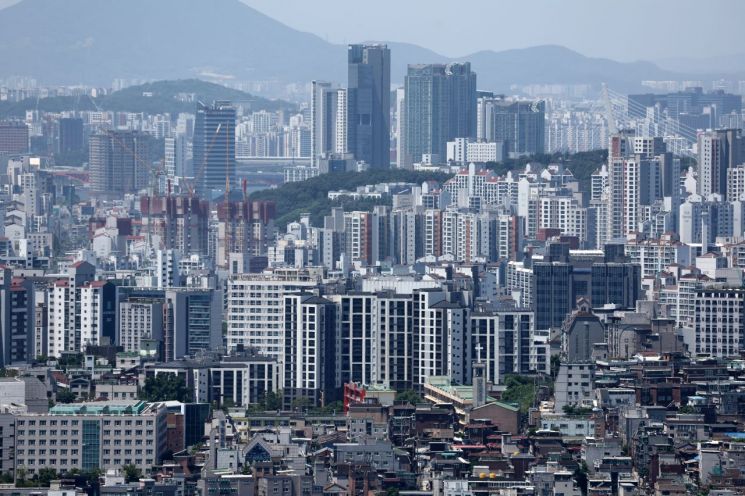
By region, Bunsangje-applied complexes were supplied in Seoul, North Chungcheong, Ulsan, Gyeonggi, Sejong, and Busan. In Seoul, Raemian One Perla and Godeok Gangil Daeseong Berhill opened for subscription, achieving an average first-priority competition rate of 122.5 to 1, the highest nationwide. Raemian One Perla, a reconstruction project in Bangbae 6 District, was evaluated as being priced more than 30% lower than nearby market prices at the time of subscription, but the premium expectations due to its Gangnam location further fueled strong interest from buyers, resulting in a competition rate of 151.6 to 1. Godeok Gangil Daeseong Berhill, the last private-sector complex in the Gangil housing district, was subject to a mandatory five-year residency requirement, yet still recorded a high competition rate of 97.4 to 1, demonstrating its popularity.
By region, North Chungcheong posted a high competition rate of 109.7 to 1. Cheongju Technopolis Athera 2nd, the last complex to be supplied in Cheongju Technopolis, recorded strong demand. Ulsan followed with 44.4 to 1, Gyeonggi with 23.7 to 1, Sejong with 12 to 1, and Busan with 0.3 to 1.
The Bunsangje is a system that limits the pre-sale price of housing supplied in designated areas, such as public housing sites, to below the government-determined calculation standard. When Bunsangje is applied, the pre-sale price is often set lower than the surrounding market price, allowing buyers to expect a profit after moving in. In some cases, the price gap has reached several hundred million won, leading to the term "lottery subscription" being used to describe these opportunities.
However, some complexes subject to Bunsangje still recorded low competition rates. In areas such as Bucheon and Yangju, some complexes saw competition rates below 1 to 1. This suggests that, even if price competitiveness is secured through Bunsangje, factors such as location, regional demand, and living infrastructure all have a complex impact on subscription results.
Nevertheless, Zigbang forecast that the recent revision of the subscription system, which now restricts non-priority subscription eligibility to non-homeowners, will likely cool some of the overheating in the subscription market.
A Zigbang official stated, "While the revision of the subscription system may raise the entry barrier to the market in the short term, in the mid- to long-term, it is expected to curb speculative demand and foster a market environment focused on real demand. Going forward, the trend of subscription demand becoming more selective according to regulatory impact and price conditions will become more pronounced, and complexes that strike a balance between location, product quality, and pre-sale price are likely to continue attracting strong interest from real buyers."
© The Asia Business Daily(www.asiae.co.kr). All rights reserved.

















