Court Sentences Man in His 40s to Two Years' Probation
for Occupational Negligence Resulting in Death
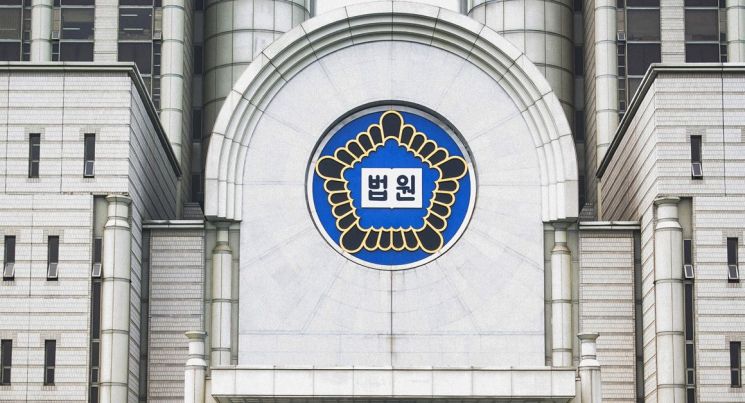
A doctor who failed to provide appropriate treatment to a patient with an acute diabetic complication, resulting in the patient's death, has been given a suspended prison sentence in the first trial.
According to Yonhap News on June 17, the Ulsan District Court Criminal Division 4 (Presiding Judge Lim Jungyun) sentenced Dr. A, who was charged with occupational negligence resulting in death, to eight months in prison, suspended for two years.
Dr. A, an internal medicine specialist at a hospital in South Gyeongsang Province, examined patient B in February 2021 after B presented with symptoms such as vomiting and shortness of breath, and diagnosed B with 'diabetic ketoacidosis' (an acute complication of diabetes).
At that time, B's venous blood pH level was 7.14, and blood glucose was 314 mg/dL. In such cases, the attending physician is required to monitor the patient's vital signs, including body temperature, respiration, and blood pressure, while administering insulin and intravenous fluids appropriately.
Dr. A prescribed 20 ampoules of sodium bicarbonate to be administered to B over 2 hours and 20 minutes, but did not conduct follow-up electrolyte tests.
Typically, in such cases, the physician should monitor the patient's vital signs, including body temperature, respiration, and blood pressure, while administering insulin and other necessary treatments as appropriate.
In particular, it is generally not recommended to administer sodium bicarbonate to patients whose pH level is 7.0 or higher. If it is administered as an exception, the physician has a duty of care to frequently check blood glucose and electrolyte levels to prevent hypoglycemia or hypokalemia.
For patients with moderate diabetic ketoacidosis like B, it is recommended to continuously administer insulin intravenously. However, Dr. A instructed that insulin be administered via subcutaneous injection and then left work.
Afterward, despite B receiving several insulin injections, B's blood glucose levels continued to rise, but Dr. A did not take any additional measures.
For patients with diabetic ketoacidosis, it is important to replenish lost fluids with intravenous fluids, but B did not receive a sufficient amount of fluids. B complained of vomiting, thirst, and nausea throughout the night and ultimately died about an hour after being transferred to another hospital the following morning.
During the trial, Dr. A argued that the prescription was appropriate considering it was B's first time receiving an insulin prescription. Dr. A also claimed there was no negligence, stating that instructions were given to nurses to continuously monitor B's vital signs after leaving work.
However, the court rejected Dr. A's claims, stating that as the attending physician, Dr. A should have taken more proactive and necessary measures if the patient's condition was worsening, even after leaving work.
The court explained the sentencing by stating, "Although the defendant took several measures to treat the patient, it is difficult to recognize that the defendant fulfilled the duty of care generally required of medical professionals according to clinical standards. The fact that a serious result occurred?the death of the victim?and that the defendant has not been forgiven by the victim's family were also considered in sentencing."
© The Asia Business Daily(www.asiae.co.kr). All rights reserved.
![Clutching a Stolen Dior Bag, Saying "I Hate Being Poor but Real"... The Grotesque Con of a "Human Knockoff" [Slate]](https://cwcontent.asiae.co.kr/asiaresize/183/2026021902243444107_1771435474.jpg)
















