Heavy Sentences Sought for DPP Officials Involved in 22-Year Espionage in Taiwan
Hong Kong Bans Taiwanese Game for Alleged National Security Law Violations
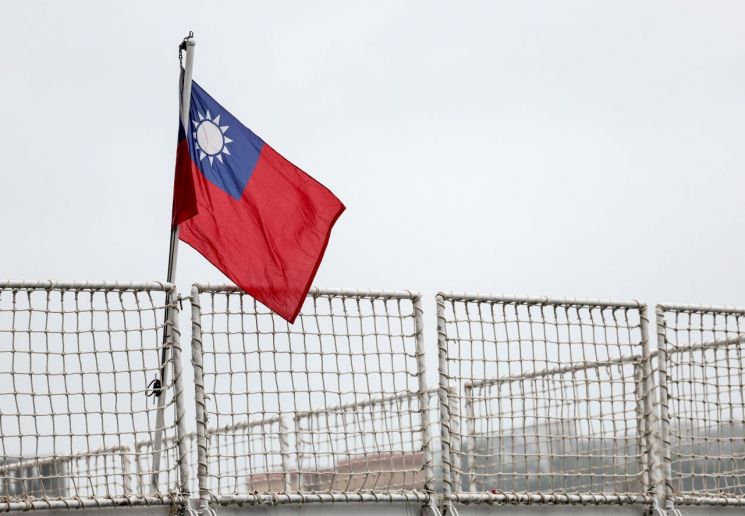
Cross-strait relations between China and Taiwan are deteriorating. In Taiwan, anxiety over visiting China has grown after members of the ruling Democratic Progressive Party (DPP) were caught engaging in espionage for China. Meanwhile, Hong Kong has banned a Taiwanese game that depicted the Communist Party negatively, citing violations of the National Security Law.
On June 11, Taiwanese media outlets such as Liberty Times and United Daily News reported that prosecutors in Taiwan have sought heavy sentences for members and officials of the ruling DPP, who are known for their pro-US and pro-independence stance, after they were found to have worked as Chinese spies for over 20 years.
The Taipei District Prosecutors Office has requested sentences ranging from 30 years and 6 months to 5 years for four individuals, including Hwang, a former aide to a DPP New Taipei City councilor, on charges of violating the National Security Act and the Classified National Security Information Protection Act. Hwang, who led the espionage activities, was indicted the previous day on suspicion of being recruited by an intelligence agent from the Central Military Commission of China during a business trip to China in 2003, when Chen Shui-bian was president, and subsequently engaging in espionage.
They are accused of running a spy network and leaking information such as transcripts of conversations with envoys from allied countries and foreign delegations, details about the "Taiwan-US 21st Century Trade Initiative" mechanism, Taiwan's emergency response measures regarding the severance of diplomatic ties with allied nations, as well as the itinerary of President Lai Ching-te's visit to Paraguay during his vice presidency and his schedule during the presidential election period.
Concerns over espionage activities have grown in Taiwan as similar incidents have repeatedly occurred. In April, President Lai instructed party officials and members to report whenever they visit China or come into contact with Chinese counterparts, after a party member was implicated in a Chinese espionage case.

On the same day, Hong Kong, a Chinese territory, saw its first case of banning a game for violating the National Security Law. According to a report by Bloomberg on June 11, the Hong Kong government imposed a "blocking measure" on the Taiwanese game "Yektongjeon" and announced that Hong Kong citizens could be punished for downloading or sharing the game.
Bloomberg reported that "Yektongjeon," a mobile game released in April, features a storyline in which players join forces with Hong Kong, Taiwan, and Tibet to fight against the communist regime. In the game, the communist regime is depicted negatively as an adversary to be defeated.
Meanwhile, since last month, Hong Kong authorities have reportedly strengthened the activities of the National Security Office. They have also mandated that "national security clauses" be included as contractual conditions for a variety of businesses, including restaurants, swimming pools, and funeral homes.
© The Asia Business Daily(www.asiae.co.kr). All rights reserved.


















