Need for Cost Risk Management in Preparation for Construction Market Recovery
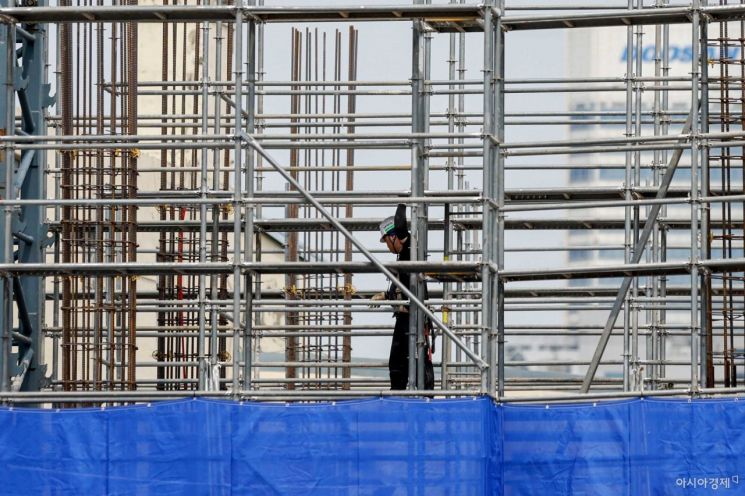
There has been a call to prepare for the possibility of a sharp increase in material prices due to the recovery of the construction market.
The Korea Construction Industry Institute (KCII) stated in its "Analysis Report on Detailed Pattern Changes in Construction Prices" that, following a downturn in the construction market, the speed of construction material price increases tends to expand to an average range of 2 to 6 percent during the recovery phase. This announcement was made on June 9.
According to an analysis of the deflator (price adjustment index) trends by dividing the construction market since 1990 into periods of investment slowdown/recession and recovery/boom, the construction price increase rate was found to be around 2 to 3 percent during recessions. In boom periods, the price increase rate was relatively higher, at 5 to 8 percent.
The average increase rate was calculated at 3.0 percent during slowdowns and recessions, and 6.1 percent during recovery and boom periods.
Items highly sensitive to the construction market include primary steel products such as slabs (wide, flat rectangular shapes) and billets (long rectangular columns), as well as rebar and bar steel, thick steel plates, and other primary metal products. Metal processed products such as screws, steel wire products, and structural metal products were also identified.
KCII analyzed that, as the construction market has been in a slowdown and recession from 2023 through this year, the deflator growth rate has remained low, at around 1 to 2 percent.
However, the institute projected that if the Lee Jaemyung administration implements economic stimulus measures, the policy effects will begin to materialize in earnest next year or the year after.
Research fellow Park Cheolhan explained, "If construction material prices surge at this point, a significant portion of the policy effect could be diminished," and added, "It is necessary to include measures to stabilize construction material prices in domestic demand recovery strategies."
He also proposed mitigating price surges by securing raw materials and managing inventories, as well as slowing the pace of production cost increases through measures such as industrial electricity rate reductions. He argued that it is necessary to expand permits for marine and forest aggregate extraction to meet demand for aggregates and stone, and to prepare supply and demand adjustment measures for the simultaneous start of delayed projects such as the third new towns.
For construction companies, he recommended dispersing cost risks through advance purchases of materials or long-term contracts, and establishing strategic procurement plans.
© The Asia Business Daily(www.asiae.co.kr). All rights reserved.

















