Full Expansion of Ddokbus and Premium Bus
Direct Links to Seoul, Dense Coverage to Neighborhoods
Yangju Bus No. 37 Established for Jangheung-myeon Residents
Route Buses Ensure Safe School Commutes for Students
Yangju City in Gyeonggi Province (Mayor Kang Soo-hyun) is undertaking a comprehensive overhaul of its transportation network to improve transportation convenience for citizens, in line with the city’s changing urban structure and growing population.
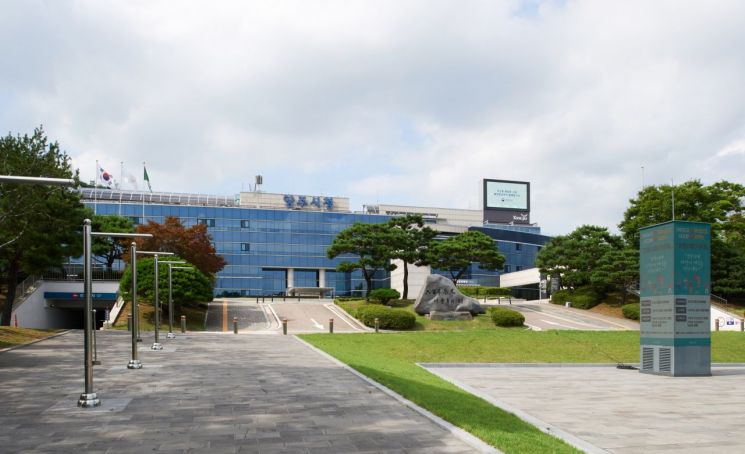
According to Yangju City on June 7, practical transportation improvements that directly impact citizens’ daily lives are gradually becoming a reality. These include the expansion of metropolitan bus routes, the addition of the “Gyeonggi-do Premium Bus,” the expansion of the downtown circulator “Ddokbus,” the operation of alternative routes in the Jangheung area, and support for long-distance school commutes.
■ Metropolitan Buses to Jamsil... The Commute is Changing
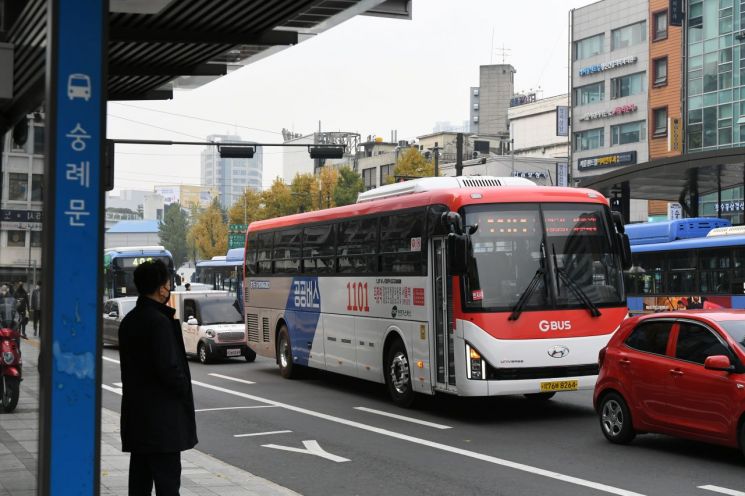
One of Yangju’s main transportation issues has been the lack of connectivity with downtown Seoul. To address this, Yangju City launched the new metropolitan bus route 1306 to Jamsil in April. With this addition, Yangju now operates a total of eight metropolitan bus routes, providing citizens with various options for traveling to and from Seoul.
In particular, in addition to the existing 1100, 1101, and G1200 routes connecting Deokjeong Station and Okjeong, the 1304 route connecting Hoecheon and Hongjuk Industrial Complex, the G1300 route running through central Okjeong to Jamsil Station, and the newly launched 1306 route in April have all contributed significantly to alleviating congestion during commuting hours.
Metropolitan bus routes under the jurisdiction of Gyeonggi Province are also operating smoothly.
From Deokjeong Station in Yangju, route 8906 runs to Bucheon Sopoong Terminal, while route 8300 heads to Byeollae Station, providing vital connections for citizens.
Going forward, Yangju City plans to continue actively participating in demand surveys for new projects conducted by the Metropolitan Transportation Commission, steadily expanding new routes to strengthen connections with central Seoul and ease citizens’ commutes.
■ “Premium Bus” to Samsong and Hoecheon... Balanced Mobility Across Living Zones
Another new commuting option to Seoul will soon be available for Yangju citizens.
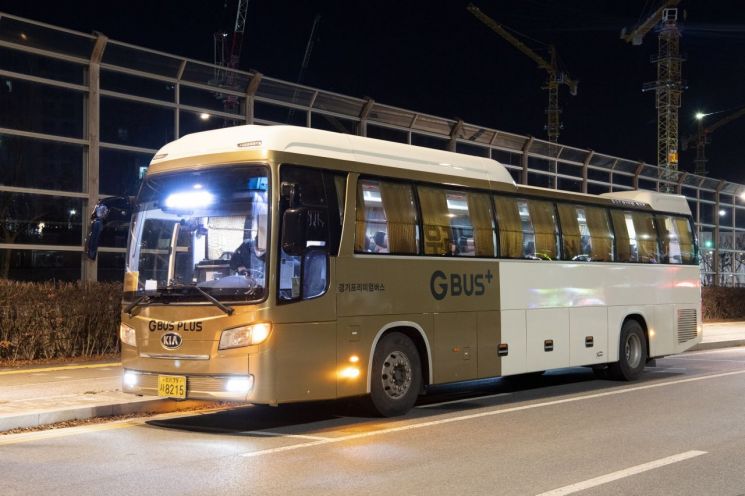
The new premium bus route promoted by Gyeonggi Province will start from Yangju Samsong Ja-i Apartments, pass through Goeup, Hyeonjin Everville, Hoecheon New Town, and Deokgye Station, and connect to Seoul’s Gangbyeon Station.
As a premium bus, it is expected to enhance comfort and convenience for commuters with spacious seating, punctuality, and a reservation-based system.
Currently, the P9601 and P9602 routes operate from Okjeong District to Cheongdam, Seolleung, and Yangjae. However, the new route is focused on expanding the metropolitan transportation network, previously concentrated in Okjeong, to other living zones such as Goeup and Hoecheon New Town.
By allocating new routes to areas with relatively insufficient metropolitan transportation infrastructure, the aim is to reduce transportation disparities between living zones and strengthen connectivity with major transfer hubs in northeastern Seoul.
The new route is scheduled to begin operation in the second half of this year.
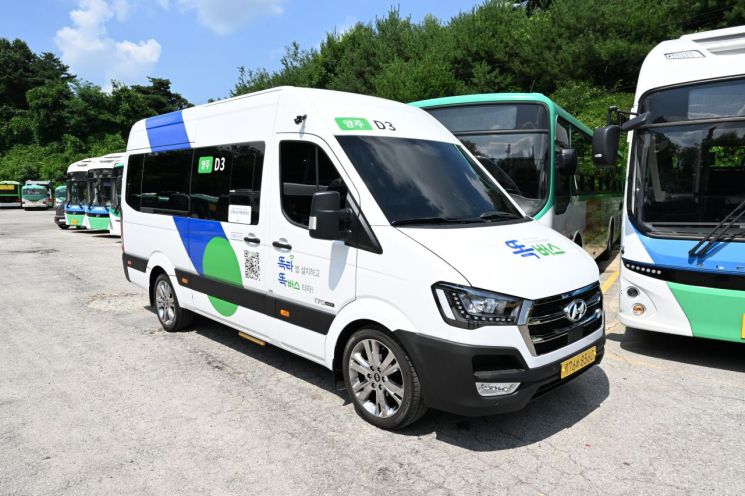
■ Full Expansion of “Ddokbus”... Freedom for Transportation-Vulnerable Groups
The “Ddokbus,” designed to address transportation exclusion within the region, is also a core part of Yangju’s transportation policy.
“Ddokbus” is a demand-responsive transport (DRT) service that provides customized public transportation, allowing routes and operating times to be flexibly adjusted according to user demand, rather than following fixed routes and timetables.
Previously, “Ddokbus” operated mainly around Okjeong New Town, Deokgye Station, and Samsong-dong. As of May 20, service has been expanded to Hoecheon New Town and the Hoeamsa Temple Museum.
There is another notable change.
A new “route-type Ddokbus” will be introduced in Hoecheon New Town, where metropolitan transportation routes have been lacking.
Selected as a pilot project for the Metropolitan Transportation Commission’s “M-DRT” initiative, the route-type Ddokbus will operate as a dedicated commuting route to Seoul’s Nowon Station, running four times daily on weekdays (departures at 6:30 a.m. and 7:00 a.m. for the morning commute; 5:00 p.m. and 5:30 p.m. for the evening commute).
The route will start from The One Park Village and Lapiano Switchen stops, pass through Deokgye Station, Hoecheon New Town (Hoecheon Jungang-ro), Yangju City Hall, Yangju Station, and terminate at Exit 4 of Nowon Station.
Additionally, “Ddokbus” will be introduced in the western region of Yangju (Baekseok-eup, Gwangjeok-myeon, Eunhyeon-myeon, Nam-myeon, and Jangheung-myeon), which is expected to help bridge transportation gaps between different areas.
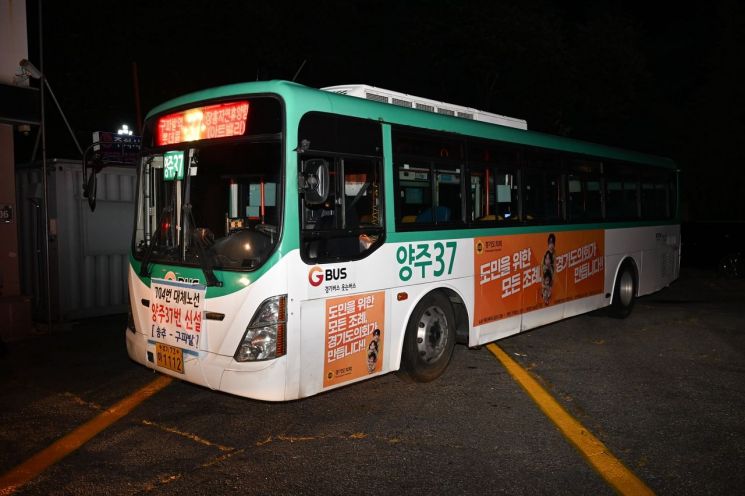
■ “Yangju Bus No. 37” Settles in Jangheung-myeon... Filling the Void Left by Discontinued Routes
The alternative route “Yangju Bus No. 37,” established for residents of Jangheung-myeon who experienced inconvenience due to the shortening of Seoul’s 704 route, is now well established.
This route starts from the local natural recreation forest, connects to Songchu Elementary School, the entrance to Bukhansanseong, Gupabal Station, and ends at Bulgwang Station. It operates 90 times per day on weekdays, with 15 buses running at intervals of 13 to 14 minutes on average.
Having quickly taken root, this route has become more than just a means of transportation; it is now a “life route” closely connected to the daily lives of residents.
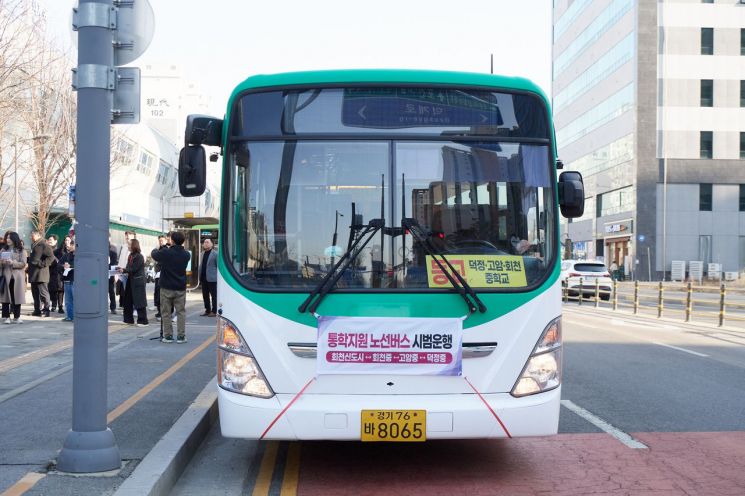
■ Safe School Commutes by Route Bus... “Safe Paths for Students, Too”
Yangju City is actively addressing the issue of long-distance school commutes for students in Okjeong and Hoecheon, especially given the lack of educational infrastructure compared to the pace of development.
Currently, 323 students from Okjeong District are assigned to Okbit Middle School and Yuljeong Middle School, and 205 students from Hoecheon District are assigned to Goam Middle School, Deokjeong Middle School, and Hoecheon Middle School. However, since the average commuting time by public transportation is less than 30 minutes, it does not meet the criteria for school bus support set by the Office of Education.
In response, Yangju City is taking its own measures.
In Okjeong District, existing route buses are used to maintain two to three departures during school arrival times. In Hoecheon District, the “700” route is split into separate branches, and the “73-3” route is adjusted to operate three to four times during both arrival and dismissal times.
In particular, the “700-1” and “700-2” routes start from Deokgye Station and pass through Linfamilie, Doduni, Prugio, Daekwang Rosebian, Hoecheon Middle School, Goam Middle School, and Deokjeong Middle School, ensuring that students can commute more safely and efficiently.
Going forward, the city plans to normalize the temporary branch of the “700” route and establish an official route to provide stable commuting options for students.
A Yangju City official stated, “Transportation is not just a means of movement, but a fundamental issue directly linked to citizens’ everyday lives,” and added, “We will proactively and systematically implement transportation measures in response to continuous population growth and urban expansion.”
© The Asia Business Daily(www.asiae.co.kr). All rights reserved.

![User Who Sold Erroneously Deposited Bitcoins to Repay Debt and Fund Entertainment... What Did the Supreme Court Decide in 2021? [Legal Issue Check]](https://cwcontent.asiae.co.kr/asiaresize/183/2026020910431234020_1770601391.png)