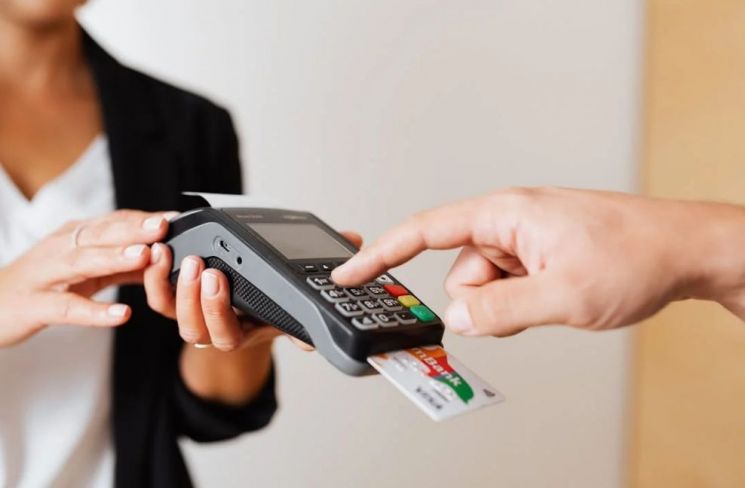
Americans have long harbored complaints about tipping culture, but now digital payment screens are turning these grievances into real financial disasters.
On June 5 (local time), Canadian media outlet Moneywise reported cases in which people have suffered losses due to mistakes made on digital payment systems. Linda Mathison purchased a pain reliever for $129.28 at a store in San Bruno, California last year. She accidentally paid a $5,000 tip. She had intended to leave a $5 tip, but because the payment terminal did not display a decimal point, she entered "5000," and the system processed it as such.
At first, the store employee said the payment could not be canceled, then later claimed the store had not received the money. However, Mathison was able to show through her bank statement that the transaction had indeed been completed. She contacted her bank within five minutes of the payment, but the bank said it was a "legitimate transaction." As a result, even after a year, Mathison had not received a refund. She lamented, "My son is graduating from college next week, but I can't buy him anything."
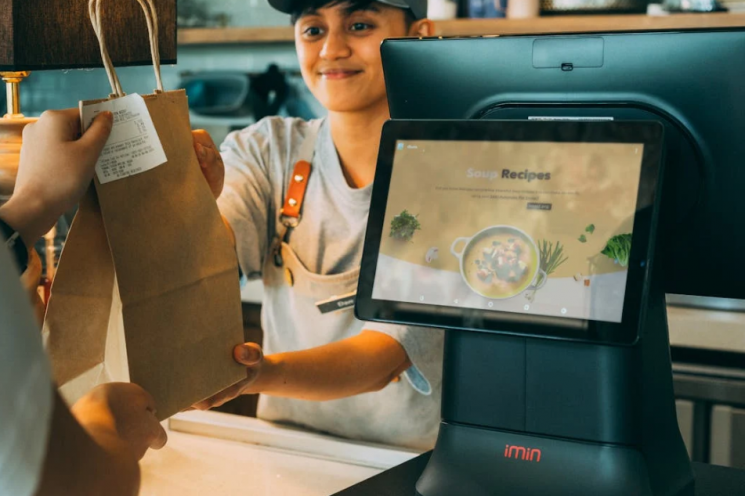 In the United States, where tipping culture is well established, it has been customary to tip around 15% for services such as dining. However, recently, demands for 20% or 25% tips have arisen, and tipping is being enforced even for contactless services, causing backlash from consumers. The photo is a reference image to aid in understanding the article. Photo by Pexels
Vera Connor, who lives in Georgia, also made a similar mistake at a Subway sandwich shop. While ordering her usual $7.54 Italian sandwich, she accidentally left a $7,112.98 tip. She explained that while entering her phone number to collect reward points, the screen suddenly switched to the tip input screen, and the payment was completed before she realized what had happened. After hours of calls with the company headquarters and her bank, the transaction was eventually canceled, but she suffered significant stress as a result.
Moneywise advises that in such situations, it is important to act quickly. You should contact your bank or card issuer as soon as the transaction is approved. Most banks allow you to dispute a transaction within 60 days, but you should not wait. It is also important to take screenshots of receipts, payment screens, and any communications with the store. This can help prove that the mistake was unintentional. You should carefully check the terms and conditions. Most banks have protection policies for unauthorized transactions, but not all mistakes are covered. If you personally approved the transaction, even by accident, it may be difficult to get a refund unless the store agrees. Moneywise also recommends keeping some emergency cash on hand, as tip calculations can go wrong.
© The Asia Business Daily(www.asiae.co.kr). All rights reserved.


















