Secretary of State: "Modernizing the South Korea-U.S. Alliance"
White House: "South Korean Election Was Free and Fair"
Japan: "A Result of Korean Democracy"... Expresses Willingness for Summit Talks
On June 3 (local time), the administration of former U.S. President Donald Trump reaffirmed the strength of the South Korea-U.S. alliance while expressing expectations for strengthened trilateral cooperation among South Korea, the United States, and Japan following the election of President Lee Jaemyung. In a statement regarding President Lee's victory, the White House unusually made a direct reference to Chinese interference in democracy, indirectly signaling its hope that South Korea will maintain a careful balance in its future relations with China.
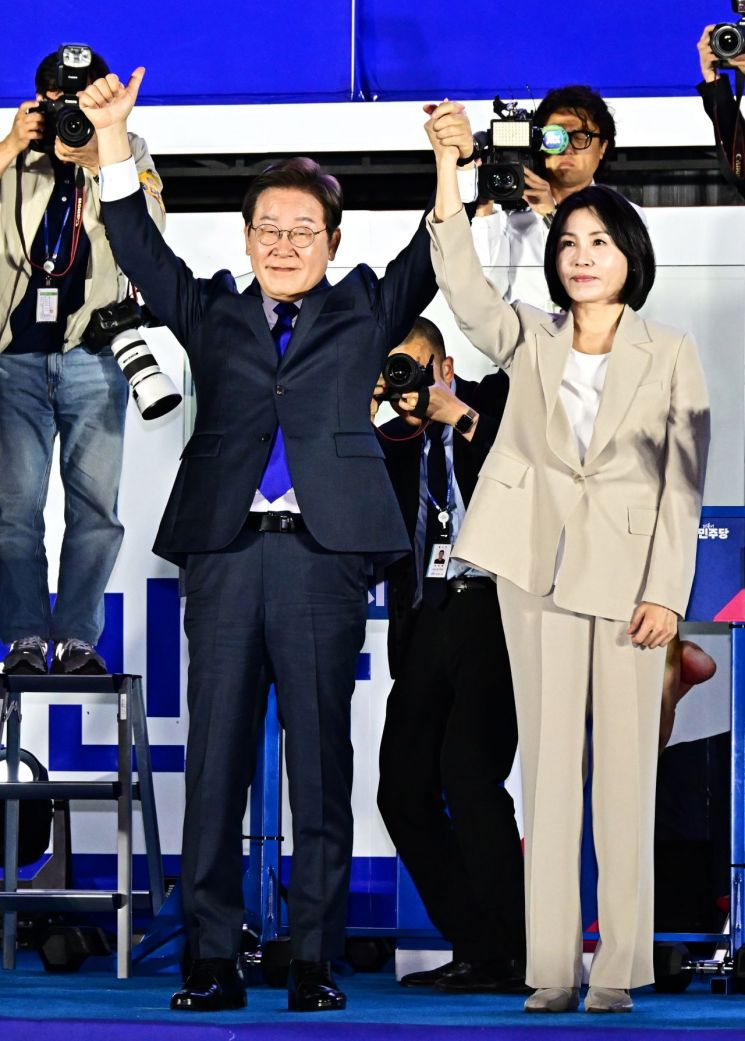
U.S. Secretary of State Marco Rubio, speaking on behalf of the U.S. government in an official statement, said, "We congratulate President Lee Jaemyung on his election as the 14th President of the Republic of Korea." Although President Lee is constitutionally the 21st president of South Korea, Secretary Rubio referred to him as the "14th president" based on the American tradition of counting only unique individuals, not repeated terms.
He emphasized the importance of the South Korea-U.S. alliance and also highlighted the need for trilateral cooperation among South Korea, the United States, and Japan to expand security and economic partnerships. Secretary Rubio stated, "The United States and South Korea share an ironclad commitment to our alliance, which is based on our mutual defense treaty, shared values, and deep economic ties," reminding both countries of the structural foundation of their relationship. He added, "We are also modernizing our alliance to meet the demands of today's strategic environment and to respond to new economic challenges."
Secretary Rubio further stated, "We will continue to deepen trilateral cooperation among South Korea, the United States, and Japan to strengthen regional security, enhance economic resilience, and uphold the democratic principles we share," making clear the direction of cooperation among the three countries to safeguard regional stability and global values.
The White House reaffirmed the strength of the South Korea-U.S. alliance while also expressing concerns about Chinese interference in democracy. In a written response to a question from Asia Economy regarding the U.S. government's position on the South Korean presidential election results, a White House official said, "The South Korea-U.S. alliance remains ironclad," and added, "While it is clear that South Korea held a free and fair election, the United States continues to be concerned about and oppose Chinese interference and influence in democracies around the world."
It is considered unusual for the White House to openly mention the issue of Chinese interference in its announcement of South Korea's new president. Some interpret this as the United States signaling its unwavering support for the South Korea-U.S. alliance under the Lee Jaemyung administration, while also subtly warning against excessive ties with China. This suggests that even as South Korea pursues a balanced diplomacy between the United States and China, it should prioritize cooperation with the United States in terms of democratic values and security interests.
The Wall Street Journal (WSJ) recalled that President Lee stated last month, "The South Korea-U.S. relationship is the basic axis of diplomacy, but we should not rely entirely on the United States," and noted that this could conflict with President Trump's ongoing strategy to contain China. The WSJ pointed out, "His diplomatic vision of maintaining a close alliance with the United States while pursuing balanced diplomacy with China is expected to have a significant impact not only on the situation on the Korean Peninsula but also on U.S.-China relations in the future."
Japan and the European Union (EU) also welcomed President Lee's inauguration. Japanese Prime Minister Shigeru Ishiba congratulated him, calling it "the result of Korean democracy," and expressed his intention to hold a South Korea-Japan summit soon and to resume shuttle diplomacy. The EU also stated, "As a key ally, we look forward to deepening our strategic partnership," emphasizing cooperation based on democracy and the rule of law.
© The Asia Business Daily(www.asiae.co.kr). All rights reserved.

















