Buk-gu: "New Road Construction Is Inevitable" vs. Gwangju City: "Not in Line with Daejabo Principles"
Administrative Coordination Needed over Policy Direction and Feasibility
Although Buk-gu in Gwangju has proposed traffic improvement measures in response to the redevelopment of the Jeonnam and Ilsin Textile sites in Im-dong, Gwangju City has effectively declined to accept these proposals, revealing a policy gap between the two sides.
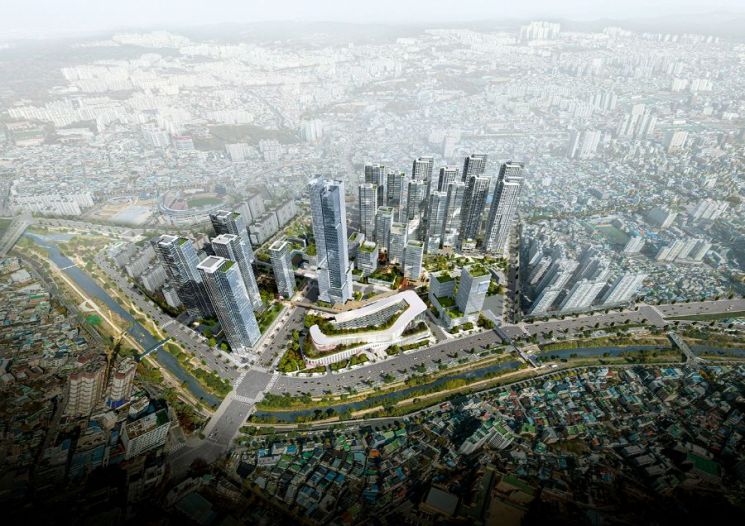
According to Gwangju City and related agencies on June 1, Buk-gu released the results of a research study on traffic improvement measures for the Jeonnam and Ilsin Textile site redevelopment on May 28. In a prior interview with this newspaper, Kim Kyungjoong, Director of Urban Management at Buk-gu, stated, "The redevelopment of the Jeonnam and Ilsin Textile sites is a core project that residents of Buk-gu have high expectations for." He added, "As an administrative official, I have proposed necessary alternatives to reduce potential civil complaints that may arise in the future, such as traffic issues." He further explained, "While I fully understand Gwangju City's principle of prioritizing public transportation, bicycles, and pedestrians, Buk-gu must also comprehensively consider the existing road conditions in the area and the potential increase in vehicle demand."
The Chonnam National University Industry-Academic Cooperation Foundation, which conducted the research, suggested the construction of an approximately 3.5-kilometer east-west connecting road (linking Bitgoeullo to the Ilsin Textile site) running along the Gwangju Stream and directly connecting to the development site as a solution to the traffic congestion expected to arise from the redevelopment.
Additionally, the study proposed widening the road from the Gwangcheon Bridge No. 1 intersection to the Cheonbyeonjwa-ro Yangdong Market, expanding the underpass at Sinan Bridge, and constructing a new bridge between Zenith Apartment and Cheonbyeonjwa-ro. Other suggestions included converting a nearby pedestrian-only bridge into a mixed-use bridge for both vehicles and pedestrians, as well as installing a public underground parking lot.
However, Gwangju City has effectively declined to accept most of these proposals. The city believes that road expansions focused on vehicles are not in line with its policy of prioritizing public transportation, bicycles, and pedestrians (the Daejabo policy).
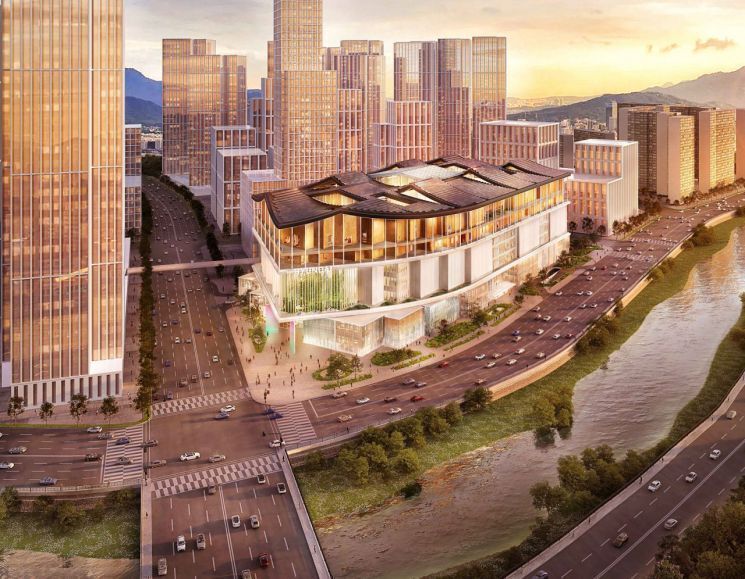
An official from Gwangju City explained, "Many of the measures proposed in the study involve expanding vehicle roads, which would require reducing pedestrian and bicycle pathways. This does not fully align with the direction of our Daejabo policy." The official continued, "Although the installation of a public parking lot was proposed in connection with traffic congestion caused by the nearby baseball stadium, parking lots can induce additional vehicle demand, making them inappropriate as a traffic improvement measure. We will establish traffic countermeasures after thorough discussions with various agencies."
© The Asia Business Daily(www.asiae.co.kr). All rights reserved.


















