Franchise Owners to Gain More Authority with Self-Determined Pricing from June
Greater Management Flexibility for Franchisees
Concerns Grow Over Consumer Confusion and Franchise Brand Consistency
Favorable for Delivery App Profit Structures
Allows Franchisor to Avoid Responsibility
bhc's decision to introduce a "self-determined pricing system," which allows franchise owners to set their own chicken prices, is expected to have a significant impact on the industry. While this move is a response to franchisees' demands amid rising operating costs, concerns have been raised about potential price confusion and consumer dissatisfaction. Some point out that the policy may ultimately benefit delivery platforms and the franchisor more than others.
Franchise Owners to Set Prices, Self-Determined Pricing System Begins This Month
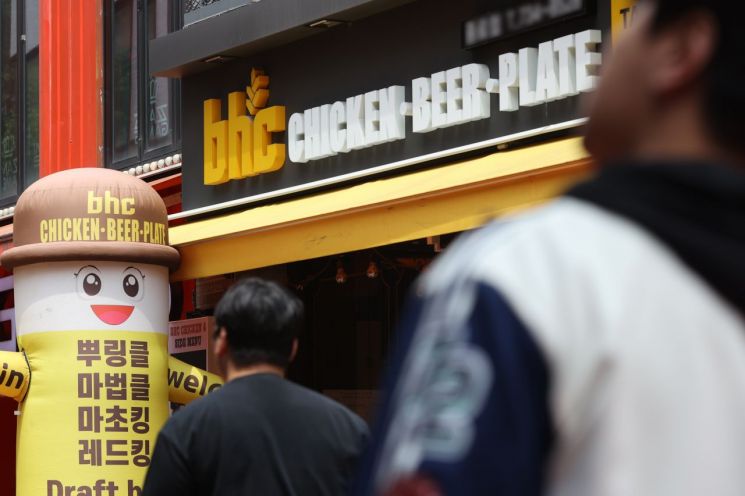
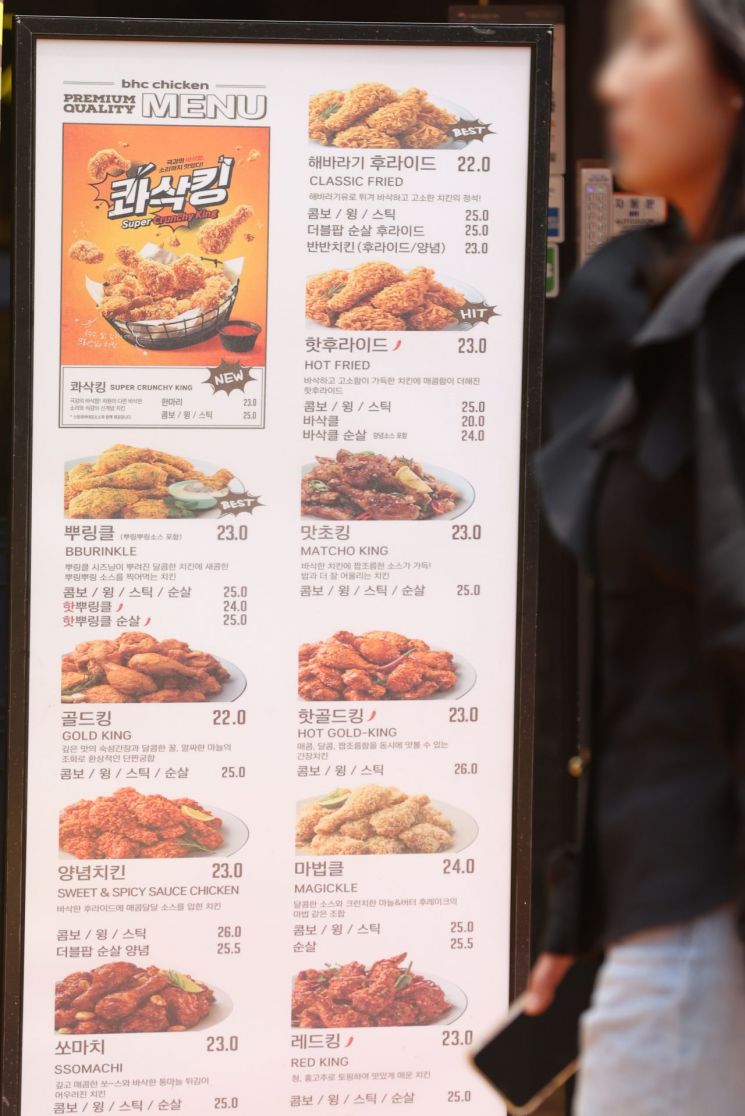
According to the food service industry on June 1, chicken brand bhc, part of Dining Brands Group, will implement a self-determined pricing system this month, allowing franchise owners to set their own chicken prices. Previously, the headquarters suggested a "recommended retail price," which franchisees generally followed in practice. Going forward, however, franchisees will be able to freely adjust prices within a 2,000 won range.
The adoption of this self-determined pricing system is the result of longstanding demands from franchise owners. As fixed costs such as delivery app fees, raw material costs, and labor expenses have steadily increased, profitability has declined, leading to stronger calls for pricing autonomy from franchisees. With this decision, bhc aims to expand management autonomy for its franchisees.
Recently, some in the franchise industry have introduced a "dual pricing system" to ease the burden of delivery app fees. However, the chicken industry, which is highly dependent on delivery sales and sensitive to consumer response, has been reluctant to adopt such measures. Only a few chicken brands, such as Jadams Chicken and Gcova Chicken, currently operate a dual pricing system, charging different prices for in-store and delivery orders. For delivery, chicken prices are 1,000 to 2,500 won higher.
However, the self-determined pricing system is expected to increase management flexibility, as individual franchise owners can independently set prices based on local characteristics and profitability. Franchisees who feel burdened by delivery app brokerage and packaging fees are likely to raise delivery chicken prices by about 1,000 to 2,000 won.
Franchise Owners 'Welcome' the Change, While Consumers Fear 'Confusion'
Franchise owners have welcomed the decision. With delivery app fees, labor costs, and raw material prices all rising, "price freezes" have directly led to declining profits. Stores with a high proportion of delivery orders are expected to recover some profits by raising delivery-specific prices.
One franchise owner said, "Although delivery fees have been a burden, I couldn't raise prices because I was tied to the headquarters' standard price. Now, I'm glad I can operate according to local conditions."
However, there are concerns that the self-determined pricing system will inevitably lead to consumer confusion, as prices could vary from store to store. If price differences widen between locations of the same brand, it could negatively affect the franchise's key strengths: price consistency and consumer trust. Some argue that this is effectively the same as a price increase.
Some analysts also argue that the self-determined pricing system is advantageous for delivery platforms. Under the delivery app win-win policy, commission rates vary based on sales volume, and as sales increase, so does the commission rate. Thus, when food prices rise, delivery app profits also increase.
There are also criticisms that the franchisor may be trying to avoid responsibility through the self-determined pricing system. By stepping back from dual pricing or commission controversies and transferring pricing authority to franchise owners, the headquarters can also shift consumer complaints onto the franchisees.
Currently, bhc is the only brand to have adopted the self-determined pricing system. However, as the industry leader is taking this pioneering step, policy changes among competing brands are also expected. Even if a full-scale adoption is difficult in the short term, there is analysis that brands may move toward a more flexible approach to recommended pricing.
An industry official said, "We need to watch how the self-determined pricing system settles in the market and what effects it brings," adding, "It is quite possible that this approach will spread beyond chicken to the entire franchise industry."
A bhc representative explained, "Even before, the final decision-making authority on pricing rested with franchise owners, and partial price autonomy on delivery apps or flexible regional pricing has existed across the industry. This latest measure reflects overall market trends and is intended as a win-win policy to help franchisees struggling with excessive delivery app fees improve their profit structure through more flexible operations."
© The Asia Business Daily(www.asiae.co.kr). All rights reserved.


















