Continuous Inspection of Personal Hygiene Management Among Seafood Handlers from June to September
Simultaneous Testing for Vibrio Bacteria and Veterinary Drug Residues in Seafood Such as Olive Flounder and Rockfish
Ulsan City will conduct guidance and inspections of seafood retailers for four months from June to September, ahead of the full summer season, in order to create a safe supply and consumption environment for seafood.
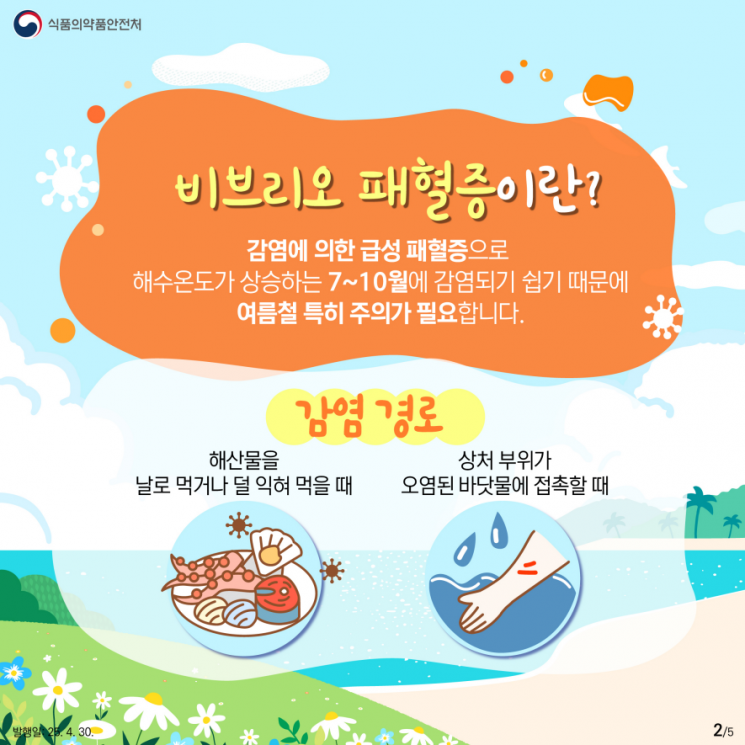
This inspection has been organized to prepare for the increased risk of food poisoning, such as the rise in Vibrio sepsis bacteria, due to the rise in sea water temperature caused by higher air temperatures during the summer.
The inspections will target wholesale markets and retailers handling seafood, with at least 10 locations selected for inspection each month.
The main inspection items include: ▲ whether business operators comply with personal hygiene and storage standards ▲ management of aquarium water temperature (15°C or below) ▲ management of contamination by harmful substances such as heavy metals and residual pesticides.
Additionally, a total of 60 seafood samples, mainly raw fish such as olive flounder and rockfish, will be collected to test for Vibrio contamination and compliance with residue limits for veterinary drugs.
The three types of Vibrio bacteria are Vibrio cholerae, Vibrio sepsis, and Vibrio parahaemolyticus.
If any seafood is found to be non-compliant as a result of the tests, it will be promptly prohibited from sale and disposed of, and the non-compliance information will be disclosed on the Food Safety Korea website.
In addition, during the summer vacation season in July and August, special management will be implemented for major ports and seafood restaurants and markets near the seaside that are frequently visited by tourists. The Busan Regional Food and Drug Administration will deploy rapid food poisoning inspection vehicles and collect aquarium water for on-site testing of Vibrio bacteria.
The rapid food poisoning inspection vehicles are equipped with precision analysis equipment, such as real-time PCR devices, enabling on-site analysis. They can quickly test for Vibrio contamination within four hours at the site.
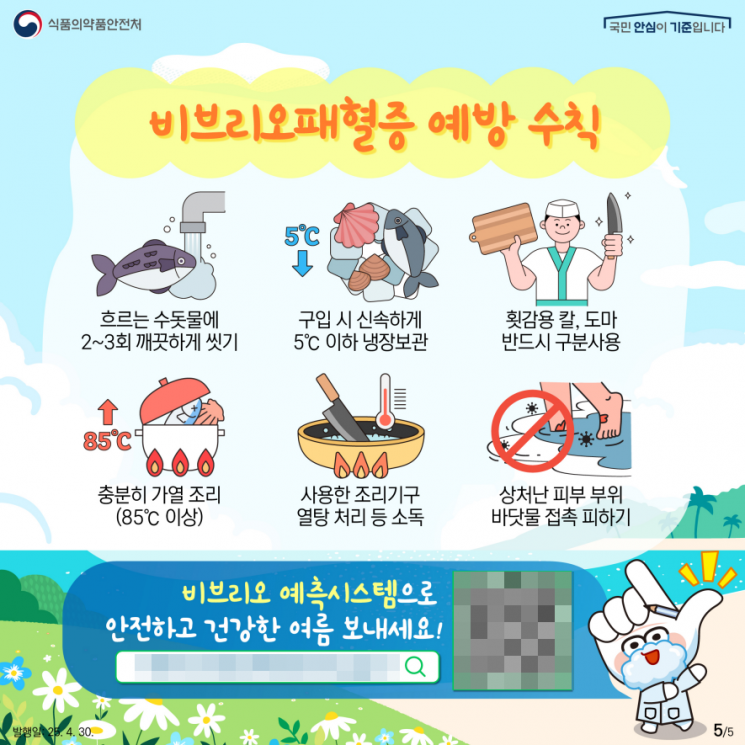
An official from Ulsan City stated, "For raw fish, which is consumed without cooking, it is important to wash it two to three times with tap water to prevent food poisoning bacteria such as Vibrio. Knives and cutting boards should be separated for removing the head, intestines, and skin, and for preparing sashimi." The official also emphasized, "In particular, people with underlying diseases such as liver disease should thoroughly cook seafood before consumption to prevent Vibrio sepsis infection."
© The Asia Business Daily(www.asiae.co.kr). All rights reserved.
![Clutching a Stolen Dior Bag, Saying "I Hate Being Poor but Real"... The Grotesque Con of a "Human Knockoff" [Slate]](https://cwcontent.asiae.co.kr/asiaresize/183/2026021902243444107_1771435474.jpg)

















