Seoul High Court Acknowledges Harsh Treatment During Investigation in Retrial
The acquittal of the late Jin Doohyun, a Korean-Japanese who was sentenced to death and served 16 years in prison in connection with the so-called 'Reconstruction Committee of the Unified Revolutionary Party Incident,' has been finalized. This case, which occurred under the Park Chung-hee administration, comes 49 years after his death sentence was confirmed.
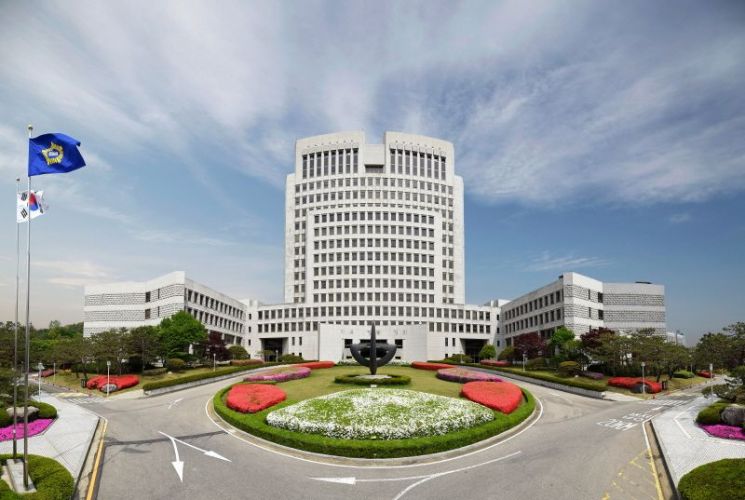
On May 29, the Supreme Court's Third Division (Presiding Justice Lee Sukyeon) upheld the lower court's acquittal of Jin and the late Park Seokju on charges of violating the National Security Act. The Supreme Court stated, "There was no error in the lower court's judgment that would have affected the outcome, such as misunderstanding the legal principles regarding the admissibility of evidence, voluntariness of confessions, or corroborating evidence."
The Unified Revolutionary Party Incident was a spy case announced by the Korean Central Intelligence Agency in August 1968, alleging that individuals acting under orders from North Korea formed a party and engaged in anti-government activities. Jin and Park were taken into custody by the Army Security Command between September and October 1974, and were subjected to investigations involving illegal detention and harsh treatment. In 1976, the Supreme Court sentenced them to death and 10 years in prison, respectively.
Jin was released in 1991 after receiving a special pardon and restoration of civil rights, while Park reportedly died in prison in 1984. Park was posthumously granted a special pardon and restoration of civil rights in 1998.
In October 2017, the bereaved families filed for a retrial, citing illegal acts during the investigation process. The Seoul High Court, which handled the retrial, acquitted both individuals in October last year. The court found "substantial likelihood that the defendants were investigated while being illegally arrested and detained, and that they were subjected to harsh treatment during the investigation," and determined that all statements made by the defendants to investigative agencies and in court were inadmissible as evidence.
Seizure records and confiscated items prepared during the police stage were also ruled inadmissible as evidence, on the grounds that the seizures were conducted while the defendants were illegally detained by Army Security Command investigators. Although prosecutors appealed, the Supreme Court found no error in the appellate court's ruling and dismissed the appeal.
© The Asia Business Daily(www.asiae.co.kr). All rights reserved.

















