May 15 to September 30: Real-Time Heat Wave Management and Response System Established
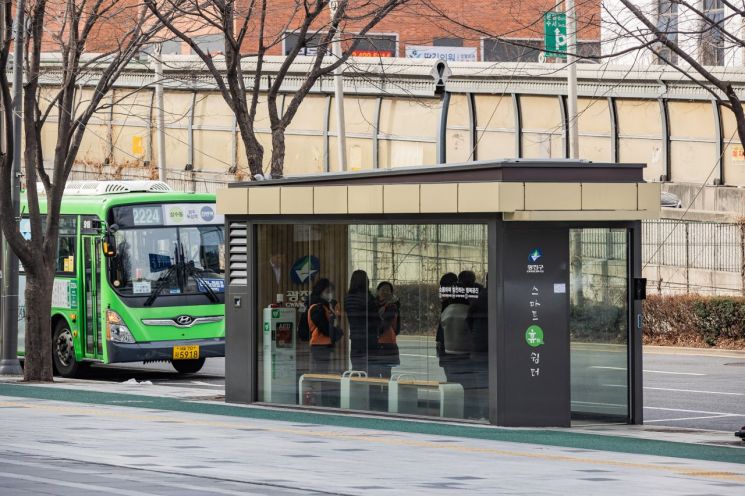
346 Heat Wave Mitigation Facilities in Operation, Including Smart Shelters, Cooling Fog, Shade Canopies, and Spring Water Stations
Cooling Shelters for Vulnerable Groups Operated at Public Offices, Welfare Centers, and Senior Centers

Gwangjin District (Mayor Kim Kyungho) has established the "2025 Comprehensive Heat Wave Response Plan" and is taking swift and proactive measures to address summer heat waves.
The district has designated the heat wave response period from May 15 to September 30, which is five days earlier than last year. During this period, it has established 17 safety management measures across four areas: heat wave situation management and response system establishment, protection of vulnerable groups, operation of heat wave mitigation facilities, and minimization of heat wave damage.
In particular, compared to last year, the district has paid closer attention by expanding public utility bill support, introducing new cooling fog systems in traditional markets, and increasing the number of heat wave mitigation facilities.
A response system tailored to each crisis alert level has been established. A heat wave situation management task force, comprising the Situation Control Team, Living Support Team, Facility Recovery Team, and Public Relations Support Team, operates to monitor heat wave conditions in real time. When a heat wave advisory is issued, a comprehensive heat wave support situation room is set up to quickly respond to heat wave situations through continuous situation management, protection of vulnerable groups, and prevention of damage.
The district protects groups vulnerable to heat waves. Public utility bills and cooling supplies are provided to low-income households, and the number of welfare check-ins for seniors is increased. Twenty-eight visiting nurses are deployed to focus on managing individuals who are particularly vulnerable to health risks. The safety of workers at outdoor workplaces and construction sites is also ensured. The district safeguards the health of outdoor workers who are easily exposed to heat-related illnesses by securing rest areas, operating cooling equipment, providing on-site safety education, supplying ice water, and stocking safety gear. A heat-related illness monitoring system is established with Konkuk University Medical Center and Hyemin Hospital to maintain up-to-date status reports, case management, and reporting systems for heat-related patients.
The district has significantly expanded heat wave mitigation facilities. It operates 18 Smart Shelters, 239 shade canopies, 78 cooling and heating benches, 7 cooling fog systems, and 4 Gwangjin Spring Water Stations. Focusing on senior centers, 92 cooling shelters for seniors are operated to protect those most vulnerable to heat-related illnesses. In June, new cooling fog systems will be installed at Jayang Traditional Market and Norunsan Alley Market to reduce heat in the markets. Around 140,000 bottles of water will be prepared at four locations?Jungnangcheon Water Park and trail, Gingorang Valley, and Achasan Community Garden?to prevent heat-related illnesses.
The district is taking the lead in minimizing heat wave damage. Six water-spraying vehicles will be deployed to spray water on major roads and arterial roads during the heat wave period, lowering urban temperatures and alleviating the urban heat island effect.
Additionally, measures have been put in place to ensure stable energy supply. Safety inspections will be conducted at 10 gas supply facilities, and summer safety management guidelines have been provided. The district will disseminate action plans according to each power supply crisis level and promote energy-saving campaigns. Transportation facilities will be inspected in advance, and emergency transportation measures have been established to prepare for potential disruptions to buses, subways, and other public transit in the event of a power outage.
Mayor Kim Kyungho of Gwangjin District stated, "Due to climate change, heat wave disasters are becoming increasingly severe, making thorough preparation essential. We have put in place practical heat wave countermeasures that will genuinely help residents have a healthy summer," adding, "During heat waves, I encourage everyone to refrain from outdoor activities as much as possible and to actively use nearby heat wave mitigation facilities such as cooling shelters or shade canopies."
© The Asia Business Daily(www.asiae.co.kr). All rights reserved.


















