Improved Motor Function Compared to Placebo
Significant Therapeutic Effects on Major Organs
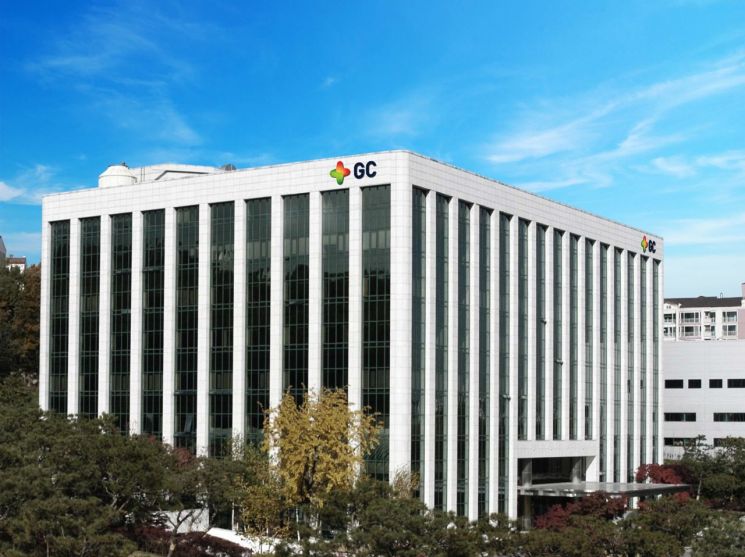
GC Green Cross announced on May 28 that the results of its Phase 3 clinical trial for Hunterase (Idursulfase-beta), a treatment for Hunter syndrome, have been published in the SCIE-level international journal "Genetics in Medicine."
This Phase 3 clinical trial, conducted at Samsung Medical Center, targeted 24 newly diagnosed Hunter syndrome patients who had not previously received any treatment. The research team comprehensively evaluated the efficacy and safety of intravenous administration of Hunterase over a one-year period.
Hunter syndrome is a rare genetic disorder caused by the absence or deficiency of the enzyme iduronate-2-sulfatase (IDS), which breaks down glycosaminoglycans (GAGs) in the body. When GAGs accumulate, they cause joint stiffness, leading to difficulties in daily life, and trigger various systemic symptoms such as enlargement of the liver and spleen.
The company stated that this clinical trial confirmed that Hunterase significantly improved the motor function of Hunter syndrome patients, and markedly reduced urinary GAG levels as well as the size of the liver and spleen.
In the primary endpoint, the 6-Minute Walk Test, patients treated with Hunterase were able to walk an average of 62.2 meters farther than before treatment. This is more than eight times higher than the 7.3 meters observed in the placebo group.
The 6-Minute Walk Test measures the distance a patient can walk on a flat surface in six minutes, providing a comprehensive assessment of basic motor function, cardiopulmonary capacity, muscle condition, and overall health. This method is a direct indicator of quality of life and is used as a standard evaluation tool in Hunter syndrome research.
Additionally, promising results were observed in the secondary endpoints, including urinary GAG concentration and the levels of two types of GAGs: heparan sulfate (HS) and dermatan sulfate (DS). GAG concentration decreased by 71%, while HS and DS levels were reduced by 89% and 88%, respectively. The size of the liver and spleen was also reduced by 27% and 26%, respectively, demonstrating significant therapeutic effects on major organs.
The safety profile was also favorable. Most adverse events were mild or moderate, and there were no cases of treatment discontinuation. Notably, the proportion of patients in whom neutralizing antibodies were detected consecutively three or more times was 19%, which is lower than the 62.5% seen with existing treatments. This suggests that Hunterase may offer more stable efficacy compared to current therapies.
Son Youngbae, the first author of the paper and a professor at Ajou University Hospital, stated, "This clinical trial is not only the first Phase 3 study in Asian patients, but also confirms the excellence of Hunterase, developed with domestic technology. In particular, the trial demonstrated clinical improvements not only in metabolic correction but also in normalization of major organ volumes and recovery of motor function."
Jung Jaeuk, Head of R&D at GC Green Cross, said, "We are pleased to publish these encouraging Phase 3 results. We expect that Hunterase, developed entirely with domestic technology, will greatly contribute to improving the quality of life for patients with Hunter syndrome."
Meanwhile, Hunter syndrome is an X-linked genetic disorder that typically occurs in about 1 in 100,000 male births. In severe cases, patients may die before reaching adulthood, making early diagnosis and treatment critical. Currently, the two main treatments for Hunter syndrome used worldwide are GC Green Cross's Hunterase and Takeda Pharmaceutical's Elaprase (with domestic distribution rights held by Sanofi).
© The Asia Business Daily(www.asiae.co.kr). All rights reserved.

















