On May 28, iM Securities analyzed that the United States is strengthening its stablecoin policy in order to lead the growth of the virtual asset market and to maintain the dominance of the dollar.
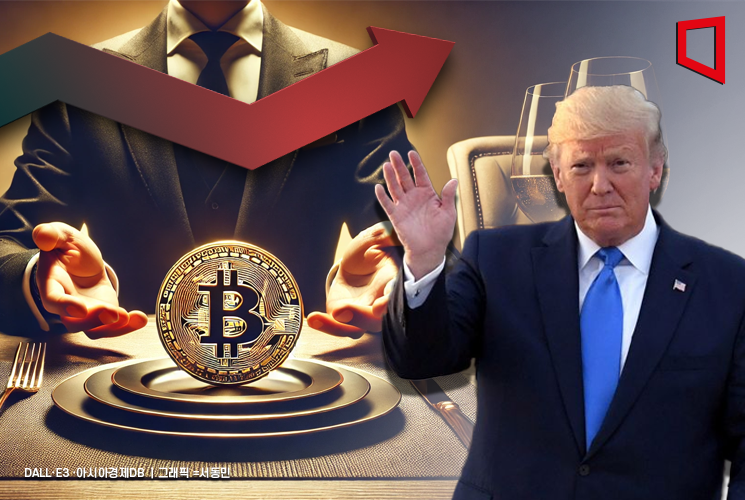
Recently, the U.S. Congress passed the "Guiding and Empowering National Innovation for U.S. Stablecoins Act" (GENIUS Act). Stablecoins refer to virtual assets designed to be pegged to the value of stable assets such as the U.S. dollar or the euro.
Regarding the strengthening of U.S. policy on stablecoins, iM Securities analyzed that it reflects the intention to take the lead in the growth of the virtual asset market.
Park Sanghyun, a researcher at iM Securities, stated, "Although there is still ongoing debate over the value of Bitcoin, some cryptocurrencies such as Bitcoin have already been incorporated into the institutional framework, and the related industry is growing rapidly."
He added, "Currently, it is no exaggeration to say that the stablecoin market is dominated by two dollar-pegged stablecoins: Tether (USDT) and Circle (USDC). The stablecoin market is expected to grow rapidly within the next few years."
He emphasized, "If the stablecoin market, especially the dollar-pegged stablecoin market, grows rapidly, it is highly likely to play an important role in maintaining the dollar's dominance. If the growth potential of the stablecoin market is viewed positively, the possibility that stablecoin issuers could become major players in the U.S. Treasury market may become a reality."
Researcher Park said, "Already, USDT and USDC hold $126 billion in U.S. Treasuries as reserve assets. Simply put, if the dollar-pegged stablecoin market grows by 6 to 12 times, the total U.S. Treasury holdings by the stablecoin market could also exceed $1 trillion."
He added, "This will serve as a crucial foundation for demand for U.S. Treasuries, which are already losing trust due to fiscal risks, and at the same time become a driving force for maintaining the dollar's dominance."
He further explained, "If dollar-pegged stablecoins are widely used, especially in emerging countries, the share of the dollar in not only trade transactions but also capital transactions could actually increase. In other words, not only could the dollar's dominance be maintained, but it could also become even more widespread."
© The Asia Business Daily(www.asiae.co.kr). All rights reserved.

















