"Response Capacity Has Declined Compared to the COVID-19 Crisis Due to Staffing Shortages"
As signs of a COVID-19 resurgence become more pronounced, concerns are mounting over the government’s plan to end the public supply of COVID-19 treatments within this year. Once this happens, COVID-19 treatments will transition to distribution through the private sector. While experts note that this distribution system may be more efficient in the long term, they advise that the government should prepare for the possibility of another COVID-19 wave.
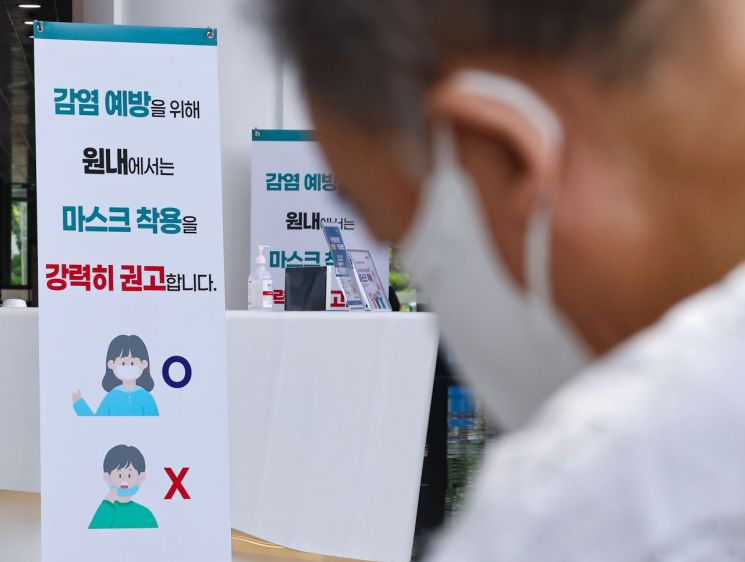
Recently, as COVID-19 cases have been rising in Asia, particularly in places like Hong Kong and China, there is growing caution in South Korea about the potential for another resurgence. According to the Korea Disease Control and Prevention Agency (KDCA) on May 28, the detection rate of COVID-19 in the “National Respiratory Virus Pathogen Surveillance System,” which analyzes samples from patients with respiratory symptoms, reached 8.6% in the 20th week of the year (May 11?17), an increase of 5.8 percentage points compared to the 19th week.
The medical community has also expressed concern over the spread of COVID-19 and is urging the public to adhere to personal prevention measures. The Korean Medical Association recently stated in a briefing, “Given the significant exchanges with Southeast Asia, there is always a risk of COVID-19 spreading again,” and advised, “We ask the public to recall the memories of the previous COVID-19 pandemic and to wear masks in places where many people gather.”
Meanwhile, the stockpiles of the COVID-19 treatments Lagevrio and Veklury, supplied by the KDCA, are expected to be depleted in the second half of this year. The government supply of another treatment, Paxlovid, will only continue until the end of this month.
In October last year, the government decided to apply national health insurance coverage to the oral treatment Paxlovid and the injectable Veklury, and to transition the supply of these treatments from a government-led system to private distribution channels. Lagevrio was not covered by national health insurance.
While it is normal and expected for the pharmaceutical distribution system to adapt to changing circumstances, some experts argue that if the risk of a COVID-19 resurgence increases, it would be prudent to maintain a certain stockpile as a precaution. Jung Jaehoon, a professor of preventive medicine at Korea University, stated, “In the long run, the government cannot continue to rely on stockpiles to respond,” but added, “Even if it is not at a scale sufficient for tens of millions of people, there needs to be a public discussion about appropriate preparedness.”
Concerns have also been raised about the overall lack of capacity to respond to infectious diseases. Kim Tak, a professor of infectious diseases at Soonchunhyang University, said, “The biggest problem right now is that there are not enough personnel to monitor the situation on the ground, even if an infectious disease spreads,” and explained, “There are too few specialists in respiratory and infectious diseases, and as even medical residents are leaving the field amid ongoing conflicts between doctors and the government, our ability to respond has significantly declined compared to the COVID-19 crisis.”
© The Asia Business Daily(www.asiae.co.kr). All rights reserved.

















