Applicable to those born in 1971 and later... Complaints of "unfairness"
Unions and others oppose "delayed pension benefits"
On May 22 (local time), the Danish parliament passed a bill to raise the retirement age to 70 within 15 years, making it the highest in Europe. Denmark will become the country with the highest retirement age in Europe.
The BBC reported on the same day that the Danish parliament passed the retirement age extension bill with 81 votes in favor and 21 against. The current retirement age is 67, but it is scheduled to rise to 68 in 2030 and to 69 in 2035. The retirement age of 70 will apply to citizens born after December 31, 1970.
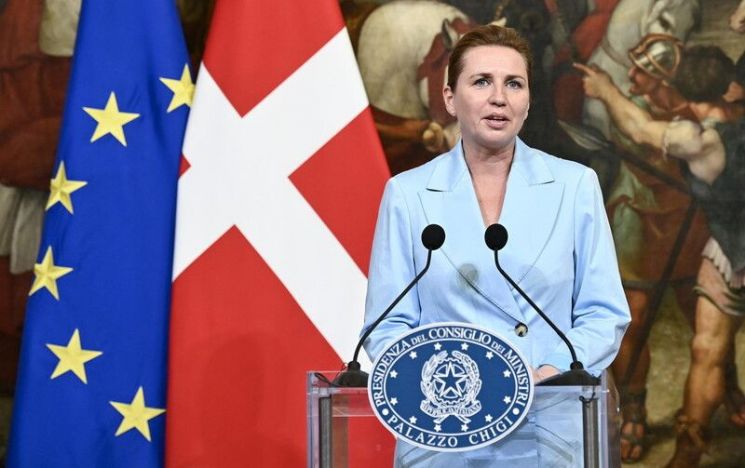
However, Prime Minister Mette Frederiksen of the Social Democratic Party stated last year that the gradual extension of the retirement age needs to be adjusted. She said, "We no longer believe that the retirement age should automatically increase," and added, "We cannot simply tell people that they must work one more year." There are also concerns that blue-collar workers, who do more physical labor compared to office workers, will feel a greater burden from the increase in the retirement age.
A Danish citizen in his 40s who works as a roofer also told local media that this is "unreasonable." He said, "We cannot work forever," and added, "I have paid taxes all my life, and I also need time to spend with my children and grandchildren."
In the capital city of Copenhagen, labor union protests against the retirement age increase have continued for several weeks. Jesper Ettrup Rasmussen, president of the Danish Trade Union Confederation, said, "Denmark has the highest retirement age in the European Union (EU) despite having a robust economy," and added, "Raising the retirement age means that people will lose their right to a dignified old age."
Retirement ages vary across European countries, but many have adjusted the timing of retirement in recent years. In 2023, France raised its retirement age from 62 to 64, which sparked massive protests and riots. President Emmanuel Macron pushed the bill through based on a constitutional provision, bypassing a vote in the lower house.
In Sweden, the minimum age to receive a pension is 63. In Italy, it is 67, but like Denmark, it can be adjusted based on life expectancy and may be raised next year. In the United Kingdom, those born between October 6, 1954, and April 5, 1960, can receive a pension from age 66, but for those born later, the retirement age will gradually increase.
Meanwhile, in South Korea, the age to start receiving the national pension was previously 60, but pension reform raised it to 61 in 2013, and it has been increasing by one year every five years since. This year, people can receive the national pension from age 63, and starting in 2033, only those aged 65 or older will be eligible.
© The Asia Business Daily(www.asiae.co.kr). All rights reserved.

















