Proactive Response to Extreme Weather:
Operation of the Storm and Flood Disaster Countermeasure Headquarters from May to October
Establishing a Four-Stage Safety Management System:
Prevention, Preparation, Response, and Recovery for Storm and Flood Safety
Strengthening Measures for Structural Issues in Semi-Basement Households and River Overflows:
Expanding Permanent Disaster Prevention Facilities as a Key Goal
According to the Korea Meteorological Administration, this year’s precipitation is expected to be 40% higher and temperatures 60% higher compared to the annual average.
Gwanak-gu (District Mayor Park Junhee) is taking preemptive action to protect the lives and property of residents from summer storm and flood disasters.
The district has designated the period from May 15 to October 15 as the “Storm and Flood Disaster Countermeasure Period” to actively respond to localized heavy rainfall and typhoons caused by climate change. During this period, the Disaster and Safety Countermeasure Headquarters will be operated, and the district has entered a full emergency response system.
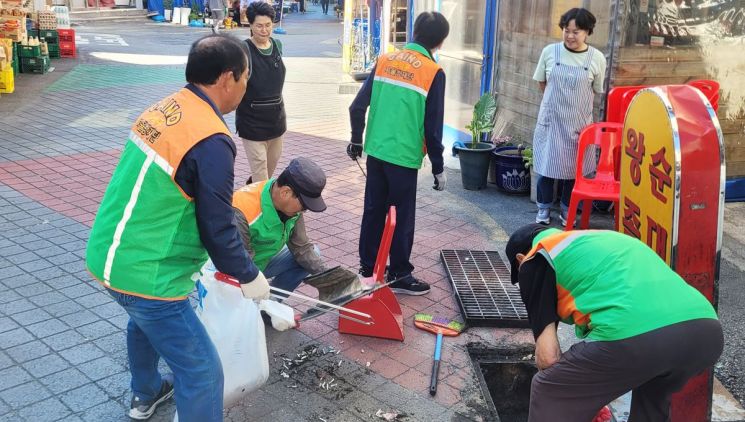
In particular, the district is implementing structural measures to prevent flood damage by installing flood barriers and backflow prevention devices in 1,458 households at risk of flooding this year. Additionally, 1,625 storm drains in the area have been assigned identification numbers via QR codes, establishing a system that enables swift and convenient handling of everything from civil complaints to on-site response.
Furthermore, the district is expanding the operation of the “Companion Partners” program this year, consisting of 284 care officials and 448 residents. The “Care Call SOS” service for semi-basement households is also being operated, allowing responsible officials to communicate emergency situations and provide evacuation guidance to target households when risks arise, thereby strengthening the communication system for disaster-vulnerable groups.
To this end, the district has established a four-stage safety management system: ▲prevention ▲preparation ▲response ▲recovery, and has prepared detailed measures for each stage to minimize damage.
First, in the “prevention stage,” from February to April, inspections and repairs were completed for 735 major facilities such as ▲large construction sites ▲projecting signboards ▲stormwater pumping stations, as well as 145 flood-prone areas where there is a risk of casualties due to typhoons and heavy rainfall.
In particular, to minimize flood damage caused by the overflow of Dorimcheon due to insufficient drainage cross-section, the district plans to enhance structural response capabilities by expanding permanent disaster prevention facilities as a mid- to long-term goal. As a priority, cross-section expansion work is underway beneath the Sillim public parking lot and at Byeolbitnaerincheon.
In the “preparation stage,” flood prevention facilities have been installed in 501 semi-basement households in low-lying areas at risk of flooding. By utilizing QR codes, residents can easily check installation, usage, and management methods, thereby improving the efficiency of on-site response.
Additionally, 2,079 water pumps and 39,535 sandbags have been pre-deployed in areas at risk of flooding to enable rapid response during heavy rainfall. For storm drains in low-lying and flood-prone areas, 941 management personnel and 12 dedicated managers have been assigned, establishing a management system that enables intensive inspection and maintenance.
In the “response stage,” a “River Patrol Team” consisting of 160 members from the public, private, and police sectors is operated to detect risks of river overflow in advance and inspect safety-vulnerable areas. To strengthen on-site response, the district operates ▲mobile field teams ▲flood control bases ▲integrated forward bases by region, and plans to respond in an integrated manner to protect residents’ lives and minimize damage.
In the “recovery stage,” integrated support headquarters and local support headquarters are established to strengthen real-time information sharing and coordinated response, ensuring prompt and efficient recovery from damage.
Park Junhee, Mayor of Gwanak-gu, said, “Due to the climate crisis, the risks of localized heavy rainfall and typhoons are increasing every year. This year as well, we will establish a seamless response system from preemptive prevention to post-disaster recovery with the goal of zero casualties, and continuously strengthen a disaster prevention system together with residents to make Gwanak-gu an even safer city.”
© The Asia Business Daily(www.asiae.co.kr). All rights reserved.

















