Stress Mortgage Rate of 1.5% to Be Applied in the Metropolitan Area
Outer Areas Expected to See Weakened Buyer Sentiment
Last-Minute Demand Likely Ahead of Regulation
Limited Impact on Gangnam Due to Low Loan Dependence
Starting in July, the third phase of the Stress Total Debt Service Ratio (DSR) will be implemented, reducing the mortgage loan limits for homes in the Seoul metropolitan area. Amid growing concerns in the market, experts predict that it will be difficult to reverse the upward trend in housing prices in the metropolitan area through loan regulations alone, as the issue of supply shortages is becoming a reality and the possibility of a base interest rate cut remains. In particular, they expect the impact on the Gangnam area of Seoul, where dependence on loans is low, to be limited, and foresee a further deepening of polarization between prime locations and other areas.
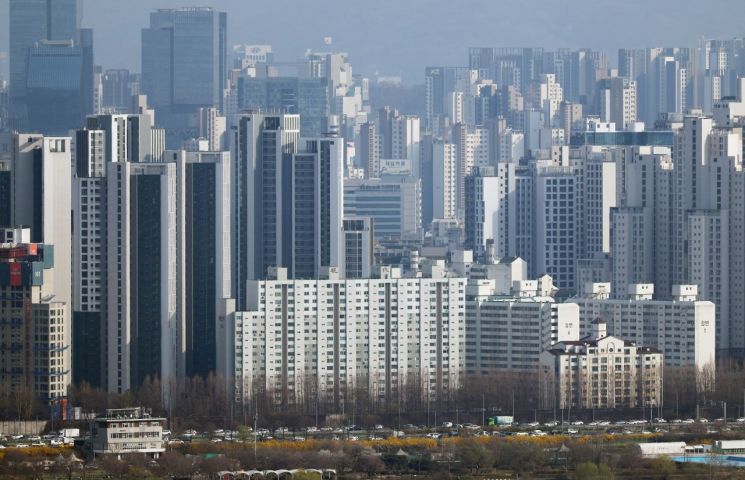 View of apartments in Seocho-gu and Gangnam-gu areas near the Han River in Seoul. Photo by Yonhap News
According to the relevant industry on the 21st, financial authorities have decided to apply an additional 1.5% interest rate (stress rate) to all household loans starting July 1. The stress DSR is a system that reduces loan limits by adding a stress rate when assessing a borrower's repayment ability. It was introduced to minimize the risk of future interest rate fluctuations. In September last year, the second phase regulation was implemented, applying a stress rate of 1.2% to household loans in the metropolitan area and 0.75% in non-metropolitan areas.
With the implementation of the third phase DSR, the mortgage loan limit is expected to be reduced by 3-5% compared to the previous level. For example, if a borrower with an annual income of 100 million won takes out a 30-year mortgage with a mixed interest rate (5-year fixed, then variable), and equal principal and interest repayment at an interest rate of 4.2%, the loan limit under the second phase regulation would be 630 million won, but under the third phase it would decrease to 590 million won. However, financial authorities have decided to defer the application of the regulation for non-metropolitan areas until the end of the year and maintain the current second phase stress rate of 0.75%.
◆ Transaction contraction expected in the metropolitan area and outer Seoul... No impact on Gangnam
Experts unanimously stated that the impact of this regulation on high-value real estate markets such as Gangnam in Seoul would be limited. This is because the prime market is dominated by wealthy cash buyers who purchase with their own capital, so loan regulations do not affect them.

Yang Jiyeong, head of Asset Management Consulting at Shinhan Investment & Securities, said, "The Gangnam real estate market has already been reorganized into a market where those with sufficient assets own a 'smart single home.' If you look at the actual transaction disclosure system, a significant number of these buyers are making purchases in cash without loans, so they will not be greatly affected by loan regulations."
Kim Jaekyung, head of Tumi Real Estate Consulting, also explained, "The Gangnam real estate market is an area where buyers use their own capital rather than relying on loans, so the DSR regulation does not have a significant impact. Even with the third phase DSR, the reduction in loan limits will be only about 30 to 50 million won."
On the other hand, the impact on outer Seoul and the metropolitan area is expected to be significant. These are areas where actual demanders with relatively low cash reserves are concentrated, so if loan limits are reduced, purchasing sentiment may weaken.
Yoon Sumin, real estate specialist at NH Nonghyup Bank, predicted, "Gyeonggi Province is expected to be hit harder than Seoul. In particular, transactions will shrink for newly built apartments in the metropolitan area, where average incomes are lower and loan limits have a decisive impact on purchases."
Last-minute demand before regulation... Concerns about shrinking homeownership opportunities for young people
There are also predictions that there may be a temporary surge in last-minute demand in outer Seoul and the metropolitan area before the third phase DSR is implemented. Since the previous second phase regulation will apply to new transactions completed before July 1, there may be an increase in people rushing to close deals to avoid a reduction in loan limits.
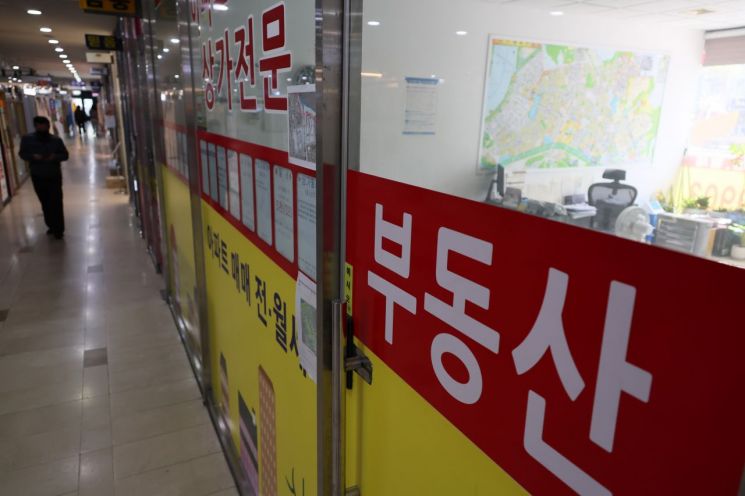
Kim Inman, head of Kim Inman Real Estate Economics Research Institute, said, "There will likely be an increase in buyers advancing their home purchases, especially in Gyeonggi Province and Incheon. Transaction volumes in these areas are expected to rise somewhat until June, before the regulation takes effect."
Some are concerned that this regulation could actually become a negative factor that blocks real homebuyers from owning homes. Newlyweds and young people with low cash reserves could be hit hard if their loan limits are reduced under the third phase DSR regulation.
Yang, the chief consultant, said, "The DSR is a necessary regulation to curb overheated speculative demand and manage household debt soundness. However, for young people and newlyweds, who are highly dependent on loans, a reduction in loan limits means lost opportunities to buy homes in better locations." He added, "Rather than applying the third phase DSR uniformly to all borrowers, detailed adjustments such as exceptions for young people are needed."
Interest rate cuts and supply shortages... Loan regulations alone are insufficient to curb housing prices in the metropolitan area
Experts commonly believe that the third phase DSR alone is insufficient to curb the upward trend in housing prices in the metropolitan real estate market. The supply shortage that is materializing in the metropolitan area and the ongoing trend of base interest rate cuts are expected to act as long-term drivers pushing up housing prices.
Yoon, the real estate specialist, said, "The base interest rate is on a gradual downward trend, and there is even the possibility of additional cuts within the year. Since the effect of loan regulations could be offset by interest rate cuts, the impact of the third phase DSR on the overall metropolitan market is expected to be limited."
Ham Youngjin, head of Real Estate Research Lab at Woori Bank, said, "The third phase DSR regulation could help prevent reckless borrowing, which would have a positive effect on reducing speculative transactions. However, the decrease in apartment listings in Seoul and rising rents are leading to an upward trend in housing prices, and with the market still expecting interest rate cuts, demand for home purchases is unlikely to shrink rapidly."
© The Asia Business Daily(www.asiae.co.kr). All rights reserved.

![Clutching a Stolen Dior Bag, Saying "I Hate Being Poor but Real"... The Grotesque Con of a "Human Knockoff" [Slate]](https://cwcontent.asiae.co.kr/asiaresize/183/2026021902243444107_1771435474.jpg)

















