Emoticon Meanings Change Across Generations
"Smile" Can Also Symbolize Mockery or Ridicule
There has been a warning that emoticons, which are often used to express emotions in a short and simple way instead of long and complicated words, can lead to misunderstandings as their interpretations differ across generations. For example, while a smiling 'smile' emoticon was used by older generations to convey a purely positive meaning, for Generation Z (those born between 1997 and 2006), it can symbolize mockery, ridicule, cynicism, or irony, so caution is needed.
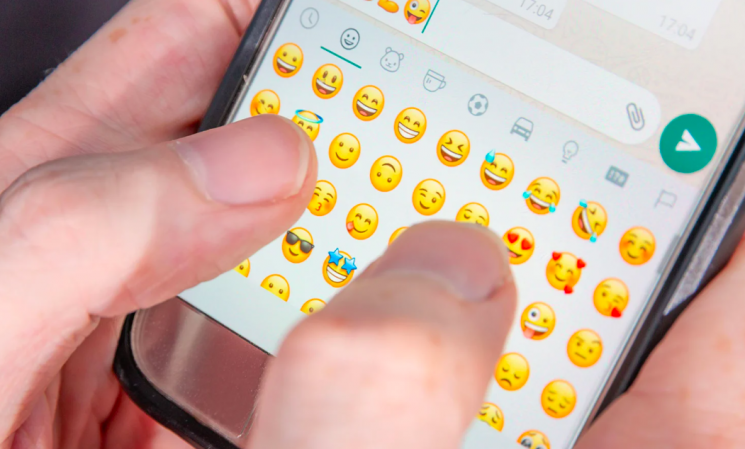 Experts have expressed the opinion that emoticons, which were used to express emotions, should be used cautiously as their interpretations vary across generations.
Recently, international media outlets such as the New York Post and the Wall Street Journal (WSJ) have analyzed that for the 'digital native' generation who grew up with digital technology, emoticons can carry a variety of meanings.
Amit Kalley, founder of the U.S. family support website 'For Working Parents,' explained to the New York Post, "The basic emoticons that teenagers commonly use on social networking services (SNS) like Instagram have meanings that are completely different from what we might think."
The New York Post pointed out, "The yellow smiling face 'smile' emoticon is interpreted in a completely different way by those under 30," and added, "It can be used to ignore or blatantly mock someone, so sending this emoticon to someone could hurt their feelings."
The WSJ also reported, "While people in their 30s use basic emoticons to express happiness or positivity, among teenagers and those in their early 20s, the same emoticon can be interpreted as an aggressive gesture, as if the other person is trying to lecture them."
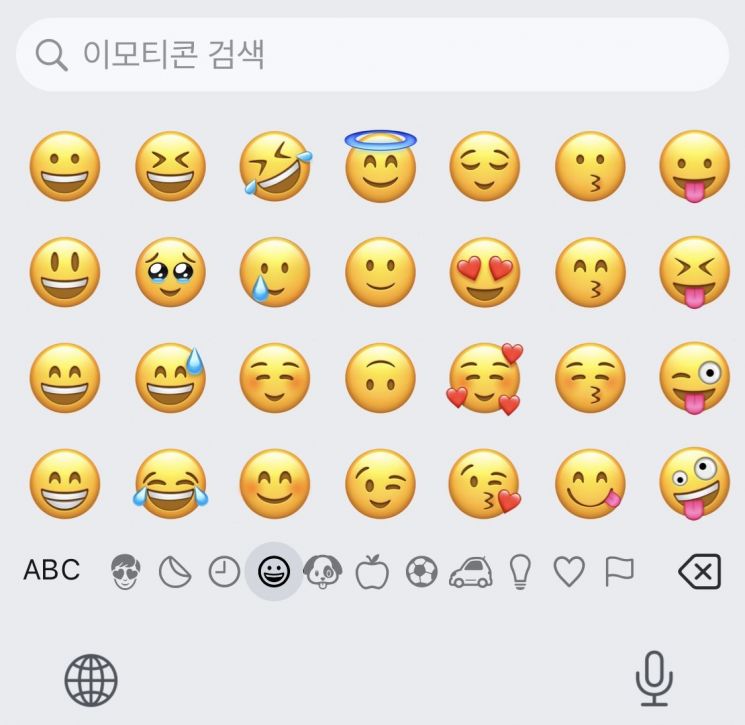
Hafijat Bishi, 21, who works at a media company in Brooklyn, told the WSJ, "When I first joined the company, I was confused when colleagues sent me the basic smiling emoticon." Bishi emphasized, "I felt ignored. It didn't feel like a genuine smile, but rather like a side glance. I had to consider that my colleagues were older. I use this emoji to convey sarcasm."
Besides the smiling emoticon, there are other emoticons whose interpretations differ by generation. The Daily Mail reported that while older generations use the 'sparkle' or 'thumbs up' emoticons to express gratitude or happiness?positive emotions?Generation Z uses them in a more cynical tone.
Erica Dhawan, author of 'Digital Body Language: How to Build Trust and Connection, No Matter the Distance,' explained, "Those over 30 interpret basic emoticons at face value, but Generation Z understands these emoticons within a completely different system of meaning."
© The Asia Business Daily(www.asiae.co.kr). All rights reserved.


















