Ulsan Education Digital Museum Receives Donations of Graduation Photos and Principal's Autobiography
Experts, Researchers, and Citizens Actively Participate in Closed School Records Restoration Project
The Ulsan Education Digital Museum, led by Director Song Myungsook, is reviving an important chapter in the history of education in Ulsan by uncovering records of Yongjam Elementary School, which disappeared amid Ulsan’s industrialization.
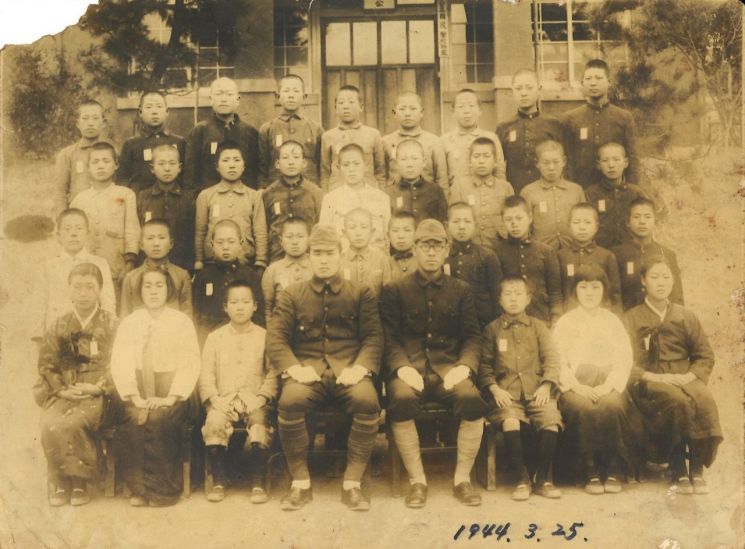 Records of Yongjam Elementary School closed due to pollution issues. Provided by Ulsan Office of Education
Founded in 1939 in Yongjam-dong, Nam-gu, Ulsan, Yongjam Elementary School was the first school in Ulsan to fall victim to pollution, closing its doors in 1977 due to industrial pollution that accompanied the development of the Ulsan Industrial Center. Located near a power plant at the time, the school suffered from pollution for nearly a decade before being forced to close as residents relocated, marking a painful chapter in local history.
As part of its ongoing “Closed School Records Collection Project” this year, the Ulsan Education Digital Museum has secured a large number of items related to Yongjam Elementary School, including graduation photos, alumni association materials, and historical records.
This collection effort began with the voluntary participation of Kang Youngsook, a 23rd graduate of Yongjam Elementary School who is now a member of the Munsu Silver Welfare Center press corps. She donated school exam papers, certificates of appointment, report cards, and took the lead in searching for former alumni and collecting materials.
Jang Sungwoon, director of the Uljoo Regional History Research Institute, also contributed to the record recovery by donating the autobiography “Chungyemanbo” written by Lee Jaeman, a former principal of Yongjam Elementary School. The book provides detailed accounts of the school’s transformation after liberation, the structure of the buildings, changes to the direction of the flagpole, and other historical scenes. Notably, Principal Lee’s second daughter, Lee Jungmi, later became the youngest justice of the Constitutional Court, drawing additional attention.
In addition, local history researcher Park Chaeun contributed to the restoration of records by providing additional graduation photos and information on the school’s status.
The Ulsan Office of Education is establishing this citizen-participatory record restoration as the nation’s first educational museum operation model. Currently, a team of 24 citizen supporters, including citizens, teachers, and experts, is actively involved in the entire process, from discovering records to organizing and digitizing them.
Director Song Myungsook stated, “What is not recorded is not remembered,” and called for active citizen participation to restore and preserve Ulsan’s valuable educational history.
Donations and reports of records can be submitted to the Ulsan Education Digital Museum or via email.
© The Asia Business Daily(www.asiae.co.kr). All rights reserved.

















