About One-Seventh Compared to 2015
"Rainfall Contributed to Decrease in Contaminated Water Generation"
The average daily amount of contaminated water generated at the Fukushima Daiichi Nuclear Power Plant in Japan during fiscal year 2024 (April 2024 to March 2025) was approximately 70 tons, marking the lowest level ever recorded.
On May 19, Japan's public broadcaster NHK reported, "Compared to fiscal year 2015, when the average daily generation of contaminated water was at its highest, the current figure has decreased to about one-seventh (approximately 14%) of that amount."
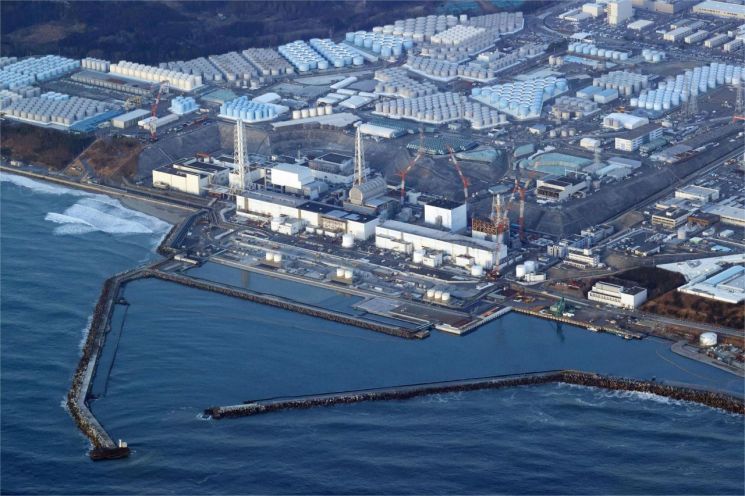
At the Fukushima Daiichi Nuclear Power Plant, contaminated water continues to be generated due to water injected to cool the melted nuclear fuel debris following the 2011 Great East Japan Earthquake, as well as groundwater and rainwater flowing into the damaged reactors.
NHK analyzed that, in addition to existing measures to suppress groundwater inflow, the fact that rainfall was only about two-thirds of the average year also contributed to the reduction in the amount of contaminated water generated. Tokyo Electric Power Company (TEPCO), which operates the Fukushima Daiichi plant, plans to reduce the average daily amount of contaminated water to between 50 and 70 tons by fiscal year 2028.
Since August 2023, TEPCO has been discharging treated water?purified contaminated water?into the ocean under the name "treated water."
So far, TEPCO has disposed of approximately 94,000 tons of contaminated water through 12 rounds of discharge. As of May 1, the amount of contaminated water at the Fukushima Daiichi Nuclear Power Plant stood at 1,275,000 tons. This represents a 5% decrease compared to the 1,336,000 tons stored just before the start of the discharges.
© The Asia Business Daily(www.asiae.co.kr). All rights reserved.

















