Agreement Rate for Single Parent Childbirth Among People in Their 20s and 30s Rises Every Year
The number of men and women in their 20s and 30s who think positively about "single parent childbirth"?having children without getting married?is increasing. In particular, the rate of increase in agreement among women is greater than that among men.
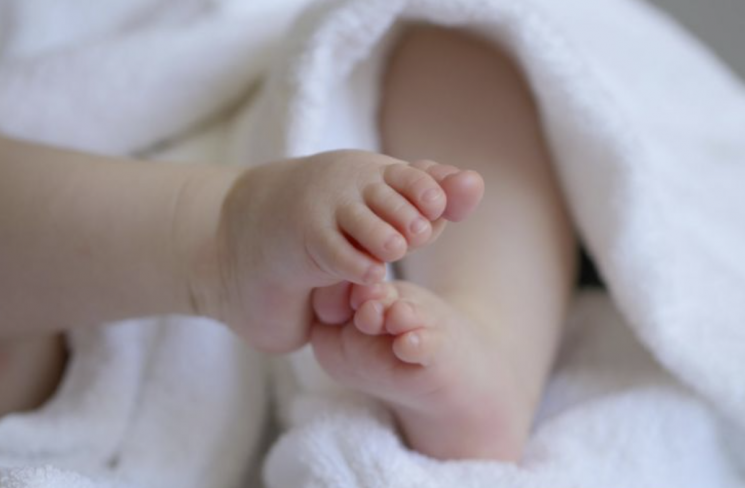 The number of men and women in their 20s and 30s who think positively about "single parent childbirth" is increasing. Pixabay.
According to research conducted by the Korean Women's Development Institute at the request of the Presidential Committee on Low Fertility and Aging Society, released on May 19, the agreement rate for single parent childbirth among people in their 20s and 30s has been rising every year.
Based on data from the National Statistical Office and other sources, the Korean Women's Development Institute reconstructed the agreement rates for single parent childbirth. Among men in their 20s, the agreement rate rose from 32.4% in 2008 to 43.1% last year. Among women in their 20s, it increased from 28.4% to 42.4%. During this period, the increase in agreement among women in their 20s (14 percentage points) was greater than that among men (10.7 percentage points).
For those in their 30s, the agreement rate among men rose from 28.7% in 2008 to 43.3% last year, and among women, it increased from 23.9% to 40.7% over the same period. Similarly, the increase among women in their 30s (16.8 percentage points) was greater than that among men (14.6 percentage points).
There was also an increase in agreement with cohabitation without marriage. Among men in their 20s, only 67.2% agreed with cohabitation without marriage in 2008, but last year, 81.1% responded that it was acceptable. For women in their 20s, the rate rose from 55.6% to 81.0%, showing a larger change (25.4 percentage points) than men (13.9 percentage points). In their 30s, the increase in agreement with cohabitation without marriage was also more pronounced among women (from 50.1% to 78.3%) than among men (from 58.0% to 82.2%).
The researchers at the Korean Women's Development Institute explained, "Although the agreement rates for cohabitation without marriage or single parent childbirth are still higher among men than women, and higher among those in their 20s than those in their 30s, the differences are all narrowing."
According to the Ministry of Health and Welfare, as of 2022, the single parent childbirth rate in South Korea was 3.9%, which is significantly lower than the average single parent childbirth rate of 41.0% among OECD countries in the same year. However, the rate rose slightly to 4.7% the following year. As positive perceptions gradually increase, the government is considering policy support measures, viewing single parent childbirth as one possible solution to the low birth rate.
© The Asia Business Daily(www.asiae.co.kr). All rights reserved.

















