"Boiling Rice and Discarding the Water Can Reduce Arsenic by 60%"
"Soaking for Over 30 Minutes and Draining Also Helps"
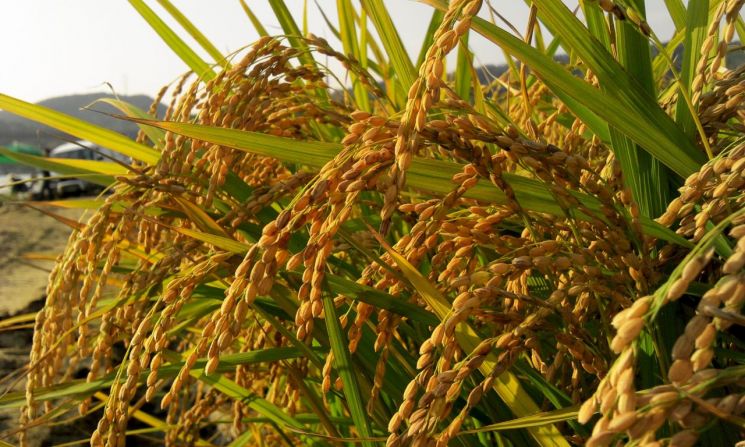
It has been found that more than 25% of rice sold in the United States contains heavy metals such as arsenic and cadmium at levels exceeding safety standards.
On May 15 (local time), CNN reported that the U.S. health organization "Healthy Babies Bright Futures" analyzed 145 rice products purchased from retail stores across the country and found arsenic in 100% of the samples.
The report stated that four toxic heavy metals?arsenic, cadmium, lead, and mercury?were detected in the rice. Although each contaminant affects health differently, they can all pose serious risks such as cancer and can contribute to developmental disorders, including reduced intelligence quotient (IQ).
The report also explained that, like other grains, rice absorbs heavy metals present in the soil, but it tends to accumulate especially high levels of highly toxic inorganic arsenic. Jane Houlihan, a co-author of the research report, pointed out, "The FDA set the standard for inorganic arsenic in infant rice cereal at 100 ppb in 2021, and since then, the inorganic arsenic content in those products has decreased by 45%. However, the FDA has not addressed the inorganic arsenic content in rice cooked and consumed at home."
In particular, the proportion of arsenic exposure from rice is significantly high among infants who consume rice-based baby food. For Asian children aged 18 to 24 months, rice accounted for about 55% of total arsenic exposure from their entire diet.
By rice type, brown rice was found to contain higher levels of arsenic than white rice. For U.S.-grown rice, brown rice samples contained 151 ppb of heavy metals, including 129 ppb of arsenic, while white rice samples contained 118 ppb of heavy metals, including 95 ppb of arsenic.
However, testing by origin showed that rice from California, Jasmine rice from Thailand, and Basmati rice from India consistently had lower total heavy metal content. The report advised that these varieties could be better choices for families seeking to reduce heavy metal exposure. California rice had the lowest heavy metal content at 65 ppb, including 55 ppb of arsenic, compared to rice from other regions.
The report also recommended cooking methods that can reduce heavy metal content. Cooking rice by boiling it in 6 to 10 cups of water per cup of rice and then draining the water can reduce arsenic content by up to about 60%. When using a rice cooker, it is advised to add extra water, partially cook the rice, drain the water, then add fresh water and finish cooking.
Additionally, soaking rice in water for more than 30 minutes or overnight and then draining the water before cooking can also help lower arsenic content.
© The Asia Business Daily(www.asiae.co.kr). All rights reserved.

















