As the U.S. Department of Commerce stated that the Chinese company Huawei's artificial intelligence (AI) chip 'Ascend' should not be used by any country in the world, the Chinese Ministry of Commerce criticized this stance and announced that it would take countermeasures.
He Yungchen, spokesperson for the Chinese Ministry of Commerce, said at a briefing on May 15, "The United States is abusing export control measures to impose baseless restrictions on China's chip industry, which seriously undermines the legitimate rights and interests of Chinese companies and threatens the stability of the global semiconductor industry and supply chain."
Spokesperson He added, "Such measures by the United States are not beneficial for the long-term, mutually beneficial, and sustainable cooperation and development of companies from both countries," and stated, "China urges the United States to immediately correct its wrongful actions and will take resolute measures to safeguard the legitimate rights and interests of Chinese companies."
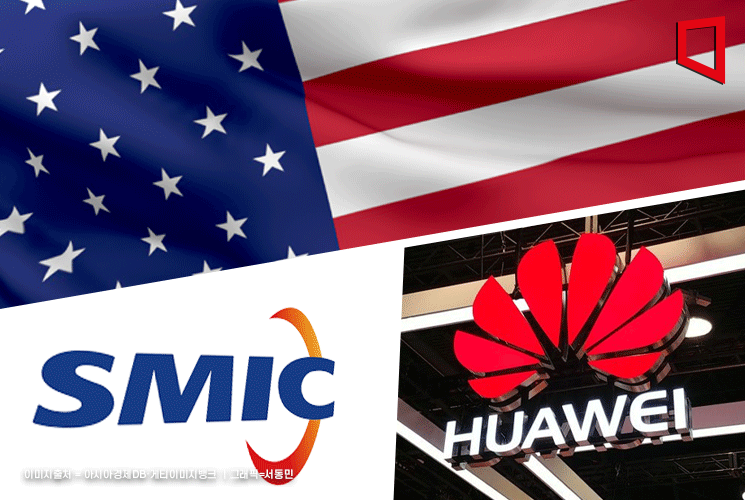
Previously, on May 13 (local time), the U.S. Department of Commerce's Bureau of Industry and Security (BIS) issued a statement officially announcing the repeal of AI export control policies based on country-specific classifications from the Biden administration. The BIS declared, "Using Huawei's Ascend chips anywhere in the world will be considered a violation of U.S. export controls."
The BIS also announced that it would warn the public about the consequences of using U.S. AI chips for training or inference of Chinese AI models. In addition, to counter China's strategy of acquiring advanced U.S. AI chips through third countries, the BIS released guidelines for U.S. companies on how to protect their supply chains.
During the same day's briefing, Spokesperson He also criticized the U.S. for imposing tariffs on imported automobiles and aluminum under Section 232 of the Trade Expansion Act, as well as launching a Section 232 investigation into imported pharmaceuticals. He described these actions as "typical unilateralism and protectionism," and urged the U.S. to promptly suspend the Section 232 tariff measures and to address the concerns of all parties appropriately through equal dialogue.
© The Asia Business Daily(www.asiae.co.kr). All rights reserved.

















