Buildings Without Bathtubs Gain Popularity with Shower Booths
Growing Perception Among MZ Generation That "Bathing Is a Hassle"
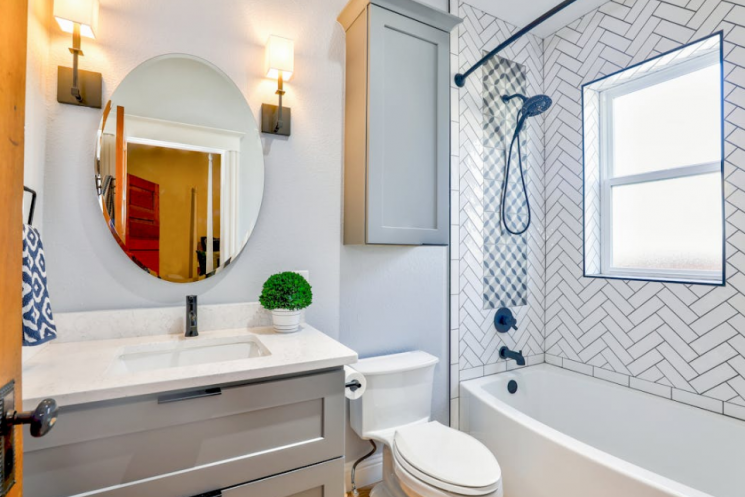
In major Japanese cities such as Tokyo, "bathtub-less" homes that offer only showers are gaining popularity. Despite Japan's culture of soaking in bathtubs, a new lifestyle is spreading among younger generations, who are increasingly prioritizing ease of cleaning and space efficiency. On May 12, Japanese media outlets including the Yomiuri Shimbun reported that more and more buildings in Japan are being constructed without bathtubs, instead installing shower booths.
For example, the recently supplied "Avande" micro-apartments by Shinoken Produce, each measuring 12 square meters, are notable for lacking both a bathtub and a balcony. Approximately 10,000 units have been supplied, mainly in prime locations near major train stations in Tokyo's 23 wards, with an occupancy rate reaching 98%. A man in his 30s who started living alone in Tokyo in 2021 explained that he chose an apartment without a bathtub because he "wanted to minimize hassle as much as possible." In addition, "Crevia Ryogoku Kokugikandori" by Itochu Urban Development, which offers bathtub-less units of around 30 square meters, sold out quickly.
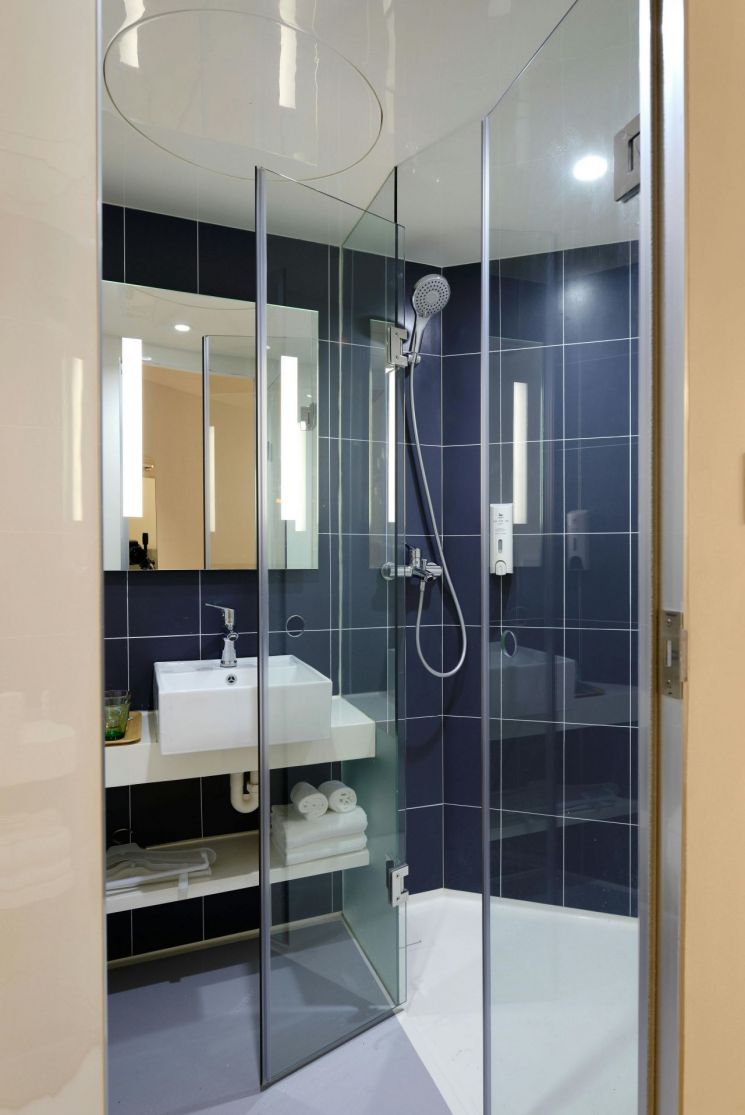
There is also a growing demand for renovations that remove bathtubs. Increasingly, leftover bathroom space from removing the bathtub is being converted into storage or a washing machine area. Housing products that offer the presence or absence of a bathtub as an option, as well as bathroom customization services, are also emerging. This culture of removing bathtubs is attributed to a rising perception among young Japanese people that bathing is bothersome.
According to a Japanese market research firm, 36% of respondents said that "bathing is bothersome," with the figure exceeding 40% among those in their 20s and 30s. Traditionally, daily bathing has been part of Japanese culture, but recently, a shower-centric habit that saves time and money has become established, especially among younger generations. When a bath is needed, people use nearby public bathhouses.
Experts analyze that this trend is likely to continue, as it coincides with the aging population and the increase in single-person households, and that homes without bathtubs are becoming a new standard. Bathtub-free shower rooms are also attracting attention for preventing bathroom accidents among the elderly and reducing the burden of caregiving. A research institute under the Ministry of Land, Infrastructure, Transport and Tourism conducted empirical studies on this topic from 2021 to 2023. This trend is spreading to other major cities such as Osaka, Nagoya, and Fukuoka. The real estate industry expects that bathrooms that are easy to maintain will influence future standards for housing design.
© The Asia Business Daily(www.asiae.co.kr). All rights reserved.


















