India Considers Imposing Import Tariffs on Certain U.S. Products
India, the world's second-largest steel producer, has begun preparing retaliatory measures in response to U.S. tariffs on steel and aluminum.
According to foreign media reports on May 13, the Indian government notified the World Trade Organization (WTO) the previous day that it is considering imposing import tariffs on certain U.S. products in response to the U.S. tariffs on steel and aluminum.
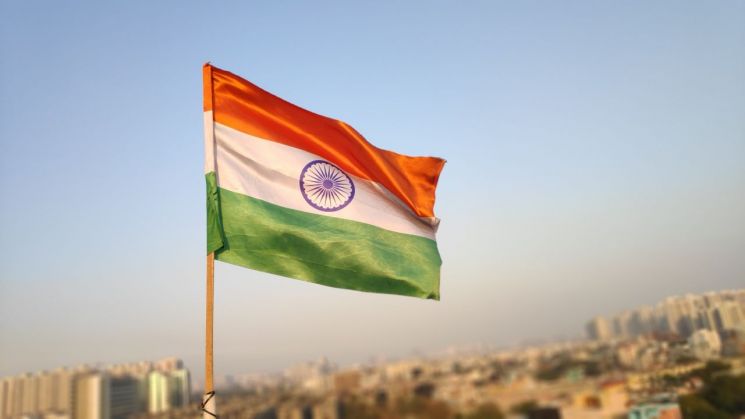
The Indian government argued in a document sent to the WTO that "the U.S. tariffs on steel and aluminum constitute safeguard measures (emergency import restrictions)" and "will have a negative impact on Indian exports."
India cited WTO regulations, stating that it "has the right to suspend concessions or other obligations on U.S. products," signaling the possibility of raising tariffs on specific U.S. goods. However, it did not specify which products would be subject to the tariffs.
President Donald Trump imposed a blanket 25% tariff on imported steel and aluminum in March. India, whose annual steel production is 180 million tons, ranking second in the world after China, has expressed concerns that the U.S. tariffs could hurt its exports. This move comes as India is in the midst of negotiations with the U.S. for a broad trade agreement.
During the last presidential election, President Trump called India "a very big villain in trade" and pledged to correct the imbalance through tariffs.
India currently runs an annual trade surplus of $45 billion (approximately 64.1 trillion won) with the United States.
Indian Prime Minister Narendra Modi, during a summit with President Trump at the White House in February, promised to conclude a trade agreement aimed at reducing the trade deficit, as well as to increase purchases of U.S. weapons and energy imports.
The United States announced a 26% reciprocal tariff on India ahead of a 90-day grace period, and it is reported that a settlement between the two countries is imminent. India, which had previously refrained from directly confronting U.S. pressure and had actively engaged in tariff negotiations, has now suddenly begun preparing retaliatory measures that could provoke the United States.
Ajay Srivastava of the Indian think tank Global Trade Initiative said, "India's move comes at a very sensitive time," and warned that "retaliatory measures could negatively affect negotiations with the United States."
© The Asia Business Daily(www.asiae.co.kr). All rights reserved.

















