Full Revision of Ordinance on May 8 to Identify and Support Vulnerable Households
Providing Integrated Services by Directly Visiting Residents in Need, Including Health and Welfare Counseling and Public-Private Service Linkage
Active Identification of Vulnerable Households, Promotion of Public-Private Cooperation, and Capacity-Building Training for Public Officials and Private Human Resource Networks
Expected to Eliminate Welfare Blind Spots and Enhance Residents' Perception of Welfare Services
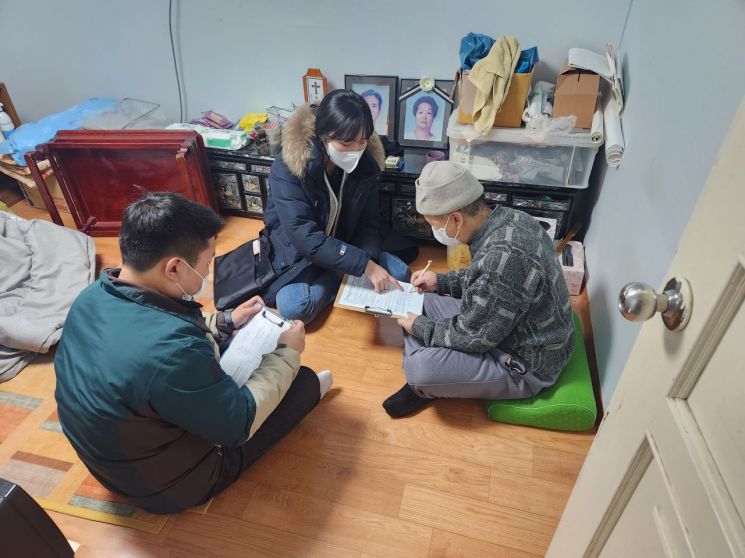
Seongdong-gu in Seoul (District Mayor Jung Wono) has become the first among Seoul's autonomous districts to officially codify the "Activation of Outreach Health and Welfare Services Project" through legislation in order to strengthen its welfare safety net.
On May 8, the district fully revised the ordinance concerning the identification and support of vulnerable households in Seongdong-gu, and promulgated the "Ordinance on the Activation of Outreach Health and Welfare Services in Seongdong-gu."
The "Outreach Health and Welfare Services" refer not only to measures necessary for identifying and supporting vulnerable households, but also to providing integrated services tailored to residents' needs by directly visiting those in need of social support, offering counseling, and connecting them with both public and private sector services.
In accordance with the ordinance, the district will establish an "Annual Basic Plan for Outreach Health and Welfare Services" each year. The district plans to focus on actively identifying vulnerable households, promoting public-private cooperation, and providing capacity-building training for responsible public officials and private human resource networks. These efforts aim to eliminate blind spots in welfare and improve residents' perception of welfare services.
Additionally, the district plans to appoint residents as collaborators in health and welfare services, provide various forms of support for their activities, and encourage participation and motivation in the project by awarding outstanding residents, organizations, and institutions.
Along with the ordinance revision, Seongdong-gu continues to implement field-oriented outreach welfare administration, such as operating the "Hope Welfare Counseling Center," which provides direct outreach, and the "Seongdong Welfare Integrated Counseling Center," which offers one-stop access to welfare information and services.
Programs aimed at building social networks for isolated households?such as park golf, side dish making, and horticulture?are also ongoing. These initiatives have led to positive outcomes, including an increase in the social network index, a decrease in loneliness scores, and a rise in both public and private support figures.
These efforts have been recognized externally as well. In 2024, the district received an Excellence Award in the "Provision of Outreach Health and Welfare Services" category in the Ministry of Health and Welfare's regional welfare project evaluation, and in April of this year, it was honored with the "Local Government Welfare Grand Prize" by the Korea Association of Social Workers.
Jung Wono, Mayor of Seongdong-gu, stated, "With this full revision of the ordinance, we expect to provide even more practical and integrated health and welfare services that can enhance residents' sense of efficacy." He added, "We will continue to build an inclusive city where everyone is happy, leaving no one in the care blind spot, based on public-private cooperation and resident participation."
© The Asia Business Daily(www.asiae.co.kr). All rights reserved.

















