Processed Food Prices Up 4.1% and Dining Out Up 3.2% in April
Ministry to Lower Rate of Processed Food Price Increases
Staggering and Deferring Timing of Price Hikes
The government has announced that it will continue to expand the list of food ingredient items eligible for tariff quotas in order to stabilize the rising prices of processed foods and dining out. In addition, to promote public food delivery apps with lower commission fees, discount coupons will be distributed starting next month.
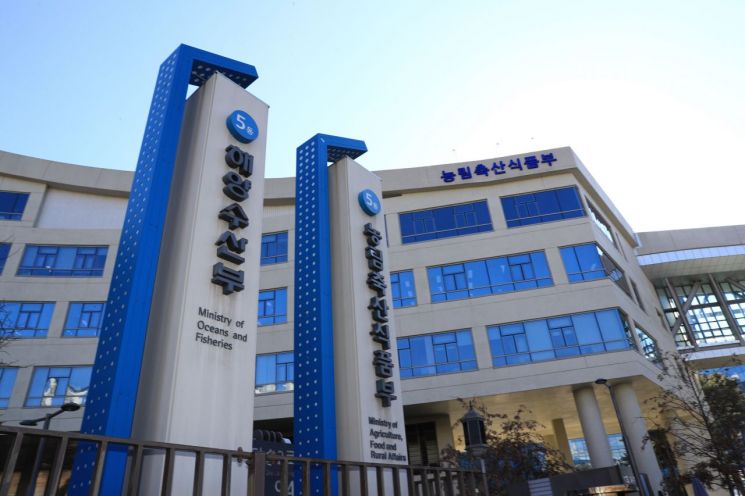
The Ministry of Agriculture, Food and Rural Affairs announced these measures in its "Agri-food Price Trends and Response Plan" on May 12.
Hong Ingi, Director of Distribution and Consumption Policy at the Ministry of Agriculture, Food and Rural Affairs, stated, "According to the April consumer price survey released by Statistics Korea on May 2, prices of agricultural and livestock products rose by 0.8% compared to the same month last year, indicating continued stability. However, prices of processed foods increased by 4.1%, and dining out prices rose by 3.2% year-on-year. In response, the ministry will make every effort to stabilize the supply and demand of agri-food products, including processed foods and dining out."
The ministry explained that the 4.1% increase in processed food prices was inevitable due to a combination of factors, including international raw material prices for items such as cocoa and coffee, exchange rates, and rising labor and public utility costs.
To ease the burden of raw material purchases for food companies, the ministry has continued to expand the number of items eligible for tariff quotas. As of May 1, tariff quotas have also been applied to 4,000 tons of processed egg products used as ingredients in confectionery and baking, increasing the number of food ingredient items eligible for tariff quotas from 13 at the beginning of the year to 21.
Additionally, the ministry is separately implementing a program to provide 450 billion won in raw material purchase funds to small and medium-sized food companies, and is also promoting tax and financial support measures such as exemption from import value-added tax. Alongside these efforts, the ministry is working to minimize consumer burden by holding meetings and prior consultations with the food industry to lower the rate of price increases for processed foods or to stagger and defer the timing of such increases.
The ministry believes that the rise in dining out prices is due to a combination of factors, including higher ingredient costs, labor costs, rent, and delivery app commission fees. To alleviate the burden of delivery app commissions for dining establishments, the ministry plans to use 65 billion won secured through a supplementary budget to provide discount coupons to consumers who use public food delivery apps (such as Ddaenggyeoyo and Meokgaebi, among 12 apps in total). Starting in June, consumers who place three orders of 20,000 won or more will receive a 10,000 won discount coupon, with the program targeting 6.5 million people.
To stabilize livestock product prices, which have risen by 4.8% compared to the previous year, the ministry will apply a 0% tariff quota to 10,000 tons of pork used as raw materials in processed foods, thereby increasing supply. In anticipation of increased consumption of livestock products during Family Month in May, the ministry will use livestock promotion funds to hold discount events at major retailers such as large supermarkets to reduce consumer burden.
Vegetable and fruit prices remain stable. A ministry official stated, "Greenhouse vegetable prices are also lower than last year," and predicted, "The stability in prices for apples and pears will continue until July, when new season fruits are shipped."
Director Hong added, "If there are suspicions of unfair trade practices such as price collusion, the government will conduct thorough investigations and impose strict penalties in cooperation with relevant ministries. Furthermore, the government will focus all available resources on stabilizing agri-food prices by intensively using the 120 billion won discount support budget secured through the supplementary budget during peak seasons such as Family Month, the summer vacation period, Chuseok, and Kimjang season, to help stabilize consumer-perceived prices."
© The Asia Business Daily(www.asiae.co.kr). All rights reserved.

















