Proportion of Transactions Exceeding Previous Record Highs
Gwacheon 62.5%, Gangnam 59%, Yongsan 46.2%
Decline Across the Seoul Metropolitan Area, Around 1% in Dobong, Nowon, and Gangbuk
Last month, in certain high-priced complexes in Gangnam-gu, Seoul, and Gwacheon-si, Gyeonggi-do, transactions at record-high prices accounted for more than half of all deals.
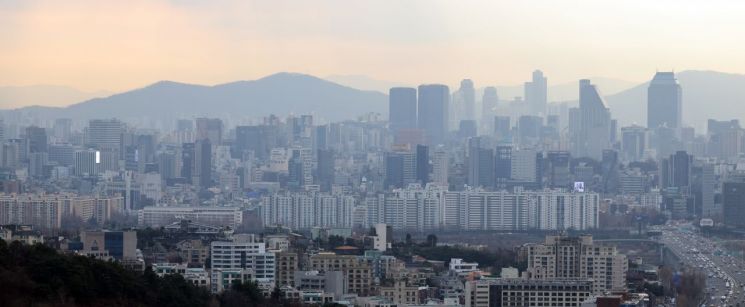
According to an analysis by Zigbang of the Ministry of Land, Infrastructure and Transport’s actual transaction price disclosure system on the 12th, 59% of transactions in Gangnam-gu, Seoul, exceeded previous record-high prices, marking the first time since April 2022 (53.7%) that this figure has been reached. In Gwacheon-si, Gyeonggi-do, 62.5% of all transactions during the same period were also recorded at new highs.
The proportion of record-high transactions across the entire Seoul metropolitan area fell from 9.10% in March to 5.97% in April. By region, the share decreased slightly in all areas: Seoul (from 18.75% to 15.44%), Incheon (from 2.97% to 2.55%), and Gyeonggi-do (from 3.75% to 3.08%). This decline is interpreted as a result of a wait-and-see attitude spreading in response to major policy and institutional changes, such as the re-designation of land transaction permission zones, the introduction of the third phase of the stress DSR scheduled for July, and the upcoming early presidential election, leading to a contraction in transactions.
Looking at the proportion of record-high transactions in major areas of Seoul, Yongsan-gu posted 46.2%, reflecting both the presence of high-end residential areas and expectations for development. Yangcheon-gu recorded 44.0%, a rise of more than 18 percentage points from the previous month (25.9%), driven by expectations for the Mok-dong New Town reconstruction project.
Seocho-gu recorded 33.3%, a slight decrease from the previous month, but continued to maintain a high proportion centered on expensive complexes. In addition, Songpa-gu (27.9%), Mapo-gu (26.0%), Gangdong-gu (22.8%), and Seongdong-gu (22.2%)?all major areas along the Han River and in the city center?also showed a record-high transaction share of over 20%.
In contrast, the outer districts of Seoul showed a different trend. Dobong-gu (0.9%), Gangbuk-gu (1.5%), and Nowon-gu (1.9%) all had a record-high transaction share of around 1%, remaining low.
In Gyeonggi-do, Gwacheon-si recorded the highest proportion in April, with 62.5% of all transactions at record highs. Transactions were concentrated in major high-priced complexes such as Gwacheon Prugio Summit, Raemian Surr, and Gwacheon Xi, with demand focused on high-end residential areas similar to Gangnam-gu.
Bundang-gu in Seongnam-si (15.7%) continued to see record-high transactions, particularly in medium-to-large apartments in Baekhyeon-dong, Pangyo, and in complexes undergoing remodeling in the first-generation new towns such as Sunae-dong and Seohyeon-dong. The combination of accessibility to Seoul and expectations for development led to selective buying in highly preferred locations.
Ojeong-gu (15.4%) and Sosa-gu (10.1%) in Bucheon-si saw record-high transactions mainly in established small- and medium-sized complexes with excellent access to Seoul.
In Incheon, overall transaction volume is declining, reflecting a wait-and-see stance. The highest proportion of record-high transactions in Incheon was in Michuhol-gu (7.5%). Some complexes saw price rebounds, driven by demand for new developments supplied through redevelopment projects and branded apartments near subway stations. In most other areas?Dong-gu (4.5%), Bupyeong-gu (4.4%), Seo-gu (1.9%), Namdong-gu (1.5%), Gyeyang-gu (1.1%), and Yeonsu-gu (0.7%)?the proportion of record-high transactions remained low.
Kim Eunsun, head of the Big Data Lab, explained, "In highly competitive, high-priced residential areas, pent-up demand continues to play a significant role and is driving the price recovery trend. The upward transactions in some high-priced complexes serve as anchor points that influence market expectations. Going forward, the trend of demand diverging depending on the location and product quality of individual complexes is expected to continue for the time being, amid a wait-and-see attitude toward external variables such as interest rates and policies."
© The Asia Business Daily(www.asiae.co.kr). All rights reserved.
![Clutching a Stolen Dior Bag, Saying "I Hate Being Poor but Real"... The Grotesque Con of a "Human Knockoff" [Slate]](https://cwcontent.asiae.co.kr/asiaresize/183/2026021902243444107_1771435474.jpg)











