A Sharp Rise in Malaria Cases in April
Cases Concentrated in Gyeonggi, Seoul, and Incheon
Gyeonggi Province Focuses Prevention Efforts on High-Risk Areas
This month, there has been a significant increase in the number of malaria cases in South Korea, prompting a need for heightened vigilance.
According to the Infectious Disease Portal of the Korea Disease Control and Prevention Agency on April 30, a total of 55 domestic malaria cases were reported from January to April this year. By month, there were 5 cases in January, 5 in February, 8 in March, and a sharp rise to 37 cases in April.
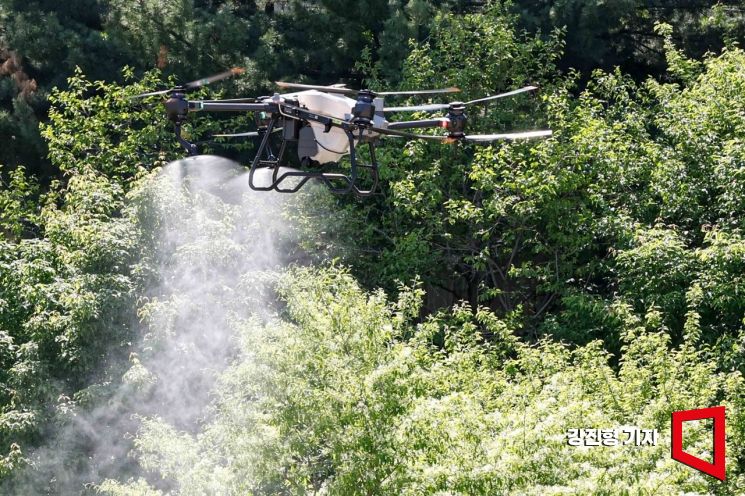 At Daechi Yusuji Sports Park, the Gangnam-gu Drone Disinfection Team is conducting mosquito control operations. This photo is provided to aid understanding of the article and is not directly related to the content.
Breaking down the number of cases by region up to April, there were 33 in Gyeonggi, 6 in Seoul, 4 in Incheon, and 3 in Gangwon. This is higher than the 34 cases recorded from January to April last year, when the annual total reached 713, and is similar to the 52 cases reported during the same period in 2023, when the annual total reached a 10-year high of 747 cases.
If the current trend continues, the number of malaria cases this year is expected to remain in the 700s for the third consecutive year. In South Korea, malaria typically shows a sharp increase from May, as the population of Anopheles sinensis mosquitoes, which transmit the disease, surges, and cases are concentrated between June and August.
The number of malaria cases in South Korea peaked at 2,556 in 2001. Afterward, the figure remained between 1,000 and 2,000 before dropping to 826 in 2011, then clearly declining to the 500-600 range. In 2020 and 2021, during the COVID-19 pandemic, cases decreased further to 385 and 294, respectively. However, as the COVID-19 situation eased and outdoor activities increased from 2022, case numbers began to rise again, from 420 in 2022 to 747 in 2023. Last year, the total again surpassed 700, reaching 713 cases.
The Gyeonggi Provincial Government attributes the sharp decline in malaria cases between 2008 and 2011 to joint inter-Korean quarantine efforts. However, since 2012, the number of cases has increased again due to the suspension of malaria control supply support projects resulting from strained inter-Korean relations, as well as abnormal weather conditions.
About 85% of domestic malaria cases occur in the Seoul metropolitan area, particularly in the northwestern part of Gyeonggi, including Paju, Goyang, and Gimpo. In Paju alone, there were 150 cases last year, accounting for 20% of the national total. To reduce the number of malaria cases, Gyeonggi Province has concentrated this year's malaria-related budget on the three high-incidence cities of Paju, Goyang, and Gimpo. In addition, from this month through October, the province is conducting a mosquito surveillance project to prevent malaria infection.
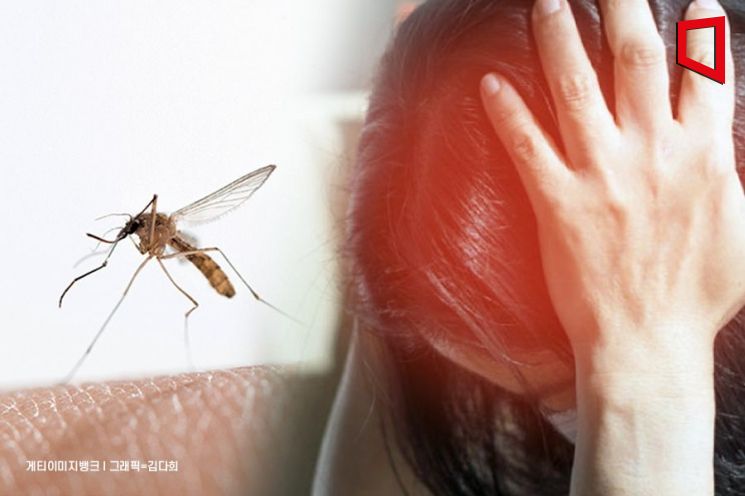
Meanwhile, malaria occurring in South Korea is vivax malaria, which is transmitted by female Anopheles mosquitoes infected with Plasmodium vivax. Unlike the tropical falciparum malaria found in tropical regions, vivax malaria has a lower fatality rate, but it can cause symptoms such as chills, fever, headache, and severe fatigue.
© The Asia Business Daily(www.asiae.co.kr). All rights reserved.


















