Ministry of Food and Drug Safety Announces Proposed Enforcement Decree for the Revised Medical Devices Act
Long-term follow-up required for high-risk implantable devices such as artificial joints and pacemakers
Public comments accepted until June 9; new safety management system to take effect on August 1
Medical devices that are implanted in the human body and have the potential to cause death or irreversible serious side effects will now be subject to long-term follow-up investigations.
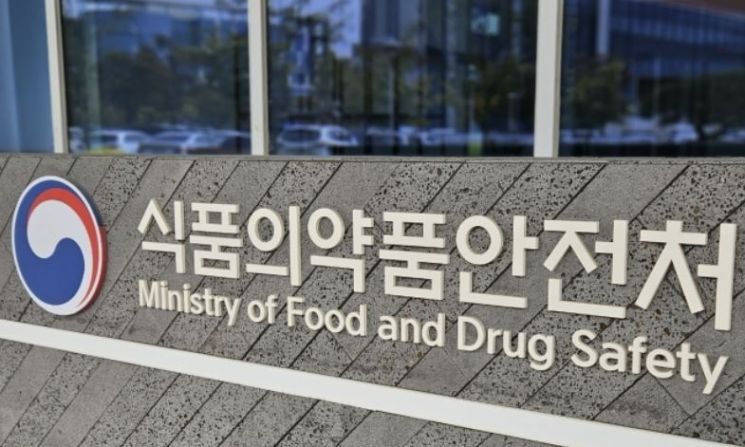
The Ministry of Food and Drug Safety announced on April 29 that it has issued for public comment the enforcement decree and enforcement rules specifying details of the revised Medical Devices Act, which was amended in January of this year. Public comments will be accepted until June 9.
The long-term follow-up investigation for medical devices is a system that designates certain devices with a high risk of frequent adverse effects after implantation in the human body. It requires participating medical institutions to submit real-world usage data for each designated product, enabling the early detection and prompt response to unexpected adverse events. Devices of concern include artificial joints, breast implants, and implantable cardiac pacemakers.
With the implementation of this system set for August 1, the revised regulations establish criteria for designating medical devices subject to long-term follow-up, as well as detailed procedures and methods for the collection, analysis, and evaluation of real-world usage data, including adverse effects.
Medical devices subject to long-term follow-up are those that, after implantation in the human body, have the potential to cause death or irreversible serious side effects, and for which long-term analysis of real-world usage data is necessary. The head of the Ministry of Food and Drug Safety will officially designate such devices. The Korea Medical Device Safety Information Institute is responsible for analyzing and evaluating real-world usage data collected from users participating in the long-term follow-up, and must report to the ministry every six months.
The revised regulations also establish the legal basis for detailed initiatives such as the Medical Device Day event, education, and public relations, as well as criteria for designating devices subject to long-term follow-up and new procedures and methods for collecting, analyzing, and evaluating real-world usage data. Previously, the ministry designated May 29 as Medical Device Day each year to promote the international status of Korean medical devices and to share the importance of medical devices, a future growth engine, with the public.
A ministry official stated, "We will prioritize public safety and swiftly prepare the detailed provisions delegated by law to ensure the smooth implementation of the newly introduced medical device safety management policies."
© The Asia Business Daily(www.asiae.co.kr). All rights reserved.

















