National Important Agricultural Heritage Sites:
From Preservation and Management
to Tourism Development
The 'Guduljang Rice Paddy' of Cheongsando, located in Wando County, South Jeolla Province, is a unique terraced rice field created by integrating traditional ondol (Korean floor heating) culture into agriculture and building it along the slopes. In spring, visitors can slowly walk along the canola-scented trail during the 'Cheongsando Slow Walking Festival' and experience the landscape shaped by the Guduljang Rice Paddy. With its unique cultural value, the Guduljang Rice Paddy was designated as the first National Important Agricultural Heritage in 2013.
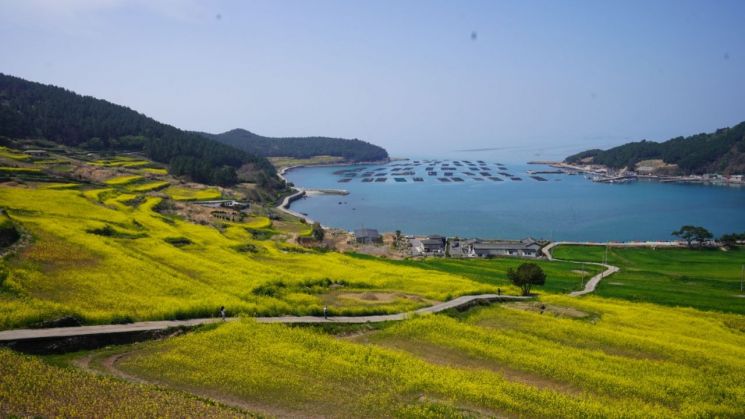
On the 30th, the Ministry of Agriculture, Food and Rural Affairs announced plans to develop a variety of products that connect National Important Agricultural Heritage sites with local festivals and existing tourism offerings, so that more people can enjoy them. The ministry is seeking ways to promote National Important Agricultural Heritage sites, such as the Cheongsando Guduljang Rice Paddy, to a wider audience and provide opportunities for direct experiences, moving beyond mere preservation and management to utilizing these sites as tourism resources.
The ministry introduced the National Important Agricultural Heritage designation system in 2012 to preserve traditional agricultural methods, maintain ecosystem sustainability, and inherit the unique cultural values of local communities. Agricultural resources, both tangible and intangible, that have been formed over a long period as farmers adapted to the local environment, society, and customs, are designated for preservation and management with national funding for three years. When a local government applies, the Agricultural Heritage Advisory Committee comprehensively evaluates the values of ▲historicity and sustainability, ▲livelihood maintenance, ▲unique agricultural techniques, ▲traditional agricultural culture, ▲distinctive landscapes, ▲biodiversity, and ▲community participation to recommend final candidates, which are then designated by the ministry. Starting with the 'Cheongsando Guduljang Rice Paddy' and 'Jeju Batdam' in 2013, a total of 19 sites, including Cheongyang Goji Berry Traditional Agriculture last year, have been designated as National Important Agricultural Heritage sites.
In particular, National Important Agricultural Heritage sites with globally recognized value are listed as Globally Important Agricultural Heritage Systems (GIAHS) by the Food and Agriculture Organization (FAO) of the United Nations. Currently, a total of seven regions, including the Cheongsando Guduljang Rice Paddy and Jeju Batdam, have been selected as GIAHS sites. This means that Korea's agricultural heritage is also recognized as a global heritage. In September this year, the 'East Asia Agricultural Heritage Council International Conference', involving countries such as Korea, China, and Japan that represent GIAHS sites, will be held in Jeju Island to discuss the succession and future development of traditional agricultural practices.
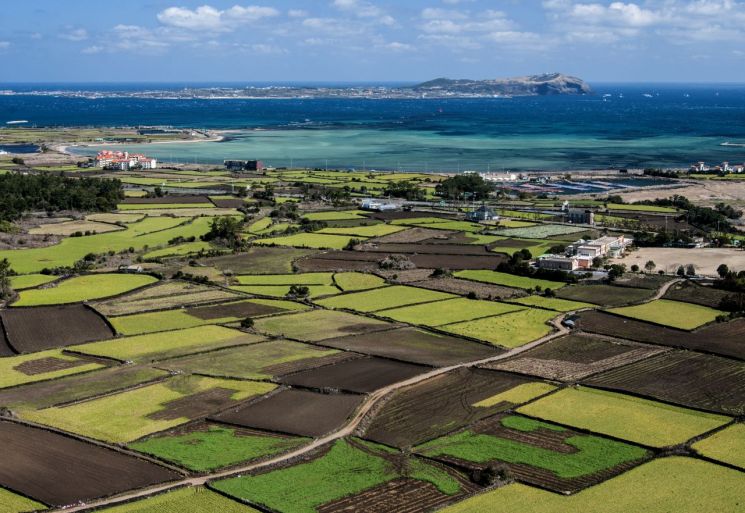
Each region designated as an agricultural heritage site is characterized by its own unique history and culture. By preserving traditional agricultural practices and local ecosystems, these sites offer visitors not just a trip, but a profound experience and a special opportunity to fully appreciate the local atmosphere. Jeju Batdam was designated as the second agricultural heritage site in the same year following the Cheongsando Guduljang Rice Paddy. In spring, as the entire island turns green, Jeju's Batdam?stone walls built by hand?creates a unique agricultural landscape formed by stone, soil, and human touch. To overcome the harsh natural environment, with abundant stones and strong winds, Batdam were constructed to block the wind and prevent soil erosion, fostering not only agricultural biodiversity but also a beautiful agricultural landscape.
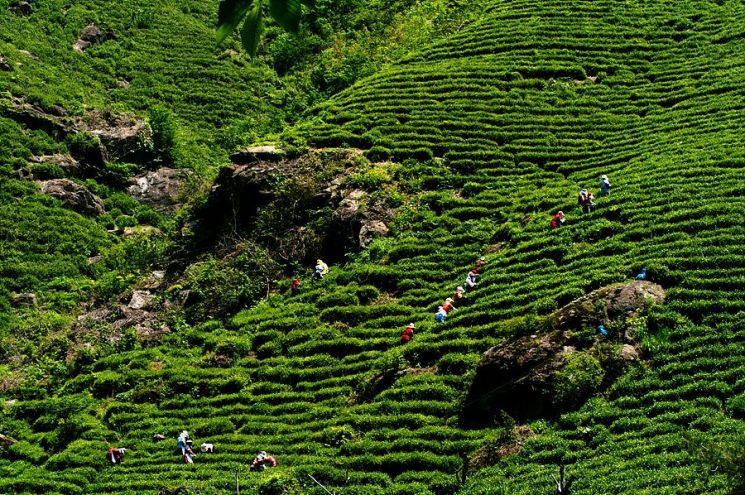
Hadong, a region renowned for traditional tea agriculture, has been a place for picking, roasting, and brewing tea leaves for hundreds of years. In spring, new leaves sprout in the tea fields stretching along the slopes of Jirisan, and the first harvest begins in the early morning mist. At the Hadong Wild Tea Culture Festival, held from May 2 to 5 this year, visitors can stroll through tea fields, inhale the aroma of tea, and savor the deep flavors of traditional tea.
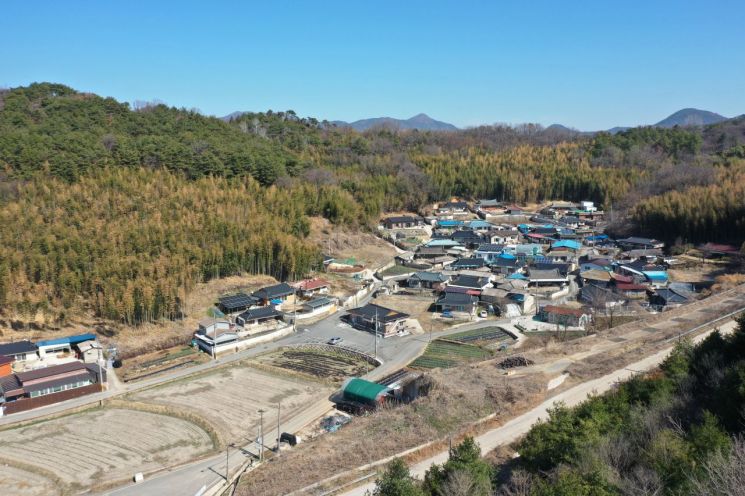
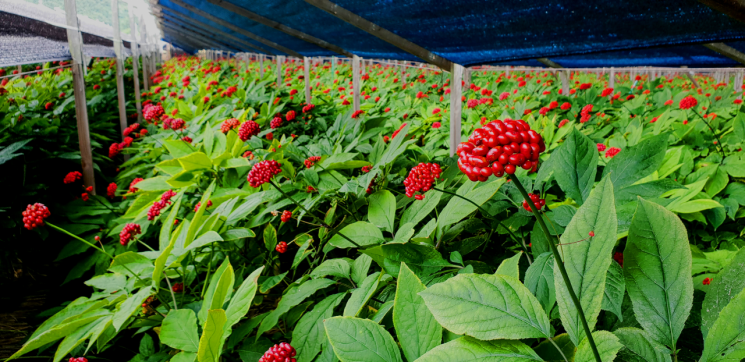
Damyang is a region rich in the fragrance of bamboo, where in spring, visitors can do more than simply view bamboo?they can experience the rice paddies and fields where bamboo grows, the hands-on care involved, and even the harvesting of bamboo shoots. The Bamboo Festival (May 2?6) features a variety of events, including bamboo craft workshops, traditional bamboo cuisine, music, and parades. Geumsan, famous for ginseng, allows visitors to observe the growth process of Geumsan ginseng firsthand in spring. Visitors can enjoy a variety of experiences themed around ginseng, taste various dishes made with ginseng, and share warm exchanges with local residents, gaining a sense of healing and the dedication of farmers.
A ministry official stated, "A K-Agro Heritage trip to agricultural heritage sites in spring is more than just sightseeing?it is a valuable opportunity to gain a deep understanding and experience of nature, culture, and local communities," and added, "We will continue to discover and promote both National Important Agricultural Heritage and Globally Important Agricultural Heritage sites so that more people can visit them in the future."
© The Asia Business Daily(www.asiae.co.kr). All rights reserved.



















