Financial Supervisory Service Employee Receives Hospitality Worth 670,000 Won from Financial Company, Faces Disciplinary Action
Administrative Court: "Risk of Significant Harm to the Fundamental Purpose of the Financial Supervisory Service... Disciplinary Action Appropriate"
The court has ruled that the Financial Supervisory Service's decision to dismiss an employee who demanded entertainment and received hospitality while inspecting a financial company, and subsequently rejected the employee's request for an internal review, was justified.
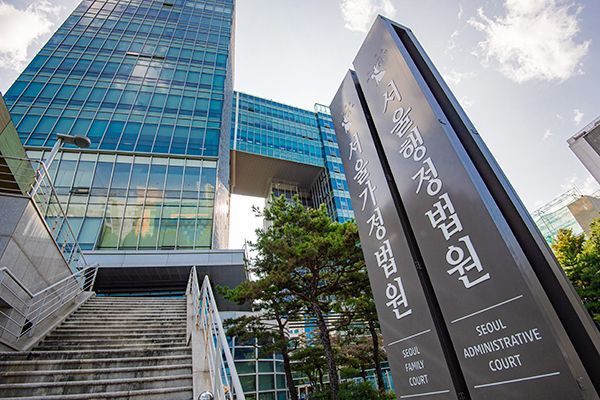
According to the legal community on April 28, the 11th Administrative Division of the Seoul Administrative Court (Presiding Judge Kim Junyoung) ruled in February in favor of the plaintiff in a lawsuit filed by the Financial Supervisory Service seeking to overturn the Central Labor Relations Commission's decision regarding the unfair dismissal review.
In December 2022, an employee of the Financial Supervisory Service, referred to as A, was notified of dismissal in April 2023 for demanding dinner and alcoholic entertainment from an insurance agency employee during an on-site inspection and receiving hospitality worth 670,000 won. Afterward, A filed for an internal review, but the Financial Supervisory Service rejected the request in June 2023, stating that no new evidence had emerged that could affect the internal review decision, and that there was no clear error in the application of the relevant regulations.
Subsequently, A applied for relief to the Seoul Regional Labor Relations Commission. The commission ruled that the dismissal by the Financial Supervisory Service constituted unfair dismissal, citing a "serious procedural flaw" due to the lack of a disciplinary review process. The Financial Supervisory Service appealed this decision to the Central Labor Relations Commission, but in January 2024, the Central Commission also ruled that the dismissal was unfair and dismissed the Financial Supervisory Service's appeal.
The Financial Supervisory Service then filed a lawsuit with the administrative court, claiming that the Central Labor Relations Commission's decision was unlawful. The Financial Supervisory Service argued that A's request for review did not meet the grounds for review as stipulated in the personnel management regulations, that convening a disciplinary committee was not a mandatory procedure, and that the rejection was lawful.
The administrative court accepted the Financial Supervisory Service's argument, stating, "It is difficult to see that A had grounds for review as specified in the personnel management regulations." The court explained, "A's claims in the review request merely argued that the facts underlying the disciplinary action were not valid or that the level of discipline was unfair, and A did not submit any new evidence that could have affected the disciplinary review decision."
The court further stated, "A already exercised the right to defense by appearing before the disciplinary committee of the Financial Supervisory Service and submitting necessary materials," and added, "The absence of grounds for review and the lack of a separate disciplinary review did not significantly affect A's ability to exercise the right to defense."
Meanwhile, regarding the fact that A received hospitality from a financial company, the court found that the level of disciplinary action was appropriate. The court stated, "There is a risk of causing significant harm to the morality, integrity, and fundamental purpose of the Financial Supervisory Service."
© The Asia Business Daily(www.asiae.co.kr). All rights reserved.

















