WSJ Reports: Key Categories Such as Tariffs and Quotas Systematized
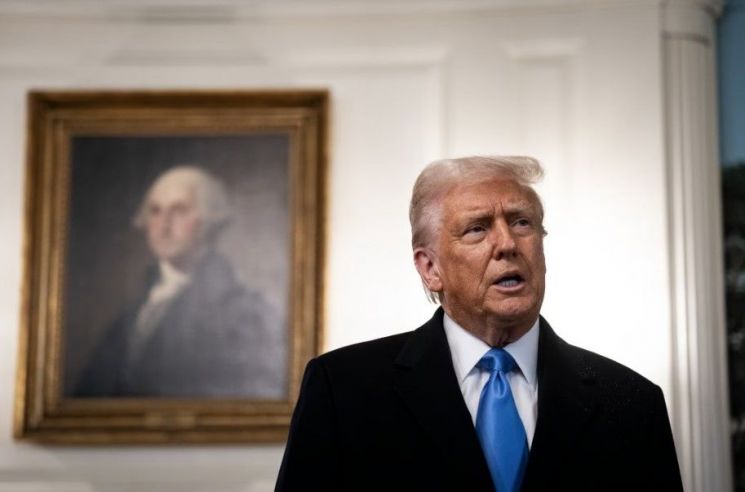
The Wall Street Journal (WSJ) reported on April 25 (local time) that the United States has established a standardized negotiation framework in order to focus on reciprocal tariff negotiations with its major trading partners.
The Trump administration plans to use this framework to conduct intensive negotiations with 18 major trading partners over the next two months. The negotiation framework, prepared by the Office of the United States Trade Representative (USTR), systematically organizes the key areas of negotiation, including tariffs, quotas, non-tariff barriers, digital trade, rules of origin, and economic security.
A spokesperson for the USTR stated, "We are working according to an organized and rigorous framework, and we are making rapid progress with trading partners who are willing to engage. President Trump and the USTR have clearly defined the United States' objectives, and our trading partners are well aware of what they can offer the United States."
The initial U.S. plan is to negotiate with six countries per week, holding one round of negotiations with each of the 18 countries over a three-week period, and then repeating this cycle. Negotiations will continue until the mutual tariff suspension deadline of July 8. If an agreement is not reached by this deadline and President Trump does not extend the suspension period, the previously announced tariffs will be imposed as planned.
White House spokesperson Karoline Leavitt confirmed at a briefing on April 22 that a total of 18 written proposals had been received, but did not disclose the names of the specific countries.
According to the WSJ, Mexico and Canada are likely to be excluded from these negotiations under the new framework, as tariffs on these countries have been imposed through separate executive orders rather than reciprocal tariffs. China, which is subject to a high tariff rate of 145%, is also expected to be negotiated through a separate track.
© The Asia Business Daily(www.asiae.co.kr). All rights reserved.

















