"China Quietly Removes Retaliatory Tariffs on Eight Types of Semiconductors," Reports CNN and Others
The Chinese government is reported to have either lifted or is considering lifting a 125% tariff on certain U.S. products, including semiconductors, medical equipment, and chemical products.
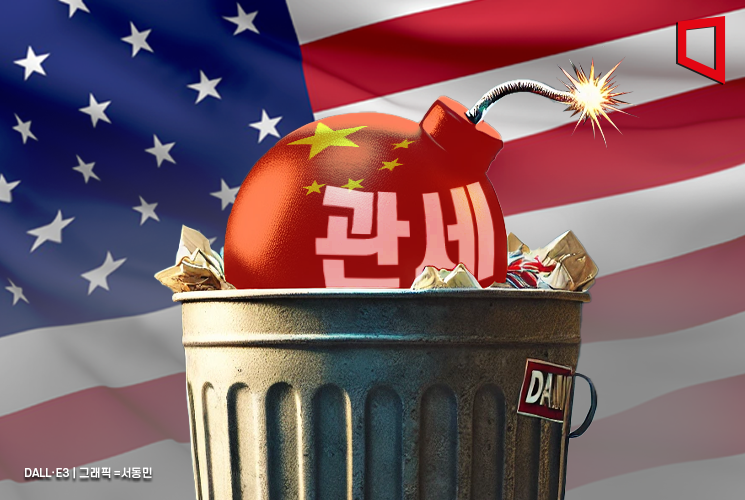
According to CNN and other foreign media outlets on April 25, Chinese authorities recently removed tariffs on eight types of U.S. semiconductors, excluding memory chips.
Bloomberg News also reported that Chinese authorities are considering exempting some U.S. imports?such as medical equipment and industrial chemicals like ethane?from tariffs.
Some factories in China, the world's largest producer of plastics, depend on U.S. ethane. Chinese hospitals also rely on high-end medical equipment, such as MRI machines, produced by American companies like GE Healthcare.
In addition, Chinese authorities are reportedly considering a tariff exemption for aircraft leasing. This is due to the significant financial burden faced by Chinese airlines that lease, rather than own, their aircraft.
However, Bloomberg News noted that the list of exempted items is not finalized, and since the plan is still under review, it may not actually result in exemptions. The Chinese government has not yet released an official statement on the matter.
Bloomberg News pointed out, "China's current review of tariff exemptions is similar to the U.S. decision to exclude certain electronic products from the additional 145% tariffs imposed on Chinese imports. Moves to roll back additional tariffs like this demonstrate how deeply intertwined the trade relationship is between the world's two largest economies, and that parts of the Chinese economy remain dependent on U.S. products."
Some observers note that, although the United States and China engaged in a tariff 'chicken game' by imposing ultra-high tariffs of over 100% on each other's goods after the start of the second Trump administration, there is now hope that this trend is easing.
President Trump said on April 23 that he might decide on the level of tariffs on China "within the next two to three weeks," adding, "It seems possible to have a special negotiation with China. We'll have to see what happens." This is a stark contrast to his previous stance, in which he expressed confidence in the trade war with China by deferring reciprocal tariffs for 90 days for over 70 trading partners, while further raising tariffs only on China.
Scott Besant, the Treasury Secretary in charge of tariff policy, also stated on April 23 regarding the U.S.-China tariff rates, "Both sides know that the current levels are not sustainable."
© The Asia Business Daily(www.asiae.co.kr). All rights reserved.

















