Jipyeong, Jangsu, and Baesangmyeon Brewery
All Saw Sales Growth Last Year
Annual Sales Around 40 Billion Won
Small Market Size Remains a Challenge
Focusing on Expanding Overseas Markets
Last year, major Makgeolli producers continued to grow. However, growth slowed due to stagnant domestic demand, and Makgeolli remains significantly smaller in scale compared to soju, beer, and even imported spirits such as whiskey and wine. The industry plans to establish a foundation for long-term growth by expanding its presence in overseas markets.
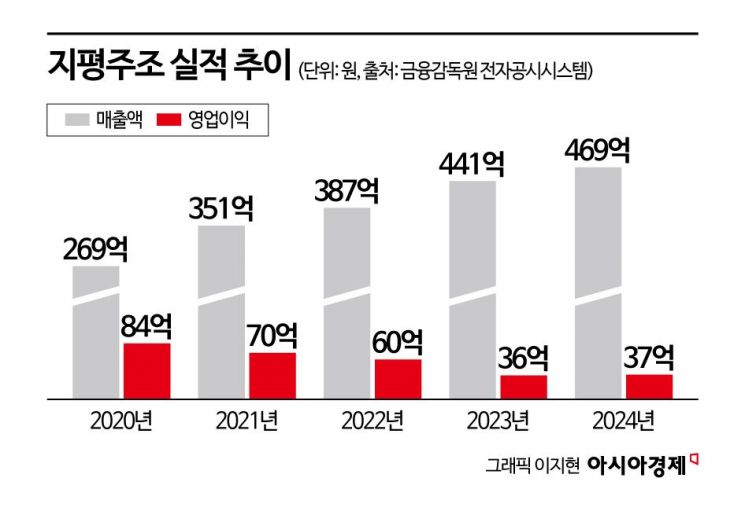
According to the Financial Supervisory Service's electronic disclosure system on April 24, Jipyeong Brewery recorded sales of 46.9 billion won last year, a 6.3% increase from 44.1 billion won the previous year. Jipyeong Brewery's sales, which stood at around 20 billion won in 2019, more than doubled over five years, growing rapidly during the COVID-19 pandemic.
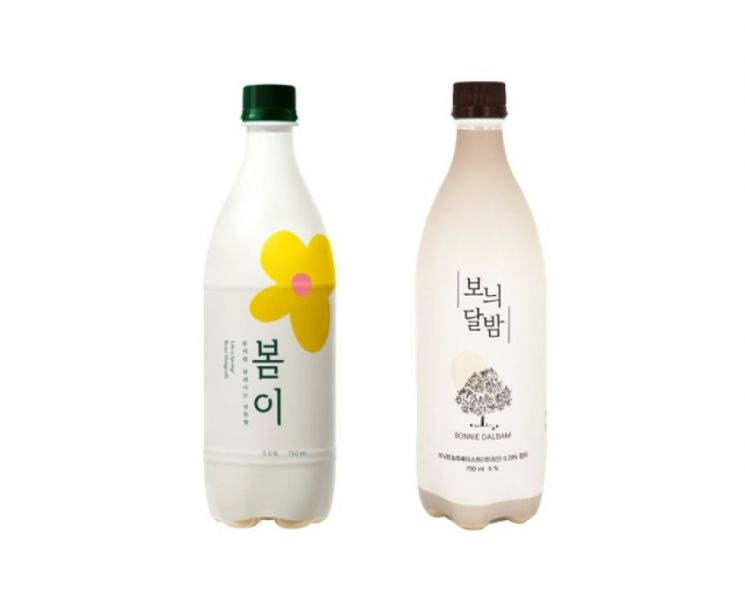
New products such as 'Bonuidalbam' and 'Bomi' successfully established themselves in the market and played a significant role, while expanding distribution channels from the Seoul metropolitan area to regional markets also contributed to increased sales. In particular, Bonuidalbam performed well, with 300,000 bottles placed in stores within 100 days of its launch. The company explained, "We targeted younger consumers as our main customer base, and marketing with the 'dessert Makgeolli' concept proved effective."
However, the company was unable to secure substantial profits despite its expanded scale. As business expansion led to increased selling, general, and administrative expenses, operating profit last year was 3.7 billion won, remaining at a similar level to the previous year (3.6 billion won). The operating margin even declined from 8.2% to 7.9%. Net profit also fell from 3 billion won to 2.4 billion won.
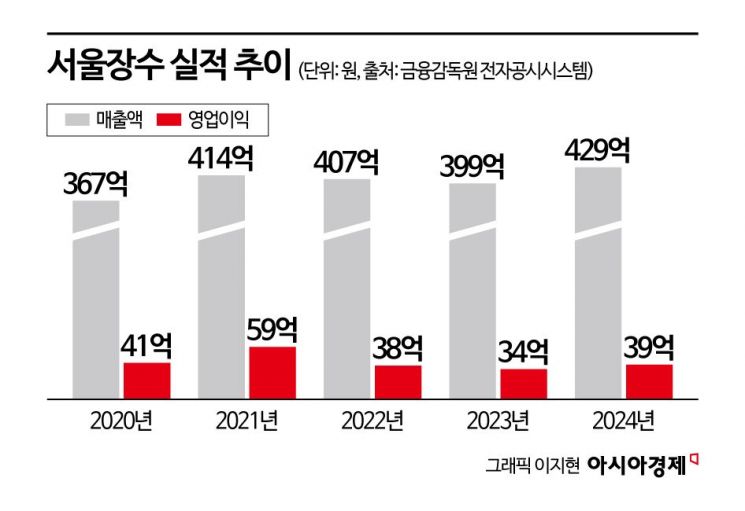
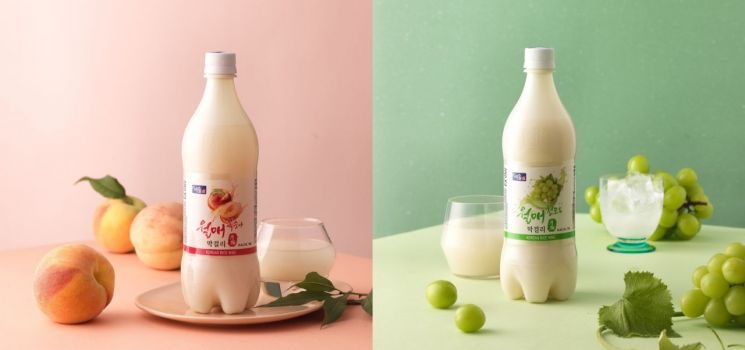
Seoul Jangsu, under the Seoul Takju Manufacturers Association, showed a similar trend. Last year, Seoul Jangsu's sales reached 42.9 billion won, up 7.5% from 39.9 billion won the previous year, and operating profit rose 14.7% to 3.9 billion won. The company explained, "Our brand portfolio strategy, which strengthened both authenticity and trendiness, was effective." The sterilized Makgeolli 'Wolmae' led sales growth, with over 15 million bottles and more than 10 billion won in sales last year. Flavored Makgeolli products reflecting younger tastes, such as 'Dalbit Yuja,' also contributed to overall sales growth. However, despite improved performance last year, sales have hovered around 40 billion won for several years, leaving concerns about further expansion.
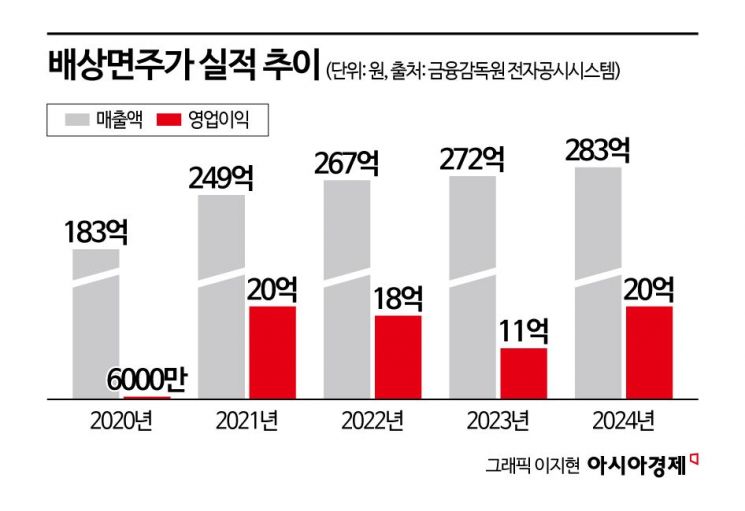
Baesangmyeon Brewery showed a similar pattern. Last year, Baesangmyeon Brewery's sales were 28.3 billion won, a 4.0% increase from 27.2 billion won the previous year, and operating profit rose 81.8% to 2 billion won from 1.1 billion won a year earlier. The continued growth of the premium Makgeolli market drove the success of 'Neurinmaeul Makgeolli,' the top brand in this category. Additionally, the expansion of the 'Neurinmaeul Brewery' franchise to 30 locations increased consumer touchpoints and contributed to growth.
The domestic Makgeolli market has maintained a growth trend for several years, but is now considered stagnant due to limited distribution channels and constraints in domestic demand. During the pandemic, there was a temporary boom in traditional liquor driven by increased home drinking and solo drinking, but it proved to be short-lived. In fact, according to the National Tax Service, the domestic liquor industry exceeded 10 trillion won in shipments in 2023, but shipments of traditional liquor amounted to only 1.3464 trillion won, just one-tenth of the total.
With growth stagnating, the Makgeolli industry is collectively turning its attention to overseas markets. As interest in Korean culture and food, such as K-food, grows, there are expectations that demand for traditional liquor, which pairs naturally with these trends, could also rise significantly. A Seoul Jangsu representative stated, "This year, we have set entry into European markets such as the UK and France, as well as CIS countries including Russia, as our main strategic direction. We are focusing on building local distribution partnerships and other foundations for this expansion." A Jipyeong Brewery representative also said, "Interest in our traditional liquor is increasing in overseas markets, and the number of countries expressing interest continues to grow. We are currently exporting to seven countries, including China, Canada, and Australia, and our goal is to expand this to 20 countries within the year."
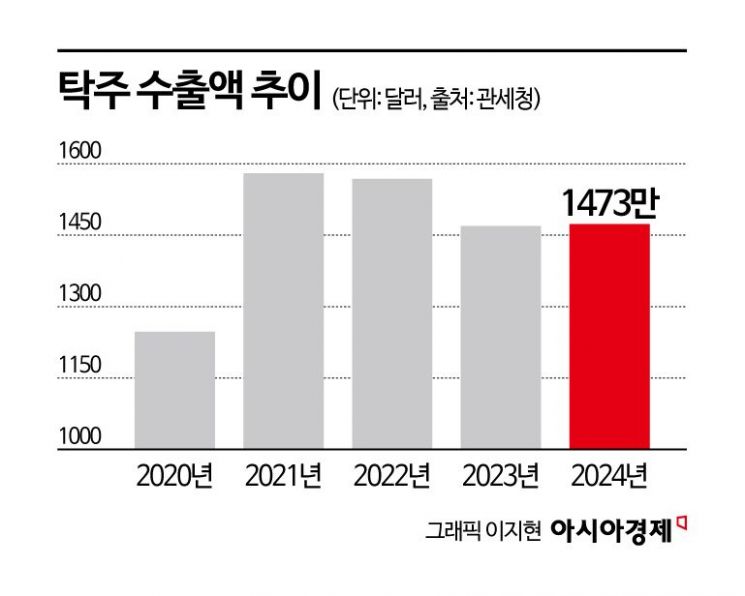
However, export performance remains limited. Last year, Makgeolli exports reached only $14.73 million (about 2.1 billion won), a mere 0.3% increase from $14.69 million the previous year. The industry believes that collaboration with global leading companies is necessary to enhance the growth and competitiveness of the traditional liquor sector. According to a survey conducted last month by the Korea Food Research Institute targeting 51 traditional liquor breweries nationwide, 70.6% of breweries responded that collaboration is needed. The most common reason cited was "expectations for promotional and marketing effects" (74.5%, multiple responses allowed), followed by "securing distribution networks" (57.4%) and "enhancing brand power" (51.1%).
© The Asia Business Daily(www.asiae.co.kr). All rights reserved.



















