Focus on 697.9 Billion KRW for Disability Activity Assistance Benefit
Strengthening Connections with High-Difficulty Care Activity Assistants
Promoting Care Services and Improving Residential Environments
Seoul City will invest a budget of 1.7685 trillion KRW this year to improve welfare for people with disabilities. This is an increase of 132.1 billion KRW compared to last year, and the funds will be evenly distributed to support disability activity assistance benefits and care activity support, among others.
According to Seoul City on the 17th, this year's budget for disability welfare is 1.7685 trillion KRW, an 8.1% (132.1 billion KRW) increase from the previous year. Considering that Seoul City's total budget (48.1145 trillion KRW) increased by 5.2% compared to the previous year, this is a relatively large increase.
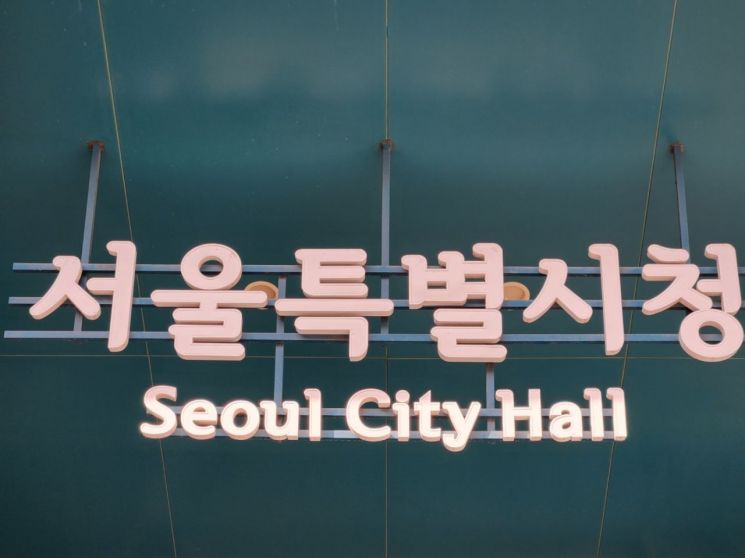 Seoul City confirmed the welfare budget for people with disabilities this year at 1.7685 trillion won, an increase of 8.1% (132.1 billion won) compared to the previous year. Yonhap News
Currently, the number of registered people with disabilities in Seoul is 385,343 (as of February 2025), which accounts for 4% of the total population (9.33 million). By type of disability, the breakdown is ▲physical disabilities 155,000 (40%) ▲hearing disabilities 66,000 (17%) ▲visual disabilities 40,000 (10%) ▲brain lesions 37,000 (10%) ▲developmental disabilities (intellectual and autism) 37,000 (9%), in that order.
This year, Seoul City is focusing on expanding the 'Disability Activity Assistance Benefit.' This item accounts for the largest portion of the disability welfare budget, with a total of 697.9 billion KRW allocated, an increase of 45.9 billion KRW from last year. This represents 40% of the total disability welfare budget. The Disability Activity Assistance Benefit is provided in the form of vouchers that allow the use of services such as activity assistance, home bathing, and home nursing. It helps people with disabilities who have difficulty living daily life or participating in social activities independently to become self-reliant and socially engaged. The hourly wage rate was raised from 16,150 KRW last year to 16,620 KRW. As of this year, 27,439 people are receiving the Disability Activity Assistance Benefit, with 37% of them being young people in their teens and twenties who are actively engaged in study and social activities, providing practical support for the independence of young people with disabilities.
In addition, to strengthen the public nature of disability activity support services, four specialized activity support centers have been designated in different regions to connect and support severely disabled individuals who require high-level care, such as bedridden or quadriplegic patients who have difficulty living alone and individuals with developmental disabilities exhibiting challenging behaviors, with activity assistants. Seoul City plans to improve service quality by providing an additional 'High-Difficulty Care Activity Assistant Allowance (300,000 KRW per month)' to about 150 activity assistants caring for severely disabled individuals through these specialized centers.
To support essential mobility for expanding social participation of people with disabilities, 38.6 billion KRW will be allocated for bus fare subsidies. This applies not only to Seoul city buses but also to transfer fares for Gyeonggi and Incheon buses and the metropolitan area express railroad. The subsidy is up to 50,000 KRW per month per registered disabled person aged six and older in Seoul, and for severely disabled individuals who have difficulty moving alone, up to 100,000 KRW per month is provided including a companion.
Infrastructure improvements are also underway to enhance information accessibility and daily convenience for people with disabilities. A total of 310 unmanned civil service issuance machines and 136 unmanned book return machines within Seoul will be replaced to meet accessibility standards for people with disabilities, and customized ramps will be installed in 750 small facilities such as pharmacies, convenience stores, and cafes.
A total of 4.1 billion KRW will be invested to improve the environment of residential facilities for people with disabilities. Existing corridor-style, multi-occupancy rooms will be converted into 1-2 person living rooms resembling a home to protect the personal life of residents with disabilities. One additional guesthouse will be created for family visits or pre-admission experiences. Reflecting the accelerating aging of people with disabilities, one additional dedicated care facility for elderly disabled persons will also be established.
For vulnerable disabled groups such as single-person disabled households and basic livelihood security recipients, improvements will be made to the emergency safety and security service. A new metropolitan support organization will be selected to oversee six regional service centers this year, and the service areas of each center will be readjusted to establish an efficient emergency response system. The emergency safety and security service installs detectors and call devices in disabled households to quickly connect with 119 in case of emergencies such as fires; currently, 2,115 households are using this service. Additionally, the innovative welfare model 'Disability Individual Budget System,' which guarantees self-determination and choice by allowing people with disabilities to directly select and apply for welfare services suited to their disability type and severity, will be expanded as a second pilot project this year.
Yoon Jong-jang, Director of Welfare at Seoul City, said, "Throughout this year, we will carefully implement policies to improve the rights and happiness of people with disabilities by listening closely to voices from the field."
© The Asia Business Daily(www.asiae.co.kr). All rights reserved.

















