Gwangju to Host the 28th Gwangju Royal Ceramics Festival from April 25
A 12-Day Feast of Ceramics Connecting Tradition and Modernity, Korea and the World
Held for 12 Days at Gonjiam Ceramic Park in Gwangju, Gyeonggi Province
The 28th Gwangju Royal Ceramics Festival, a representative spring festival of Gwangju, will be held for 12 days from April 25 to May 6 at the Gonjiam Ceramic Park area with a variety of events. This year's festival theme is "Meeting the King's Ceramics in Gwangju," featuring various programs such as exhibitions, hands-on experiences, and performances that modernly reinterpret the beauty and artistry of Joseon royal ceramics.
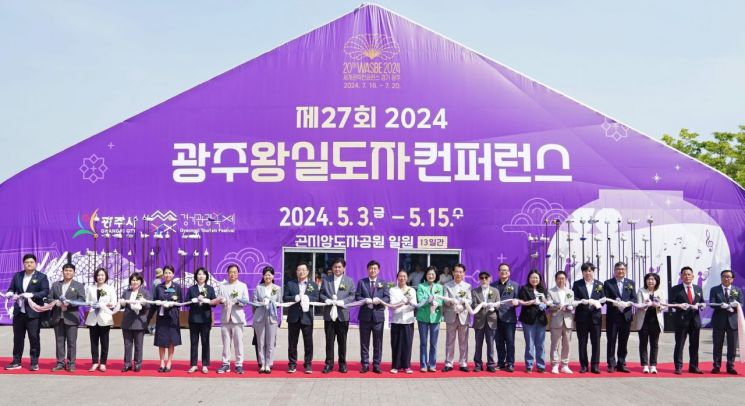 Gwangju's representative spring festival, the "28th Gwangju Royal Ceramics Festival," will be held for 12 days from April 25 to May 6 at Gonjiam Ceramic Park, featuring a variety of events. The photo shows the tape-cutting ceremony at the opening of last year's "Gwangju Royal Ceramics Conference." Photo by Gwangju City, Gyeonggi Province.
According to Gwangju City, Gyeonggi Province (Mayor Bang Se-hwan) on the 15th, the opening ceremony kicking off the festival at 5 p.m. on the 25th will begin with the "Tradition and Future Together" parade, where children, ceramic artists, and foreigners will enter carrying Gwangju royal ceramic moon jars.
Following this, in the "King's Ceramics Tribute Ceremony," actor Im Ho, who plays the roles of kings from the Joseon Dynasty such as King Sukjong, King Jungjong, and King Gwanghaegun, as well as historical figures like Dae Jang Geum and Heo Jun, will appear as the king to vividly convey the dignity of Joseon royal ceramics.
The official event will continue with an opening video, declaration of the opening, welcoming speeches, congratulatory videos from domestic and international sister cities, and a ceremony wishing for success. Especially, the celebratory performances will feature the Gwangju City Municipal Gwangjiwon Nongak Troupe and a special stage by trot singer Song Ga-in, drawing anticipation from people of all ages.
This festival is organized into five themes: ▲Ceramics Exhibition & Sale ▲Ceramics Experience ▲Royal Experience ▲Performances ▲Side Events.
The "Ceramics Exhibition & Sale" showcases works by master artisans from Gwangju and ceramic artists from home and abroad, allowing visitors to appreciate the true essence of ceramic art where tradition and modernity harmonize. Here, visitors can not only admire and purchase works but also participate in the "Ceramics Time Auction" held daily at 2:30 p.m., where artists personally introduce their works for auction.
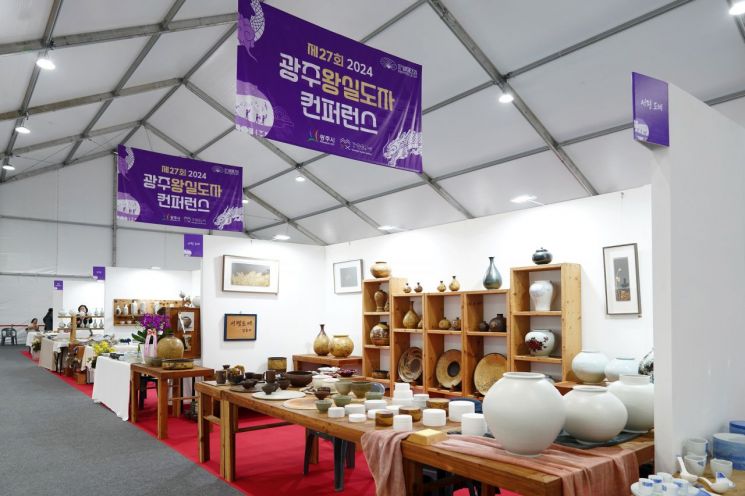 The scene at last year's 'Gwangju Royal Ceramics Conference' event. Provided by Gwangju City, Gyeonggi Province
Under the "Ceramics Experience" theme, immersive programs are prepared where participants can touch clay and create ceramics themselves. Wheel throwing experience, first firing ceramic coloring, and clay play contests are participatory contents enjoyable for all ages, offering the opportunity to complete their own works and have them fired on-site.
The "Royal Experience" offers a space to feel the Joseon royal culture through the five senses, including traditional costume experiences where visitors can transform into Joseon kings and queens, royal court tea ceremonies, and archery experiences. This program, which interestingly unfolds Korean traditions, is expected to be especially popular among children and foreign tourists.
The "Performance Program" consists of various performances encompassing both tradition and modernity.
Traditional royal court music and dance performances such as gayageum byeongchang, haegeum, and Korean traditional music and dance, as well as traditional performances like nongak and pansori, along with busking and K-pop dance performances, will fill the stage throughout the festival period with diverse genres.
Additionally, "Side Events" prepare various attractions to enrich the festival. The Saemaul Market, River Market, and Food Truck Zone offer a variety of foods, and visitors can directly see and experience local handicrafts. There are also craft hill playgrounds and traditional play areas for children, enhancing visitor satisfaction.
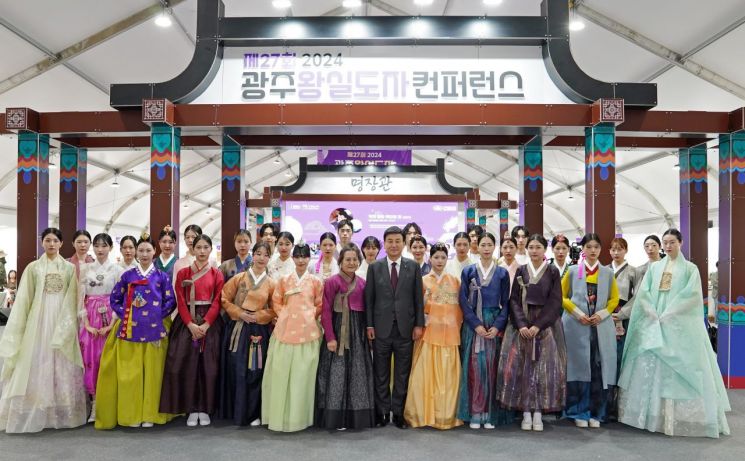 Fashion show scene from last year's 'Gwangju Royal Ceramics Conference.' Provided by Gwangju City, Gyeonggi.
The festival's special programs also attract attention. Among them, the most notable is the royal court food experience event using royal tableware from the 500-year Joseon Dynasty, where participants can directly serve dishes like Gujeolpan and Hwajeon on ceramic plates made by Gwangju master artisans and ceramic artists. This program, held with broadcaster and chef Lee Hye-jung, requires prior reservation to participate.
In addition, ▲Street Tribute Parade ▲Ceramics Time Auction ▲Family Clay Play Contest ▲Moon Jar Experience will be continuously operated throughout the festival period.
Ceramic artists from overseas sister cities such as Zibo City in China will also participate, positioning Gwangju once again as a global center of ceramic culture this year. On the opening day, the "Gwangju Royal International Ceramics Symposium" will be held, gathering domestic and international ceramic experts for academic exchange.
During weekends and holidays throughout the festival, tribute parades will be held at various locations within the venue, vividly recreating Gwangju's royal culture to enhance visitor immersion.
Also, next to the exhibition and sales hall, the busking stage will host diverse performance programs daily, including magic shows, acoustic busking, and traditional music and dance. Especially on May 5, Children's Day, children's choirs and family festival programs will be operated to add enjoyment for family visitors.
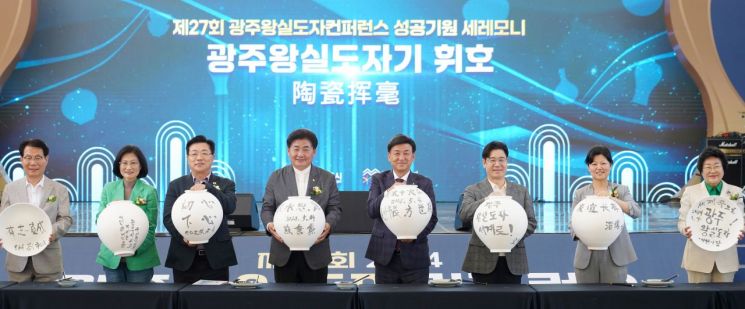 Ceremony to Celebrate the Success of the 'Gwangju Royal Ceramics Conference' Held Last Year
Calligraphy of Gwangju Royal Ceramics
Photo by Gwangju Gwangju City Provided
The food section also aims to increase visitor satisfaction. This year, in addition to the Saemaul Market, food booths, food trucks, and the River Market will operate throughout the event period, offering a variety of foods such as tomato gochujang bibimbap, sundae (Korean blood sausage), chicken skewers, beef bulgogi sushi, and takoyaki.
A Gwangju city official said, "This year's festival has prepared various contents that allow citizens to more familiarly learn about and directly experience the historical significance and excellence of Gwangju royal ceramics," adding, "We hope visitors will experience Gwangju's unique and dignified royal ceramics cultural content."
© The Asia Business Daily(www.asiae.co.kr). All rights reserved.



















