The Korea Disease Control and Prevention Agency (KDCA) announced on the 15th that it has published the "KDCA COVID-19 Response White Paper," which systematically organizes the experiences of responding to the COVID-19 pandemic over four years from January 2020 to May of last year.
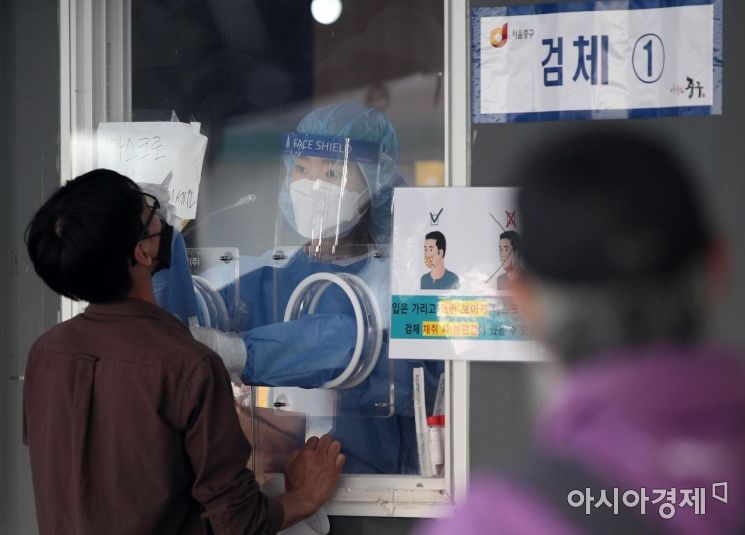
The COVID-19 white paper records the course of the COVID-19 pandemic and the response process led by the Central Disease Control Headquarters from the time COVID-19 entered Korea in 2020 until the crisis level was downgraded to "interest" in May 2024, divided into five periods according to changes in response strategies. ▲The initial response period (January 20, 2020 ? February 25, 2021), during which efforts were made to block the spread of the pandemic through the 3T (Testing, Tracing, Treatment) strategy ▲The period of pandemic spread actively utilizing vaccines and non-pharmaceutical interventions (February 26, 2021 ? January 20, 2022) ▲The period after the Omicron variant became dominant, shifting to focused management of high-risk groups (January 21, 2022 ? January 29, 2023) ▲The endemic transition period, when COVID-19 was converted into a regularly occurring infectious disease (January 30, 2023 ? August 31, 2023) ▲The post-pandemic period (September 1, 2023 ? May 1, 2024), during which institutional foundations for future pandemic preparedness and response were established.
Additionally, the white paper is composed of three parts: ▲An overview including basic information about COVID-19 ▲The response progress by period ▲Lessons learned from COVID-19 and future tasks, aiming to help the public and related organizations clearly understand COVID-19-related information and response progress, while also sharing the government’s future directions and plans for pandemic preparedness.
In particular, the KDCA explained that this white paper details efforts and policy decision processes to restore the daily lives of citizens even amid the infectious disease crisis, and it is expected to serve as foundational material for establishing a rapid, cooperative crisis management and resilient quarantine system in the event of future pandemics. The future tasks for strengthening the infectious disease response system presented in Part 3 of the white paper will be systematically promoted and implemented through the "Mid- to Long-term Plan for New Infectious Disease Pandemic Preparedness," announced by the KDCA in May 2023.
Jiyoungmi, Commissioner of the KDCA, stated, "This white paper is a record created together by the government, medical staff, and the public, serving as a valuable resource to respond unwaveringly to the next infectious disease crisis. We will continue to do our best to proactively prepare for future infectious disease crises by advancing the quarantine system to protect the health and safe daily lives of the people."
The COVID-19 response white paper can be downloaded in file (PDF) format from the KDCA website.
© The Asia Business Daily(www.asiae.co.kr). All rights reserved.

















