Florida State University Study Recently Published
"Unmarried Individuals Have More Social Interaction Than Married People"
A study has found that unmarried people have a lower risk of dementia compared to married people. This overturns conventional wisdom and has attracted attention.
Recently, researchers from Florida State University in the United States published these findings in the Alzheimer's & Dementia journal of the Alzheimer's Association.
The researchers annually evaluated 24,107 adults aged 50 to 104 (average age 72) without dementia, registered at the National Alzheimer's Coordinating Center (NACC) across the United States, for up to 18 years. Trained clinicians used standardized protocols to assess cognitive function each year and diagnosed dementia or mild cognitive impairment.
Each year, participants underwent neuropsychological tests of cognitive status along with clinician evaluations.
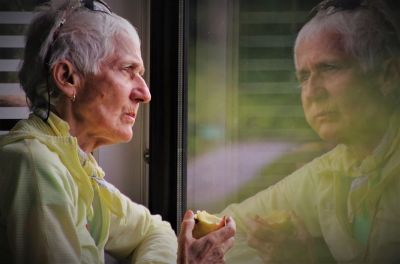
As a result, unmarried individuals who had never been married showed a 40% lower risk of developing dementia compared to married individuals. Divorced and widowed people also had 34% and 27% lower risks, respectively.
Previous studies have explained that married people have a lower risk of dementia than unmarried or widowed individuals, and that dementia prevention strategies should focus on minimizing social isolation and maintaining active social engagement among unmarried and widowed people to help prevent dementia.
In 2017, researchers from the University of London in the UK reported that unmarried people had a 42% higher risk of developing dementia compared to married people. In 2023, Norwegian researchers also reported that divorced or unmarried individuals had a 50-73% higher risk of dementia diagnosis than married people.
Dr. Celine Karakose, the author of this study, said, "People who have never been married are more likely to interact with friends and neighbors and are more likely to engage in healthy behaviors than married people," adding, "The positive aspects of well-being and social bonds may act as protective factors against dementia over time."
She added, "The greater independence of single people may also help explain why they maintain cognitive abilities better."
© The Asia Business Daily(www.asiae.co.kr). All rights reserved.