KFC, Norang Tongdak, and Others Up for Sale
Private Equity Firms Rush to Recover Investments
Famous chicken franchises have lined up in the mergers and acquisitions (M&A) market. As the dining-out industry worsens due to high inflation and economic recession, private equity firms owning franchises are reportedly rushing to recover their investments. There is also concern that if the administration changes through the presidential election in June, regulations related to private equity firms entering B2C (business-to-consumer) companies such as franchises may be introduced. The franchise industry expects an increase in attempts to lower prices for sales.
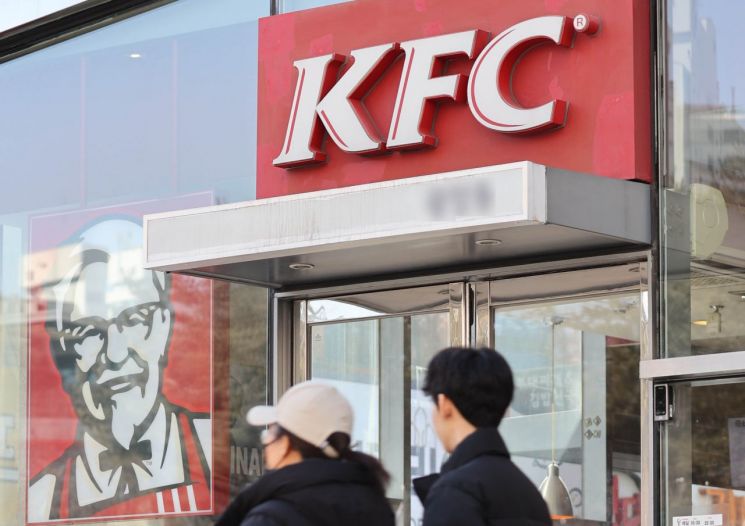
According to the industry on the 11th, Orchestra Private Equity recently initiated the sale process of KFC Korea. They selected Samil Accounting Corporation as the lead advisor and are in the process of selling 100% of their stake in KFC Korea. The industry believes Orchestra PE has proposed a desired price of around 300 billion to 400 billion KRW for this sale. Since Orchestra PE acquired KFC Korea from KG Group for about 100 billion KRW in early 2023, completing the sale at the desired price could realize nearly three times the profit in just over two years.
Norang Food, the operator of Norang Tongdak, has also been seeking a new owner since last year. The largest shareholders, Q Capital Partners and Koston Asia, selected Samjong KPMG as the sales advisor and have begun actively searching for buyers. The desired sale price for Norang Tongdak is reported to be around 200 billion KRW.
Richbeam, the operator of pizza and chicken franchise Pizza Nara Chicken Gongju, which has been looking for acquisition targets for 2 to 3 years, has been steadily seeking buyers after a failed sale attempt to SG Private Equity in September last year. At that time, the structure was to acquire 100% of the shares for 220 billion KRW, but the high price was a stumbling block, causing the deal to fall through. Richbeam, which had been pursuing the sale of management rights without a separate advisor, reportedly offered to grant lead advisor status to any party that could find a buyer to acquire the largest shareholder’s stake through multiple accounting firms.
The industry views the surge of franchises entering the M&A market as private equity firms judging that the time to sell is when they record good performance. Typically, private equity firms hold portfolio companies for about 4 to 5 years before exiting (investment recovery), but with consumer slowdown expected to be prolonged, they are acting on the judgment that now is the time to realize investment returns.
Additionally, the Democratic Party of Korea’s preparation of legislation to regulate private equity firms’ entry into franchises appears to have influenced this trend. The argument is that private equity firms generate short-term profits while harming small merchants. Democratic Party lawmaker Kim Nam-geun has been gathering opinions through public hearings and announced plans to soon propose related bills. If actual legislation follows, it is expected that the sale of franchises currently on the M&A market could become difficult. Considering the direction of regulatory tightening, private equity funds may take a more passive stance. Especially if there are limitations on improving profitability such as raising royalties after acquisition, it is expected to affect M&A price calculations.
Affinity Equity Partners, which owns Burger King; MBK Partners, which owns BHC; and Carlyle, which owns Twosome Place, are reportedly not planning direct sales but are closely monitoring regulatory trends as they may affect future capital recovery strategies.
However, there is also analysis that the sale process may be prolonged due to economic uncertainty, high interest rates dampening companies’ new investment sentiment, and the emergence of regulatory risks. An industry insider explained, "If the Democratic Party’s regulatory legislation accelerates, there could be restrictions on operational strategies such as raising royalties after acquisition," adding, "This could reduce investment attractiveness and also affect price calculations." The insider further noted, "Foreign companies’ interest in domestic dining franchises is increasing, but many deals are halted at the final stages, so the sales are not progressing quickly."
© The Asia Business Daily(www.asiae.co.kr). All rights reserved.

















