11~50% Tariffs Imposed
South Korea Discusses Shipbuilding and LNG Purchases
China Faces a 104% Tariff Bombshell
U.S. President Donald Trump’s announced reciprocal tariffs, which were set to be imposed on the 2nd, took effect at 1:01 PM Korean time on the 9th. China, which retaliated with a 34% tariff, saw its reciprocal tariff rate raised by 50 percentage points from the existing 34% to 84%, resulting in a tariff bombshell. South Korea will face a 25% tariff, making disruptions to exports to the U.S. inevitable.
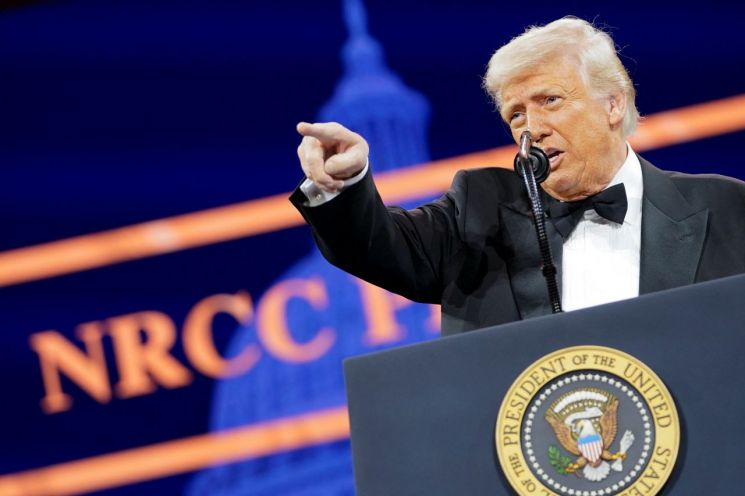
The U.S. government announced on the 5th that, following a basic 10% reciprocal tariff, from 12:01 AM local time on the 9th, it will impose country-specific reciprocal tariffs ranging from at least 11% to as high as 50% on at least 80 countries, including South Korea. Accordingly, South Korea will be subject to a 25% tariff on all goods exported to the U.S.
Countries classified by the U.S. government as "worst offenders" include Cambodia (49%), Vietnam (46%), Thailand (36%), Taiwan (32%), India (26%), Japan (24%), and the European Union (EU, 20%), all of which will face reciprocal tariffs above the basic rate. In particular, China, which is engaged in a retaliatory tariff standoff with the U.S., saw tariffs on Chinese goods soar to a staggering 104%. As both countries continue an uncompromising tariff war, concerns are rising that U.S.-China tensions may become prolonged. A former spokesperson for China’s Ministry of Commerce warned in a statement posted on the ministry’s website on the 8th, "If the U.S. insists on its course, China will definitely stand firm until the end."
However, Canada and Mexico, which had faced 25% tariffs due to issues such as illegal immigration and fentanyl inflows, were excluded from this round of reciprocal tariffs. This is because the Trump administration stated at the time of the reciprocal tariff announcement that goods covered under the United States-Mexico-Canada Agreement (USMCA) would be exempt from tariffs.
Simultaneously with the announcement of reciprocal tariffs, the Trump administration has begun country-specific tailored negotiations. Katherine Tai, U.S. Trade Representative (USTR) lead negotiator, stated that she is in contact with about 50 countries. She appeared before the Senate Finance Committee and said, "If there is a better plan to achieve reciprocity and reduce our trade deficit, we want to talk and negotiate with other countries," adding, "We are open."
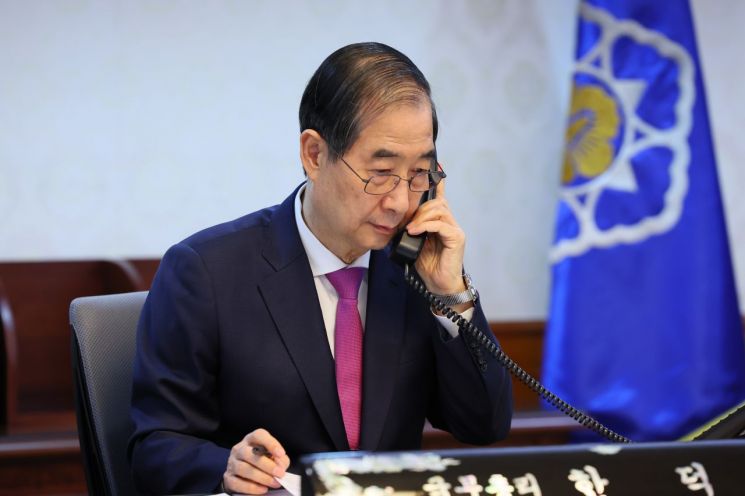
South Korea also plans to enter negotiations with the U.S. to minimize the aftershocks of reciprocal tariffs. President Trump said he had a broad discussion with Acting President and Prime Minister Han Duck-soo regarding tariffs, shipbuilding, the purchase of U.S.-made liquefied natural gas (LNG), and defense cost-sharing (the cost of U.S. troops stationed in South Korea). On the same day, he posted on his social media platform Truth Social, "Had a good call with Korea’s Acting President. Their best team is on a plane to the U.S., and things look good."
© The Asia Business Daily(www.asiae.co.kr). All rights reserved.


















