RSV Can Lead to Pneumonia in Infants and Young Children
Respiratory Syncytial Virus (RSV) is spreading nationwide. The outbreak is particularly severe, with 2 out of 3 infants under one year old infected. Although it can progress to pneumonia, there is currently no treatment, increasing the need for preventive measures such as vaccination.
Last month, an emergency was declared after infants were collectively infected with RSV, a Class 4 legally designated infectious disease, at a postpartum care center in the Gyeonggi region.
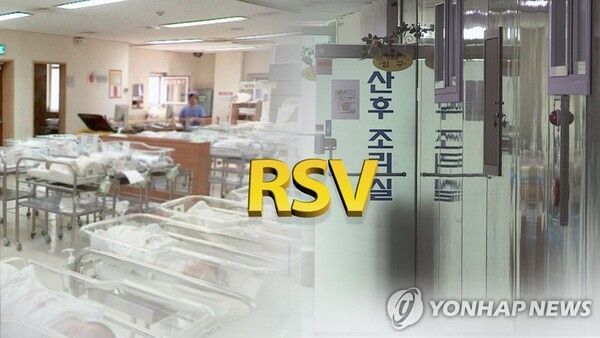
Around the same time in Busan, three newborns were confirmed to be infected with RSV at the same postpartum care center. It was confirmed that all of them stayed at the center for periods ranging from one to two weeks. Similar incidents occurred at postpartum care centers nationwide, including in Seoul and Jeju.
Last year, 2,199 infants aged 0 were infected with RSV, and this year, 785 infants were infected in just 12 weeks, equivalent to three months.
RSV is mainly transmitted through droplets from coughing or sneezing. The virus can remain infectious on hard surfaces for more than six hours, making indirect transmission via objects possible. Generally, recovery occurs within one to two weeks, but infection can be fatal for infants and young children. Infants under six months old are especially at high risk.
Transmission can also occur during the incubation period, which lasts four to six days, so caution is necessary. Adolescents and adults with immunity may be asymptomatic and unknowingly transmit the virus to infants.
In adults, symptoms similar to a cold appear and then recover, but symptoms can be severe in infants and young children. If wheezing cough, runny nose, sneezing, fever, or difficulty breathing occur, it should be suspected that the virus has spread to the lower respiratory tract, causing inflammation in the bronchi leading to the lungs. In severe cases, it can worsen to bronchiolitis or pneumonia, requiring hospitalization.
Experts emphasize that thorough personal hygiene management by all family members is key to preventing RSV. Hands should be washed carefully for more than 30 seconds, and utensils and toys used by infants should be disinfected regularly. Additionally, minimizing contact with people showing respiratory symptoms and wearing masks in crowded places are ways to reduce the risk of infection.
© The Asia Business Daily(www.asiae.co.kr). All rights reserved.
![Clutching a Stolen Dior Bag, Saying "I Hate Being Poor but Real"... The Grotesque Con of a "Human Knockoff" [Slate]](https://cwcontent.asiae.co.kr/asiaresize/183/2026021902243444107_1771435474.jpg)
















