Unauthorized Use of Game Background Music
"Statute of Limitations Completed Separately for Each Day"
"Return of Profits from Use Over 10 Years Ago Overturned"
The Supreme Court has ruled that when background music is used without permission in an online game, the company using the music should be considered to have gained separate unjust profits each day, and the statute of limitations is completed separately for each day.
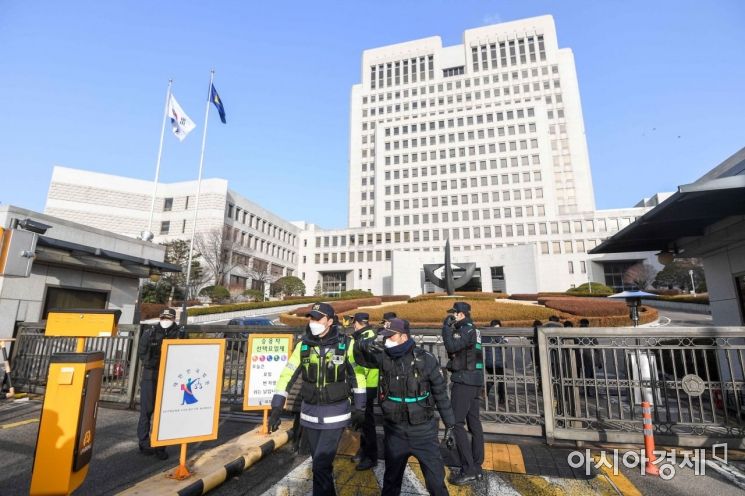
According to the legal community on the 6th, the Supreme Court's First Division (Presiding Justice Noh Kyung-pil) overturned the lower court's ruling against HanbitSoft in a lawsuit filed by Chessky Productions, based in the United States, claiming unjust enrichment, and remanded the case to the Seoul Southern District Court on the 13th of last month. The Supreme Court stated, "There is a reason to overturn the part of the lower court's ruling where the defendant was found liable for the portion where the 10-year statute of limitations has been completed. However, since the amount corresponding to the unjust enrichment for which the statute of limitations has been completed cannot be specified among the unjust enrichment amount recognized by the lower court, the entire part of the lower court's ruling against the defendant is overturned."
In 2006, HanbitSoft commissioned an external developer to develop a game, and the external developer used Chessky's music without permission as background music in some scenes of the game. HanbitSoft released the game in December 2008, and in May 2016, following Chessky's objection, the music was removed from the game. Chessky filed a lawsuit in June 2021 against HanbitSoft, demanding the return of 40 million KRW in unjust profits gained from copyright infringement, and the first and second trials recognized that HanbitSoft used the music without permission and ordered the return of 25 million KRW.
In the second trial, it was ruled that "the unjust enrichment claim does not arise for each day between the game's release and the removal of the music, and it is difficult to specify the exact days the music was used," and thus the unjust enrichment claim was deemed to arise from the time the music was removed from the game. Accordingly, the statute of limitations for the unjust enrichment claim was calculated from May 2016, when the music was removed, applying the 10-year civil statute of limitations.
However, the Supreme Court took a different view from the first and second trials regarding when the unjust enrichment claim arises. The Supreme Court stated, "The defendant continuously used the music without the plaintiff's permission from the day the game containing the music was released until the day the music was removed, thereby gaining new profits each day and causing damage to the plaintiff." Accordingly, Chessky's unjust enrichment claim arises daily from December 2008, when the game was released, until May 2016, when the music was removed, and the statute of limitations also proceeds separately for each day.
© The Asia Business Daily(www.asiae.co.kr). All rights reserved.

















