Gyeonggi Province will concentrate its budget and personnel on high-incidence areas such as Paju, Goyang, and Gimpo to eradicate malaria by 2030.
On the 4th, Gyeonggi Province held the '2025 First Half Gyeonggi Province Malaria Eradication Task Force Meeting' online and discussed the '2030 Malaria Eradication Promotion Strategy' containing these plans.
Gyeonggi Province first allocated 2.961 billion KRW, which is 61% of the total budget of 4.863 billion KRW, to the high-incidence areas of Paju, Goyang, and Gimpo, and additionally deployed dedicated personnel from 5 to 10. Through this, they plan to minimize patient occurrence by managing co-exposed individuals and focusing control measures around patients.
Furthermore, in the event of cluster cases, they will conduct in-depth epidemiological investigations and take measures to block outbreaks through malaria alert issuance.
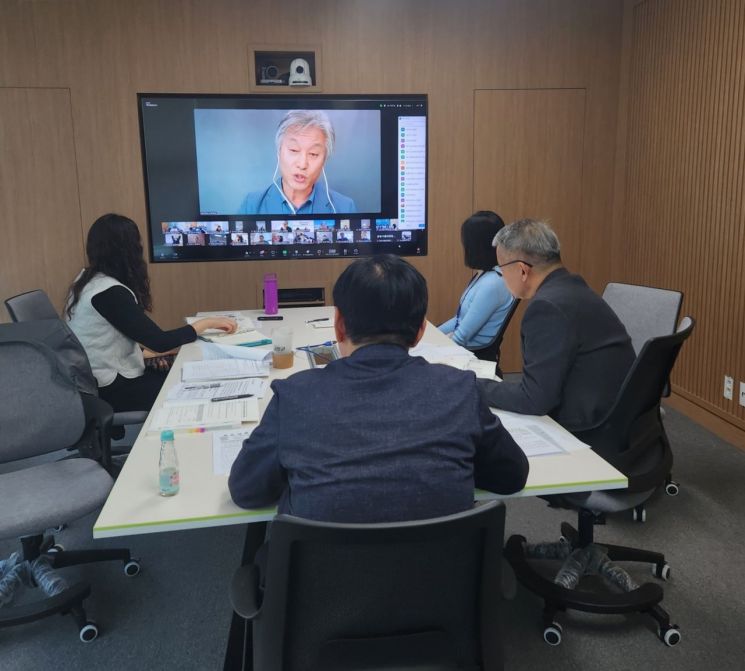 Gyeonggi Province held the "2025 First Half Gyeonggi Province Malaria Eradication Task Force Meeting" online on the 4th. Photo by Gyeonggi Province
To raise public awareness about malaria, they will diversify prevention education and promotion using G-buses and other means, and considering the high patient ratio among men in their 20s and 30s who engage in many outdoor activities, they will also promote customized campaigns targeting this group.
Yu Young-cheol, head of the Gyeonggi Province Malaria Eradication Task Force, said, "With climate change prolonging the summer season, the risk of mosquito-borne infectious diseases such as malaria is increasing," and urged, "To prevent the spread of infectious diseases like malaria, please follow prevention guidelines such as using mosquito repellents and wearing long clothes during outdoor activities."
Last year, Gyeonggi Province expanded malaria risk areas to 19 cities and counties, conducted capacity-building training for city and county officials on malaria response, and promoted the project from various aspects including producing and distributing malaria prevention promotional materials and videos such as mosquito repellents.
Last year, the number of malaria patients in Gyeonggi Province was 393, a 9.4% decrease compared to the previous year, accounting for about 55% of the national total.
© The Asia Business Daily(www.asiae.co.kr). All rights reserved.

















