Water Levels in Hot Springs Continue to Drop... Severe Water Shortage
Rapid Increase in Single-Person Hot Spring Baths... Surge in Hot Spring Water Usage
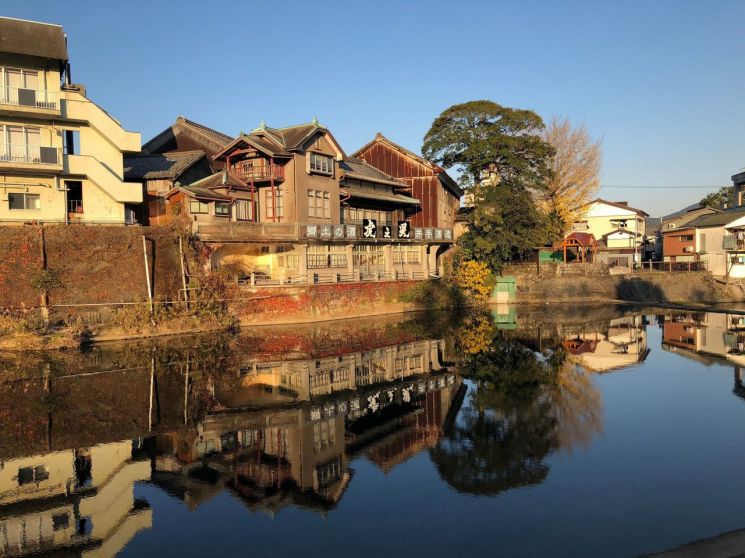
Japan is experiencing a rapid decrease in hot spring water due to overtourism that began after COVID-19. The excessive increase in single-person hot spring baths, preferred by foreign tourists, is pointed out as the cause of the hot spring water shortage. In major hot spring areas in Japan, following government recommendations, there is a growing trend of banning day-trippers who do not stay overnight from using the hot springs or not operating during late-night hours.
Water shortage worsens in major hot springs... "20% decrease over 4 years"
According to NHK, water shortages have recently intensified at Ureshino Onsen in Saga Prefecture, one of Japan's major hot springs. The water depth of this hot spring was an average of 50 meters in 2020 but dropped to 39.6 meters last year, a 20% decrease over four years. Niseko Onsen, a famous hot spring area in Hokkaido, has also seen a 15-meter drop in water depth since 2021, raising concerns about water shortages.
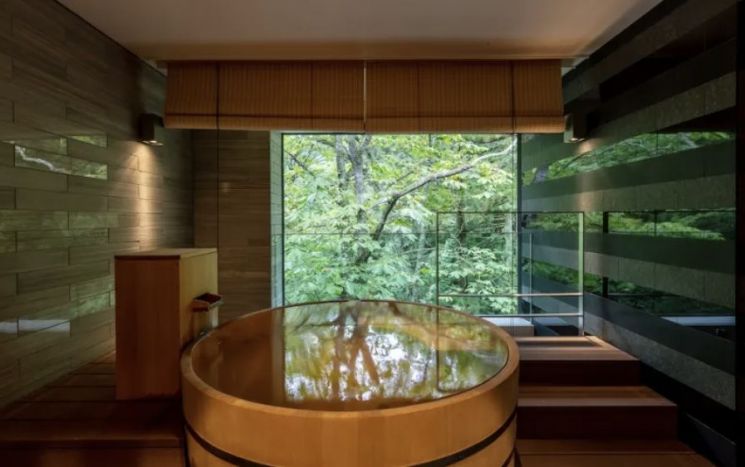
Local governments in Japan are deeply concerned about the tourism industry and water shortage issues. Daisuke Murakami, mayor of Ureshino City, has even tried to ease the atmosphere by stating, "The use of hot spring water is sustainable."
The shortage of hot spring water in Japan is analyzed to be due to overtourism. After the end of the COVID-19 pandemic, the yen depreciation phenomenon led to a surge in the popularity of hot spring travel in Japan worldwide, causing a sharp increase in hot spring water usage. The Japan Tourism Agency announced that the number of foreign tourists visiting Japan last year reached a record high of 36.8 million. Tourists concentrated especially in about 27,000 hot spring areas across Japan.
Water shortage worsens with surge in single-person hot spring baths... "Day-trippers banned from bathing"
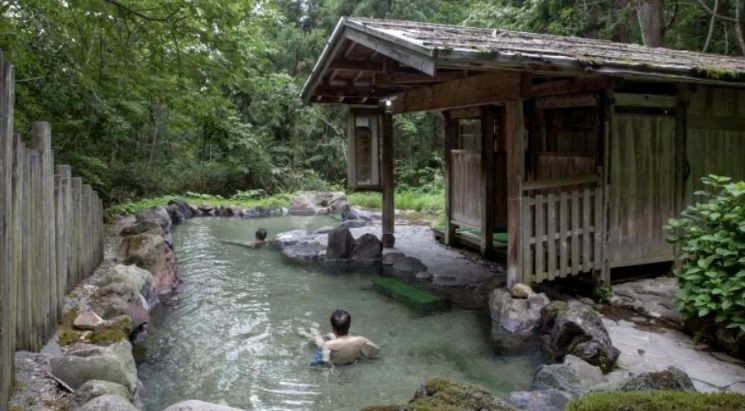
The rapid increase in single-person hot spring baths, riding the wave of growing tourist numbers, has also become a cause of water shortages. Hotels and lodging businesses have created small hot spring baths in each room to accommodate Western tourists who are not accustomed to the culture of public baths, worsening the hot spring water shortage.
CNN pointed out, "Western tourists tend to avoid the Japanese custom of everyone bathing naked in public baths and mostly book single-person hot spring baths. While the entrance fee for public baths is only about $3 (around 4,400 KRW), using a single-person hot spring bath in a hotel room costs hundreds of dollars, so Japanese hotels and lodging businesses are creating more small hot spring baths in more rooms."
As the water shortage worsens, major hot spring areas in Japan are increasingly strengthening bathing restrictions. Many hotels and lodging businesses have reportedly been asked by the government to limit hot spring operations during late-night hours. Hot spring operations are completely banned from midnight to 5 a.m., and some hot springs restrict bathing for day-trippers visiting without overnight stays during the winter peak season. Additional hot spring development and the opening of new hot spring lodging businesses are also prohibited by authorities.
The Japanese government has significantly raised the immigration tax and introduced a lodging tax to fundamentally address the overtourism problem. The immigration tax in Japan had been around 1,000 yen (about 9,800 KRW), but the government is currently considering raising it to 5,000 yen. Local governments are also introducing lodging taxes ranging from 3,000 to 5,000 yen for foreigners staying overnight in their regions. While only nine local governments introduced lodging taxes in 2023, the number increased to 14 this year, and currently, 43 local governments are considering implementation.
© The Asia Business Daily(www.asiae.co.kr). All rights reserved.



















